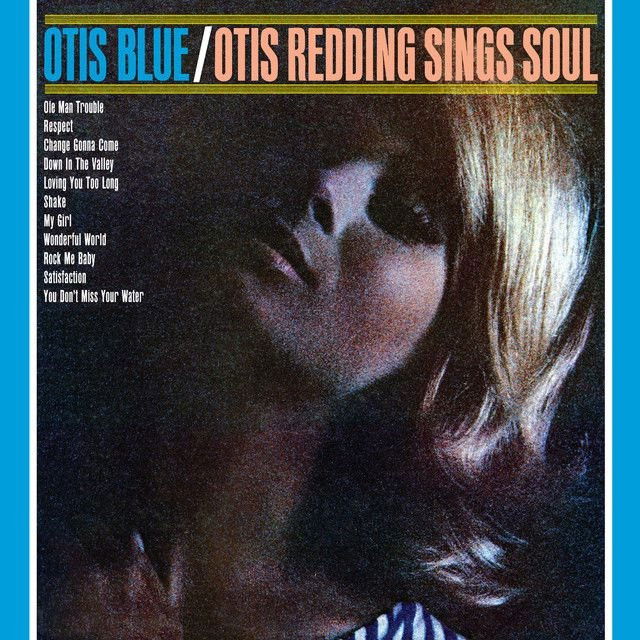
Wonderful World by Otis Redding
Otis Redding built his reputation on emotional honesty. The Georgia-born soul singer, widely remembered as the “King of Soul,” was known for taking simple words and making them feel huge through timing, grit, and warmth, as noted in his career overview at Wikipedia. That gift matters when looking at the meaning of Wonderful World Otis Redding, because this song says something very plain: love can matter more than status, grades, or polished knowledge.
"Wonderful World" - Otis Redding
Don't know much about biology
Don't know much about the science book, now
Loading lyrics...
Unable to load lyrics
We're unable to display the lyrics at this time. Please try again later.
A Love Song About What Really Counts
At its core, the song presents a speaker who admits what they do not know. They list school subjects and formal learning, then contrast that with one certainty: I love you
. That contrast is the engine of the whole track.
The point is not that education has no value. Instead, the lyric sets emotional truth against social pressure. The speaker feels small in one area, but deeply sure in another. In that way, the song turns insecurity into vulnerability, and vulnerability into charm.
Interpretation: the “wonderful world” in the refrain is less about the planet and more about a possible future. If the other person returns that love, life itself would feel brighter, kinder, and more complete.
Watch the official Wonderful World
music video
Why the School References Matter
The repeated mentions of history, biology, geography, and algebra do more than create a catchy pattern. They show a person measuring themselves by classroom standards and coming up short. Even the phrase A-student
carries pressure. It suggests they think love might have to be earned through achievement.
That idea gives the song a quiet sadness beneath its cheerful hook. The speaker is not only flirting. They are worrying that being sincere may not be enough.
Knowledge Versus Wisdom
One of the smartest things in the lyric is how it separates book knowledge from human understanding. The speaker cannot master every subject, but they do understand devotion. When they say one and one is two
, the line sounds playful, yet it also makes a serious point: some truths are basic, direct, and undeniable.
Love, in this song, belongs in that category.
The Chorus Turns Hope Into a Vision
The chorus lifts the song beyond a personal confession. After all the self-doubt in the verses, the hook opens into possibility with wonderful world
. That shift is why the song has lasted for decades.
It moves from “here is what I lack” to “here is what could be.” The emotional direction is upward. Instead of staying trapped in embarrassment, the speaker imagines love changing their whole sense of reality.
All I do know is I love you
And I wonder if you love me too
Those two lines are the heart of the song’s message. They reduce everything to a simple emotional test: does love return or not? The dream of a better world depends on that answer.
Otis Redding’s Style Gives It Extra Weight
The song was written by Herb Alpert, Lou Adler, and Sam Cooke, and Cooke recorded the best-known early version. That history matters because Redding had deep artistic ties to Cooke’s influence; biographical accounts note Cooke as one of Redding’s key inspirations. So when Redding sings this material, they are not just covering a pop standard. They are stepping into a tradition of soul that values plain language and direct feeling.
Redding often favored concise lyrics and believed in simplicity. In a brief quoted statement preserved in biographical sources, he said there was “beauty in simplicity.” That belief fits this song perfectly. The words are easy to follow, but the feeling is layered.
How the Sound Supports the Meaning
Even without complex poetry, the performance can carry emotional depth. In songs across his catalog, Redding used a raw, open-throated delivery shaped by gospel and Southern soul, often supported by strong rhythm and warm horn colors associated with the Stax sound and collaborators like Booker T. & the M.G.’s, discussed in his biography. That musical language helps explain why a lyric like this can feel bigger than it looks on paper.
In a song like “Wonderful World,” that kind of delivery would make the speaker sound eager, slightly exposed, and fully invested. The groove keeps things light, while the vocal phrasing reveals the need underneath. That balance between sweetness and longing is central to the song’s effect.
A Speaker Who Wants Love, Not Perfection
Another key part of the meaning of Wonderful World Otis Redding is its humility. The speaker never pretends to be impressive. They admit limits again and again. But that honesty becomes attractive.
There is also a social angle here. Popular music often celebrates coolness, confidence, or conquest. This song does almost the opposite. Its speaker says, in essence, “I may not shine in the usual ways, but my feelings are real.” That makes the song feel gentle rather than boastful.
Two Strong Readings
- Straight romantic reading: this is a simple plea for mutual love.
- Broader emotional reading: it is about self-worth, and whether a person can be valued even when they do not meet outside standards.
Both readings work because the lyric keeps the language open and universal.
Why the Song Still Connects
Listeners still respond because the fear in the song is timeless. Many people know what it feels like to be unsure of their credentials, intelligence, or polish while hoping they can still be loved. The song meets that feeling without becoming bitter.
Its optimism is the real hook. The world is not wonderful yet; it could be. That small phrase keeps hope alive without denying insecurity. It is romantic, but it is also human.
Final Take on Its Lasting Message
In the end, the meaning of Wonderful World Otis Redding comes down to a modest but powerful idea: love can make a person feel that life is larger than their failures. The song does not reject learning, but it insists that emotional truth matters too.
That is why it remains so memorable. It takes ordinary insecurity and transforms it into tenderness, hope, and soul.
Disclaimer: This interpretation is based on the released lyric, known songwriter credits, and Otis Redding’s artistic context. Meaning in music can stay open, and different listeners may hear the song differently.









