What “Superman’s Dead” Really Means
The meaning of Superman's Dead Our Lady Peace starts with a simple fear: what happens when people, especially kids, grow up in a world that tells them they are never enough?
"Superman's Dead" - Our Lady Peace
How long 'til you break
You're happy 'cause you smile
Loading lyrics...
Unable to load lyrics
We're unable to display the lyrics at this time. Please try again later.
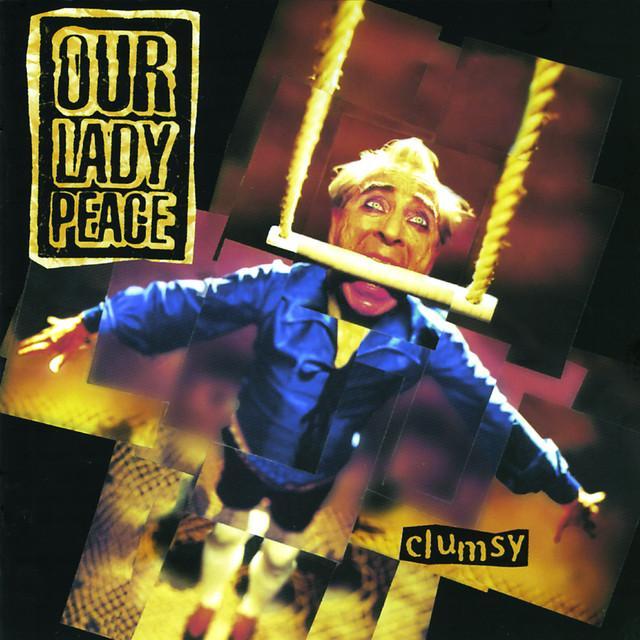
Released in 1997 as a single from Clumsy, the song became one of Our Lady Peace’s defining tracks. It was written by Raine Maida and Mike Turner, produced by Arnold Lanni, and stood out for its tense guitars and Maida’s unmistakable falsetto-driven delivery. It also performed well on both Canadian and U.S. rock charts, showing how strongly its message connected beyond Canada.
A Song About Pressure, Not a Superhero
At its core, the song is not literally about Superman. It uses that image to show the loss of an older idea of heroism and innocence. In interviews summarized by reference sources, Maida described the track as a dark comment on how much television kids watch and how media tells them what to wear, how to think, and who to be.
That helps explain why the verses focus on anxiety and performance. The song asks whether someone is truly happy or just pretending. When it points to not liked
and how much someone can fake
, it turns insecurity into the song’s emotional center.
Interpretation: Superman represents a clean, dependable role model. Saying Superman’s dead
suggests that this model has been replaced by cynical, image-driven culture.
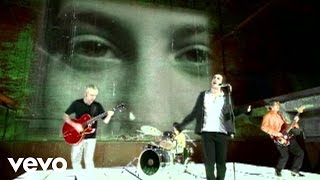
Watch the official Superman's Dead
music video
Why “Ordinary” Feels Like Failure
One of the song’s sharpest ideas is that normal life has become unacceptable. The lyric phrase ordinary’s just not good enough
captures the whole message in a few words.
The song keeps returning to ordinary people: an ordinary boy, an ordinary girl, ordinary bodies, ordinary names. None of that should be a problem. But the song argues that media culture turns ordinary into a flaw.
That idea lines up with Maida’s comments that young people are surrounded by images and cliques that push them to fit a narrow ideal. Instead of learning who they are, they learn how they are supposed to look.
The Chorus Turns Confusion Into a Slogan
The chorus sounds huge and catchy, but its message is bleak. Repeating is it in my head?
makes the singer sound unsure whether the problem is personal paranoia or a real social sickness.
Then the song shrugs with we’ll just laugh instead
. That is one of its most cutting moments. Rather than face the damage, people distract themselves, joke about it, or move on.
Superman’s dead
is it in my head?
we’ll just laugh instead
This is the song’s emotional loop: loss, doubt, avoidance. It is catchy on purpose, which makes the critique hit harder.
Media, Faith, and the Need to Belong
The second verse widens the target. It moves from appearance to belief, hate, and obedience. The song suggests that people are not only told how to look, but also what to fear and who to reject.
That is why the lyrics jump between weather, faith, love, and hate. The connections seem strange at first, but they all point to outside influence. The character in the song does not seem free. They seem programmed by social pressure.
Interpretation: The song is arguing that modern identity can become assembled from media cues instead of real inner values.
What “The World’s a Subway” Adds
The outro is one of the song’s most memorable sections. When it says the world’s a subway
, it shifts from personal worry to a picture of modern life as crowded, noisy, and always moving.
Maida later connected that image to sensory overload and a culture moving faster all the time. In that reading, the subway is not just urban imagery. It is a metaphor for speed, claustrophobia, and constant stimulation.
That makes the ending feel less like a conclusion and more like being swallowed by the system the song criticizes.
How the Sound Carries the Meaning
The production matters a lot here. Arnold Lanni helped shape the song after hearing Maida working through the original guitar idea, and the finished track became a strong example of the band’s signature sound.
The guitars are heavier than many other Clumsy songs, and they create a nervous push-pull effect. The rhythm section keeps things moving forward, while Maida’s vocals sound strained, high, and restless. Instead of offering comfort, the arrangement feels unsettled.
That is exactly why the song works. Its sound mirrors the pressure in the lyrics. Even the repeated vocalizations feel less like fun and more like overload spilling out.
Why the Song Still Feels Current
Part of the reason the meaning of Superman's Dead Our Lady Peace still resonates is that its warning aged well. In 1997, the concern was television. Today, listeners may hear the same message in social media, algorithms, and nonstop digital comparison.
What once sounded like a critique of TV culture now feels broader: children and adults alike are asked to perform themselves all the time. The song’s complaint that normal life no longer feels enough may be even more relevant now.
That helps explain why “Superman’s Dead” remained a major live song for the band and why it still stands as one of their best-known singles.
The Takeaway Behind the Hook
In the end, “Superman’s Dead” is about the collapse of simple ideals in a media-saturated culture. It shows people who want approval, fear being average, and cope with overload by laughing it off.
Interpretation: The song’s real target is not one TV show or one generation. It is any culture that teaches people to trade authenticity for performance.
That is why the track still lands. It hears modern anxiety early and gives it a title big enough to remember.
Disclaimer: This interpretation blends documented artist comments with close reading of the lyrics and sound. As with any song, listeners may hear meanings beyond those discussed here.








