Hey Ya! by OutKast: A Party Song With Doubts
The meaning of Hey Ya! OutKast is more complicated than its wild energy suggests. On the surface, it is one of the happiest hits of the 2000s. Underneath, it is a sharp, uneasy song about love, denial, and the pressure to stay together even when a relationship is failing.
"Hey Ya!" - OutKast
My baby don't mess around
Because she loves me so
Loading lyrics...
Unable to load lyrics
We're unable to display the lyrics at this time. Please try again later.
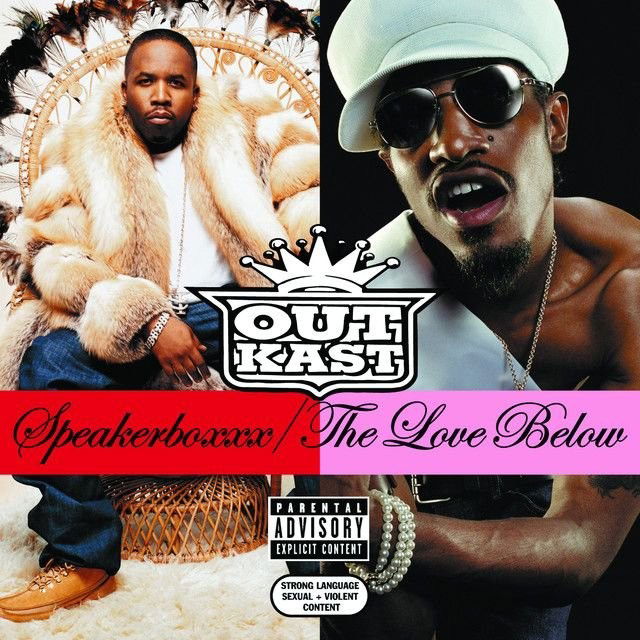
Released in 2003 on Speakerboxxx/The Love Below, the track was written, performed, and produced by André 3000, also known as André Benjamin. It became a massive crossover success, topping the Billboard Hot 100 for nine weeks and later earning Diamond certification in the United States (Wikipedia). That giant popularity matters because the song itself predicts it: people may miss the pain because the groove is too good.
The Big Idea Hidden Inside the Hook
At its core, “Hey Ya!” questions modern romance. The narrator starts with affection, but almost instantly doubt enters. He says he knows love is there, yet he also wonders whether that love is stable or real.
The clearest turning point comes in the middle of the song, when André challenges the usual story people tell about relationships. He pushes against the idea that love should survive simply because tradition says it should. That is why lines like nothing is forever
and not happy here
hit so hard. They strip away the fantasy and ask a blunt question: if relationships can fail, why do people pretend theirs is different when it clearly is not working?
Interpretation: The song is not anti-love. It is anti-denial. It suggests honesty may be healthier than staying together for appearances.

Watch the official Hey Ya!
music video
André 3000’s View of Relationships
Context helps explain the song’s message. André 3000 said the track was about “the state of relationships today,” and he argued that many people stay together out of habit or social expectation rather than happiness (American Songwriter). He also said it was not strictly autobiographical.
That matters because the speaker sounds both personal and observational. They are not hearing a simple breakup song. They are hearing a character think out loud about how romance works in the modern world.
One of the smartest lines is y'all don't want to hear me
. Before and after that phrase, the song makes the same point in plain language: uncomfortable truths are easy to ignore when the beat is exciting. André almost breaks the fourth wall there, telling the crowd that the warning is being drowned out by the party.
How the Verses Build a Story of Doubt
The song moves in clear emotional stages:
- It opens with confidence and attraction.
- It quickly shifts into uncertainty about commitment.
- It zooms out into a wider argument about unhappy couples.
- It ends by giving the crowd the dance release they wanted all along.
That structure is brilliant because the dance section is not separate from the theme. It proves the theme. The audience gets the celebration, while the lyric quietly says the celebration may be covering up the truth.
There is also a smaller, more cynical thread in the verse about not wanting to meet parents and just wanting immediate pleasure. The phrase I'm just being honest
frames that moment as confession rather than romance. It suggests a gap between desire and commitment.
Interpretation: This part may show how some relationships begin with chemistry but lack the deeper trust needed to last.
When the Music Says “Fun” but the Words Say “Run”
A huge part of the meaning of Hey Ya! OutKast comes from its sound. André built the song with a pop-rock and funk mix rather than a standard rap arrangement. Research notes that he drew inspiration from punk and new wave acts, used acoustic guitar in the writing process, and stacked many vocal takes to get the final effect (Wikipedia).
The result is fast, bright, and restless. The tempo races, the handclaps pop, and the hook lands like a cheer. Even the famous call-and-response—What's cooler than being cool?
answered by Ice cold
—creates community and excitement.
That joy is not accidental. It creates tension with the lyric. If the song sounded gloomy, its message would be obvious. Because it sounds ecstatic, the doubts feel sneakier and more true to life. Many unhappy relationships look fine from the outside. This record sounds fine from the outside too.
Why the Cultural Impact Fits the Message
“Hey Ya!” became one of the defining songs of its era, crossing into pop, alternative, and hip-hop spaces. It was the first iTunes track to reach one million downloads and remains one of OutKast’s signature hits (Wikipedia).
Its famous video also adds meaning. Directed by Bryan Barber, it turns André into every member of a fictional band in a Beatles-like TV performance setup (Wikipedia). That retro image matches the song’s theme: old-fashioned pop presentation on the outside, modern relationship confusion underneath.
Even the playful line about shaking “like a Polaroid picture” helped make the song feel universal and fun. But that catchy image sits beside a much more nervous emotional core.
The Best Way to Read “Hey Ya!”
The best reading is simple: this is a dance classic about how people avoid hard truths in love. It is catchy on purpose, but the catchiness is part of the argument.
Interpretation: The song says romance often survives on routine, fantasy, and performance. Real honesty is harder than singing along.
That is why “Hey Ya!” still lasts. It gives listeners both things at once: a reason to move and a reason to think.
Disclaimer: Song meaning is always part fact, part interpretation. The analysis above combines documented artist context with close reading of the lyrics and sound.









