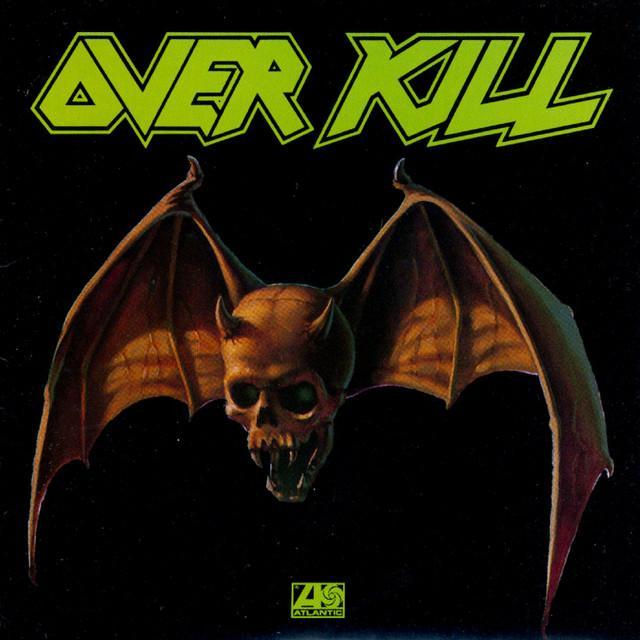
Blood Money by Overkill: Meaning and Breakdown
The meaning of Blood Money Overkill comes through fast: this is a song about corruption, moral compromise, and the ugly price of false security. They frame the speaker as someone staring down a crooked system—and the people who keep feeding it.
"Blood Money" - Overkill
Who's your Jesus man?
Where you go when it's over and done even if you can't?
Loading lyrics...
Unable to load lyrics
We're unable to display the lyrics at this time. Please try again later.
Rather than telling a neat story, the song works like a confrontation. It asks who people trust, who they follow, and what they are willing to trade away. By the end, the message feels clear: profit without conscience becomes spiritual damage.
Where the Song Points Its Anger
At its core, “Blood Money” sounds aimed at exploitation. The title itself carries a long history; in common usage, “blood money” can mean money tied to violence, guilt, or another person’s suffering, as summarized by Wikipedia’s overview of the term. That broader meaning fits the song’s moral tone.
The opening questions challenge blind faith and dependence. When the lyric asks who they pray to and who their “savior” is, it suggests a world where people hand over judgment to authority figures, institutions, or dealmakers. The song does not just mock belief. It asks what happens when trust is misplaced.
A short phrase like self righteous pity
helps show that point. They suggest that wounded pride can make people cling to excuses instead of facing the truth. In other words, the target is not only corrupt leaders. It is also the weakness that lets corruption thrive.
Watch the official Blood Money
music video
A Voice That Sounds Like an Accuser
The song’s speaker mostly addresses a “you,” which gives the track a prosecuting tone. They do not sound distant or reflective. They sound furious, like someone naming the scam while it happens.
That matters to the meaning of Blood Money Overkill because the song is less about abstract politics than direct moral confrontation. Phrases such as misery loves company
and assorted lies
paint a social world where manipulation spreads by pressure, fear, and repetition.
The conflict in simple steps
The lyric moves through a few clear beats:
- It questions where people place faith.
- It shows how bruised ego and insecurity make them vulnerable.
- It introduces a deal or bargain that costs integrity.
- It ends in judgment and collection, as if the debt has come due.
That final turn is key. When the song reaches Payment due
, the metaphor hardens. This is no longer just a bad idea. It is a bill that must be paid.
The Chorus Turns Corruption Into a Debt
The hook is brutal because it strips away excuses. The repeated cry of Blood money
works like a verdict. It says the gain itself is tainted.
Then the accusation of liar
makes the song even sharper. The problem is not only greed. It is dishonesty—selling a false promise, acting righteous while profiting from harm, or pretending a person is safe when they are actually trapped.
Interpretation: the chorus may be aimed at institutions that recruit, exploit, or seduce people with easy answers. It could also target one manipulative person. The lyrics support both readings because they mix public language—faith, savior, company—with intimate accusation.
Images of Vision, Deals, and Control
One of the song’s strongest ideas is that exploitation changes how people see. The line about life being sucked out through the eyes suggests emptiness, numbness, or spiritual draining. The “eyes” are described as windows, which implies perception itself is under attack.
That image connects to the deal-making language later on. Someone is invited to sit down, take the offer, and hand over integrity. The transaction sounds almost casual, which makes it more disturbing. Evil here is not dramatic at first. It is presented like ordinary business.
Execution therapy,Put that in your bank.
This short section captures the song’s dark irony. Violence and finance are pushed together, as if punishment has become a market exchange. The point is not literal banking details. It is that cruelty and profit now speak the same language.
How the Sound Carries the Meaning
Overkill are known as a New Jersey heavy metal/thrash metal band with a hard-edged, aggressive style, as outlined in the band’s Wikipedia entry. That context matters because “Blood Money” depends as much on force as on words.
The riff attack feels mechanical and relentless, which suits a song about systems that grind people down. The drums push forward without much comfort, and the vocal delivery sounds like a barked warning rather than a confession. They do not invite sympathy first. They demand attention.
Interpretation: this production choice makes the song feel like a public exposure. The tight, churning instrumentation mirrors the trap described in the lyrics. Listeners do not just hear anger; they feel pressure.
Two Strong Ways to Read the Song
There are at least two persuasive readings of “Blood Money.”
Reading one: a protest against corrupt systems
In this view, the song attacks institutions that sell salvation, security, or belonging while taking something human in return. The references to prayer, saviors, and contracts support that reading.
Reading two: a portrait of personal collapse
The song can also be heard as a warning about insecurity. The repeated pressure on ego, pity, and need suggests that inner weakness opens the door to exploitation. Here, “blood money” becomes the price of abandoning self-respect.
Both readings can coexist. That is part of why the song lasts.
Why the Song Still Hits
The meaning of Blood Money Overkill stays powerful because it connects money, power, and morality without sounding academic. They turn those ideas into threat, accusation, and consequence.
In simple terms, the song says that bad deals do not stay on paper. They stain the people who make them and the people who accept them. That is what gives “Blood Money” its bite.
Disclaimer: This interpretation is based on the lyrics, title, and known artist context. As with most songs, listeners may reasonably hear different meanings in it.








