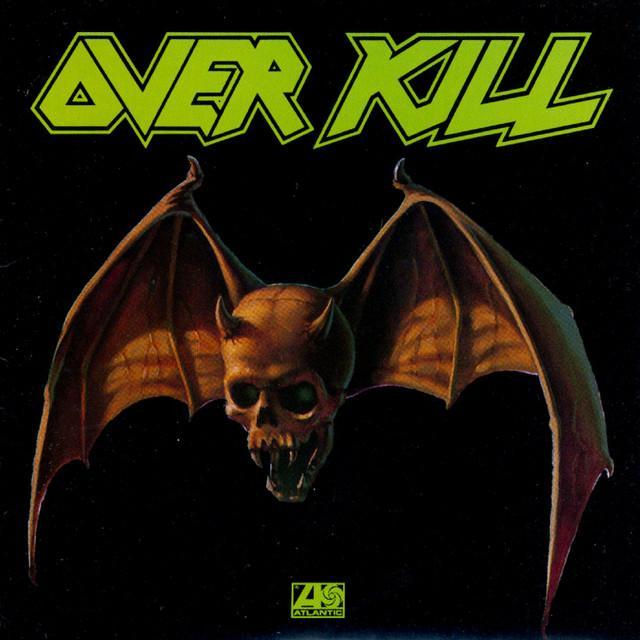
Coma by Overkill
The meaning of Coma Overkill centers on a mind in collapse. The song sounds like a nightmare, but it also reads like a portrait of identity slipping away under stress, fear, or trauma. Rather than tell a neat story, Overkill build a disturbed inner world where the speaker feels trapped between sleep and waking, memory and delusion, silence and a cry for help.
"Coma" - Overkill
Rumble in my dreams!
Innocence been long gone!
Loading lyrics...
Unable to load lyrics
We're unable to display the lyrics at this time. Please try again later.
A Thrash Song About Losing the Self
On the surface, the title suggests a medical crisis. But the lyrics point to something wider. The speaker feels hunted by instability from the first image, sleeping with a time bomb
. That phrase suggests a life lived in dread, as if disaster is already inside them.
Soon, the song links that dread to damaged innocence and repetition. The speaker feels they have seen this place before, yet nothing is stable. Interpretation: this makes the coma feel symbolic, like a state of numbness or dissociation where life keeps happening but the person cannot fully connect to it.
That reading fits Overkill's darker turn on Horrorscope (1991), an album often noted as heavier and more psychologically intense in the band's catalog. Factually, Overkill are a New Jersey thrash metal band formed in 1980, and Horrorscope became one of their defining releases while tracks including "Coma" drew attention through radio and related exposure, according to available band history sources.
Watch the official Coma
music video
The Voice Inside the Fog
The song is written in first person, but the article can still say they present a deeply personal voice. This voice is not speaking calmly. They are panicked, confused, and trying to test reality. The repeated calls to Cry out!
and Reach out!
sound like demands for proof that the world is still there.
That is what gives the chorus its weight. When the song says a coma steals my name
, it turns the condition into theft. The real horror is not sleep itself. It is erasure.
Why “name” matters so much
A name stands for identity, memory, and agency. If the coma takes that away, the speaker is no longer just unconscious. They are becoming unrecognizable even to themselves.
Interpretation: this could describe:
- a literal loss of consciousness
- a mental break
- trauma-induced detachment
- addiction or depression that makes a person feel absent from their own life
The lyrics support all four possibilities without locking into only one.
How the Images Build the Song's Story
The verses move like scenes from a nightmare. Early on, windows and doors suggest movement through familiar spaces, but they do not offer safety. The speaker knows the rules and has played the game, which hints at exhaustion. They have been through this cycle before.
Then the song shifts to waking after an explosion, where nothing seemed so real
. That line flips normal logic. It captures the deadened feeling that follows shock, when even huge events feel unreal.
Later, the speaker describes reaching for someone and finding no one there. Fear itself becomes faceless. The world is blocked off, and the self is boxed in. This is where the song's imagery of doors and windows matters most: they are not just objects, but symbols of access, escape, and perception.
By the final section, the energy changes. Instead of only drifting or fearing, the speaker starts breaking through barriers. The song moves from passive terror to violent resistance.
busting through the windows
kickin' down the doors
Those lines are brief, but they matter. They suggest a final act of self-assertion. The closing idea, paraphrased as emerging from the depths and coming alive, points toward survival rather than surrender.
The Sound of Panic and Rebirth
The meaning of Coma Overkill is not carried by lyrics alone. It is also in the music. Horrorscope is widely recognized as a darker, heavier record in Overkill's discography, and that matters here. The guitars hit with force, the rhythm section drives relentlessly, and Bobby "Blitz" Ellsworth's vocal delivery sounds strained and urgent rather than detached.
That production style fits the song's mental state. Thrash metal often creates momentum through speed, but "Coma" uses that speed like pressure. The riffs do not feel freeing at first; they feel enclosing. When the arrangement opens up, it sounds less like peace than a desperate push through the wall.
This was also an important moment for the band. After guitarist Bobby Gustafson left, Overkill expanded to a two-guitar lineup, a move the band explained as a way to refresh the sound and avoid simple replacement logic. On Horrorscope, that thicker guitar attack helps songs like "Coma" feel massive and unstable at once.
Two Strong Ways to Read It
Interpretation 1: A literal medical nightmare
The title, sleep imagery, and repeated wake/sleep contrasts can support a literal reading. In this version, the speaker is caught in a borderland between life and death, aware enough to feel terror but powerless to respond.
Interpretation 2: A metaphor for psychological shutdown
This is the richer reading for many listeners. The song's focus on illusion, lost innocence, nameless fear, and stolen identity suggests a breakdown of the self. The coma becomes a symbol for being emotionally unreachable, even while technically alive.
Both readings can be true at once. That overlap is part of what makes the song memorable.
Why the Song Still Hits
Overkill have lasted for decades because they can pair thrash aggression with emotional clarity. "Coma" stands out because its fear feels human, not abstract. It is about what happens when the mind can no longer trust what it sees, feels, or remembers.
In the end, the song does not simply describe being trapped. It stages a fight to return. That is the core meaning of Coma Overkill: a battle against erasure, where terror and awakening happen at the same time.
Disclaimer: This interpretation is based on the lyrics, the song's sonic choices, and known context around Overkill's career. As with most songs, meanings can vary by listener unless the writers state otherwise.








