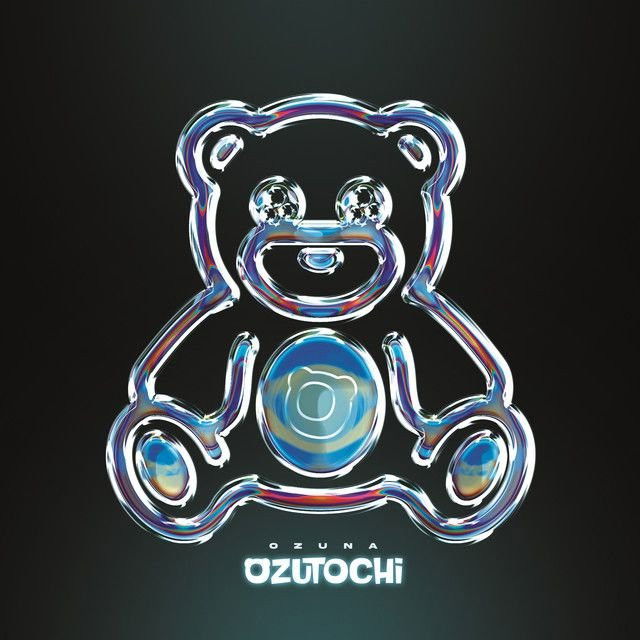
The Meaning of ‘Hey Mor’ by Ozuna & Feid
They’ve been up all night, the sun is creeping in, and the beat still won’t shut off in their head. That’s the tension driving Hey Mor: a club confession where bravado cracks into craving. If you’re searching for the meaning of Hey Mor Ozuna, Feid, the heart of it is simple: someone left, and nothing—no party, no new fling—can erase their imprint.
"Hey Mor" - Ozuna, Feid
Son las 6 A.M. y quiero dormirme ya
Pero no he podido desde que te fuiste
Loading lyrics...
Unable to load lyrics
We're unable to display the lyrics at this time. Please try again later.
Late-Night Regret in Neon Colors
The song paints a picture of sleeplessness and obsession. The narrator can’t stop thinking of a past lover—he asks, ¿cómo te saco de aquí?
, then admits the club only magnifies the memory. It’s not just missing someone; it’s being haunted by them.
They try to replace the feeling but fail. The blunt comparison—Con otra, pero no sabe igual
—shows that distraction loses to longing. Desire drives the story, but regret gives it weight.

Watch the official Hey Mor
music video
Who’s Talking, and To Whom?
This is a first-person voice, pleading and swaggering at once. He owns his mistakes (“mala mía”), flirts, and brags, yet keeps returning to the same plea. Ozuna’s silvery melody leans into heartbreak; Feid’s laid-back grit sharpens the edge. Together, they deliver a confessional that feels overheard at dawn.
What Actually Happens: A Night-Into-Morning Arc
- Dawn insomnia: He’s still awake—
Son las 6 A.M.
—and the silence makes the ache louder. - The club attempt: He goes out to forget but only fixates more.
- Flashback montage: Gym sightings, motorbikes with friends, Condado and the beach—memories play like quick cuts.
- The truth slips: He wants the past back—
lo quiero repetir
—not just replace it.
By structuring the story as a loop (nightlife → memory → confession), the song mirrors the cycle of moving on and snapping back.
The Hook That Hurts
The chorus is both chant and confession. It reframes the verses by admitting that even in a crowd, he’s alone with one thought. Interpretation: it’s a club mantra about how memory outlasts the party. The more he sings it, the more he convinces himself—and fails.
Symbols That Do the Heavy Lifting
- Cars:
Uno no cambia un Mercede’ por un Kia
is a status metaphor. Interpretation: you don’t swap the real thing for something lesser; the ex is irreplaceable. - Places:
Condado, vista al mar
and the beach turn the romance into a postcard you can’t throw away. These concrete spots make the loss feel physical. - Time: 6 a.m. is the honesty hour. The club is over, the buzz is fading, and emotions are sharp.
- Movement: Motorbikes and heading out with the crew show denial in motion—he keeps moving to avoid sitting with the feeling.
How the Sound Sells the Story
Hey Mor rides a sleek reggaeton dembow with glossy synths and a plush low end. The tempo is club-ready, but the melodies are melancholic, letting Ozuna float and Feid rasp. The contrast between sugary hooks and minimal, percussive verses mirrors the inner split: smooth on the surface, raw underneath.
Production details emphasize space—air between the kicks and claps—so the vocals sit close to the ear, like a 5 a.m. whisper. Auto-tuned inflections warm the topline, while tightly gated drums keep the track moving. It’s designed for the dance floor and the drive home after.
What the Collab Adds
Ozuna often leans romantic even in party records; Feid brings a streetwise, conversational tone. Their blend makes the plea feel both sweet and unfiltered. When they trade lines, the song becomes a dialogue with memory—two angles on the same obsession.
Alternate Ways to Hear It
- Interpretation: It’s not only about an ex; it’s about chasing the high of a perfect night—trying to relive a moment that can’t be recreated.
- Interpretation: The flexing is armor. The explicit lines and swagger protect a softer center that the chorus keeps exposing.
Takeaway
Hey Mor is a post-club confession about the one who sticks after the lights come up. It sounds like a party, but it’s built for the moment after the party, when truth gets loud.
Disclaimer: Song meanings are interpretive and can vary by listener.








