Why 'Bark at the Moon' Still Feels Dangerous
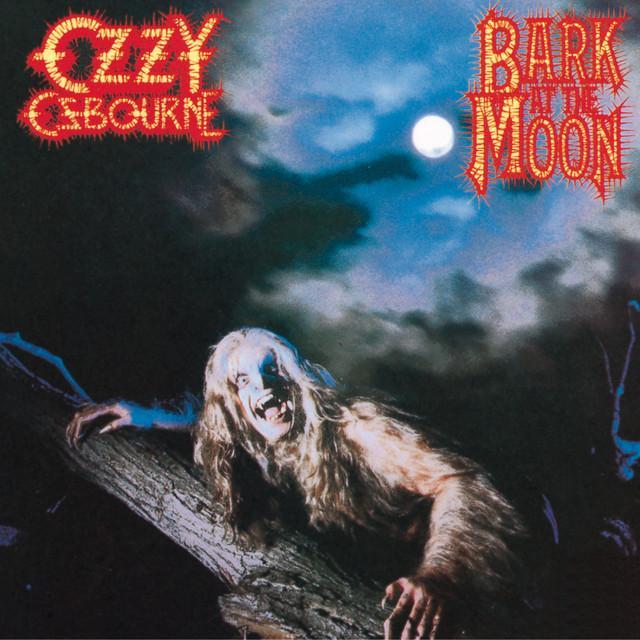
The meaning of Bark at the Moon Ozzy Osbourne starts with a monster story, but it does not end there. On the surface, the 1983 single is a piece of gothic heavy metal: a buried creature rises, hunts at night, and announces itself with a wild cry. Under that surface, many listeners hear something bigger—revenge, return, and the thrill of refusing to stay buried.
"Bark at the Moon" - Ozzy Osbourne
Waking from the dead of night
Vengeance is boiling
Loading lyrics...
Unable to load lyrics
We're unable to display the lyrics at this time. Please try again later.
Released as the lead single from Bark at the Moon in 1983, the song helped relaunch Ozzy Osbourne’s solo career during a difficult period. It reached No. 21 in the UK and No. 12 on Billboard’s Mainstream Rock chart, according to widely cited chart summaries and reference sources. It was produced by Max Norman and became one of the signature songs of Ozzy’s solo catalog.
A Monster Tale With a Human Pulse
At the story level, the song is clear. A feared figure has been cursed, buried, and written off. Then that figure returns. The opening images of screams break the silence
and waking from the dead of night
place the listener in a horror setting right away.
The verses build a classic revenge narrative. The creature was hidden in a nameless grave
, but death did not hold it. That matters because the song’s villain is also its engine. The listener is not asked to sympathize fully, but they are asked to feel the force of its return.
Interpretation: This is why the song lands harder than a simple werewolf thriller. It turns punishment into power. The buried outsider comes back stronger, and the town that thought it was safe now has to listen.
Watch the official Bark at the Moon
music video
The Chorus Turns Fear Into Myth
The title hook is simple, but it does a lot of work. When the song circles back to bark at the moon
, it shifts from plot to image. Instead of explaining the beast, the chorus lets its sound define it.
That choice makes the song feel like folklore. The creature becomes less like one person and more like a legend told in whispers. The moon is not just scenery. It represents instinct, darkness, madness, and transformation.
Years spent in torment
Now he has risen
Those two short lines capture the song’s arc: suffering first, return second. The rest of the lyric fills in the threat around that movement.
A Comeback Song in Disguise
Context matters when discussing the meaning of Bark at the Moon Ozzy Osbourne. The single arrived after a major turning point in Ozzy’s career. It was the first studio album released after the death of guitarist Randy Rhoads, and guitarist Jake E. Lee stepped into a very difficult role. That gave the song an extra layer of pressure and meaning for fans.
Ozzy later said in The Ozzman Cometh notes that he had the vocal line and Jake E. Lee came up with the riff, calling it the first song they wrote together. Reporting over the years has also highlighted Bob Daisley’s role in the writing, even though the original official credit listed Ozzy alone.
Interpretation: Because of that history, some listeners hear the song not only as fiction but as a statement: Ozzy is still here. The lyrics about burial, shame, and proving doubters wrong fit that reading surprisingly well. The monster can stand in for an artist rebuilding after loss, chaos, and public doubt.
Horror Images, Heavy Metal Meaning
Ozzy had long drawn from horror cinema and dark fantasy, and this song is one of the clearest examples. The lyric’s world is full of graves, curses, shadows, beasts, and hellish rebirth. Phrases like living in a lunar spell
suggest a creature controlled by forces bigger than reason.
Still, the imagery is not random. Several motifs repeat:
- Night suggests hidden truth and fear.
- Burial suggests rejection or attempted erasure.
- The moon suggests transformation and instinct.
- Howling or barking suggests a voice that cannot be civilized.
That final point is key. The creature does not return to make a careful argument. It returns to make noise. In heavy metal, that kind of raw expression often stands for freedom as much as danger.
How the Sound Sells the Story
The music is a huge part of why the song feels so vivid. Jake E. Lee’s opening riff is bright, sharp, and aggressive, giving the track motion before the story even unfolds. Max Norman’s production keeps the guitars large and clean enough for every dramatic turn to land.
The arrangement also helps the lyric feel cinematic. Fast drumming, tension-building chord changes, and Don Airey’s keyboard touches add a haunted atmosphere around the riff. Ozzy’s vocal delivery pushes the song further into theater: they do not sing this story like a private confession; they perform it like a warning from a dark stage.
That is also why the famous music video fits so well. Ozzy’s first major solo video used a mad-scientist transformation plot inspired by Dr. Jekyll and Mr. Hyde, reinforcing the song’s themes of mutation, fear, and unleashed identity.
Why the Song Endures
Part of the song’s staying power is its balance. It is catchy enough to work as a rock anthem, but strange enough to keep its mystery. It gives listeners a horror narrative they can enjoy literally, while also leaving room for symbolic meaning.
Interpretation: The best reading may be both at once. Bark at the Moon is a werewolf tale, a revenge fantasy, and a comeback statement. Its monster is scary, but also energizing. They are what happens when shame fails, when burial fails, and when the voice people tried to silence comes back louder.
That is why the song still feels alive. It does not just describe a beast. It celebrates the return of something wild.
Disclaimer: Song meaning is interpretive. Some points above are factual context, while the deeper symbolism reflects informed reading rather than a single confirmed explanation from the artist.







