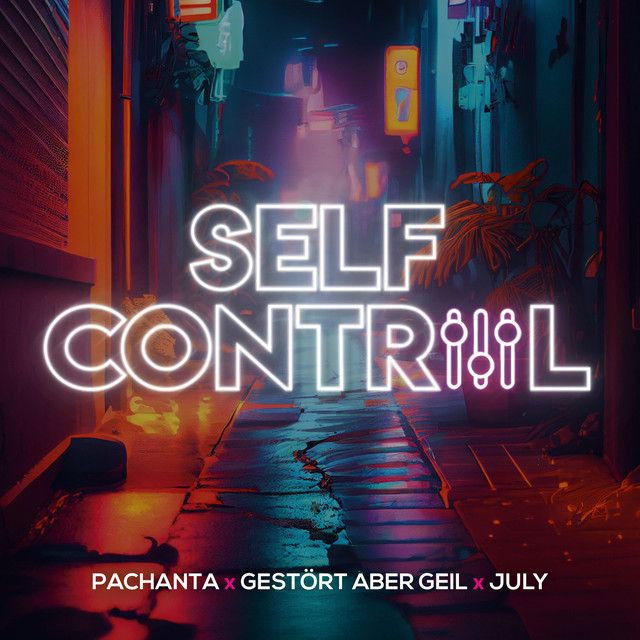
Self Control by Pachanta, Gestört aber GeiL, July
They know the hook by heart, but the question remains: why does this version still hit so hard? The meaning of Self Control Pachanta, Gestört aber GeiL, July lives in a familiar struggle—giving in after dark, even when daylight will ask for answers.
"Self Control" - Pachanta, Gestört aber GeiL, July
Through the wall something's breaking
Wearing white as you're walkin'
Loading lyrics...
Unable to load lyrics
We're unable to display the lyrics at this time. Please try again later.
Nightfall As Magnet, Not Backdrop
This cover leans into the original’s central tension: desire grows louder when the sun goes down. Lines about creatures of the night
frame the setting as a parallel world where usual limits fade. In that world, the narrator doesn’t win; they float with the current.
Interpretation: Night is more than time; it’s a mood that removes brakes. By centering nightlife and impulse, the song sets up a chase between who they are and who they become after dusk.
Who’s Talking—and Who’s Pulling the Strings
The story is first-person confession. The singer spots an almost mythic figure—wearing white
—walking the street of my soul
. That image makes the “you” feel internal as much as external, like a temptation that already lives inside them.
Interpretation: The person in white could be an actual lover or the seductive image of the night itself. Either way, the boundary between self and other blurs, which makes resistance even harder.
The Chorus Is a Surrender, Not a Plea
The repeated line you take my self control
isn’t a complaint; it’s a statement of fact. Coupled with livin' only for the night
, the hook admits the rush is worth the risk, at least for now. The refrain acts like a mantra the narrator believes more with every pass.
Interpretation: Repetition is the point. Each return to the chorus sounds like slipping deeper into the same loop—want, give in, promise to stop, repeat.
Symbols That Do Heavy Lifting
- Night: A permissive space where impulses rule.
- White clothing: Purity turned dangerous—innocence used as lure.
- Morning: Consequences and the sober mind.
- The line
tomorrow never comes
: A coping trick. If tomorrow never arrives, there’s no reckoning. That denial protects the thrill for one more hour.
These symbols keep the lyric simple but layered, letting a dance track carry complex feelings without dense storytelling.
How This Cover Updates the Ache
Gestört aber GeiL, a German DJ duo known for melodic dance-pop, give the track a polished, club-forward feel. Pachanta’s pop sensibility keeps the melody bright and familiar, while July’s vocal rides the beat with controlled urgency. Together, they shape a version that feels current but faithful.
You hear a steady four-on-the-floor kick, a warm, sidechained bass, and shimmering synth pads. The verses pull back to make room for the story; the drops bloom to embody the loss of restraint. Subtle reverbs and delay trails stretch words just enough to hint at the endless night the narrator wants.
Tempo and Texture Mirror the Story
- Build-and-release structure mimics temptation and surrender.
- Bright top-line synths suggest the lure; darker low-end suggests the cost.
- Vocal stacking in the hook makes the confession feel communal, like many voices share the same weakness.
What the Narrative Looks Like in Motion
- The sighting: The figure appears (
wearing white
) and steps inside the narrator’s psyche. - The give-in: The chorus admits control is gone.
- The rationalization: If
tomorrow never comes
, then tonight is safe. - The loop: The beat resets; the chase begins again.
Each cycle is quick, like club lights flickering from verse to drop. That pacing is the emotional architecture of the song.
Alternate Readings That Fit
Interpretation 1: A toxic but magnetic relationship. The “you” is a person who triggers risky choices, and the singer can’t break the pattern.
Interpretation 2: Addiction—a substance or habit personified. The language of control, the nocturnal setting, and the denial of tomorrow track with compulsion.
Interpretation 3: The night as a character. The city itself, with its promises and shadows, “takes” control the moment the beat starts.
All three share one core: willpower fades where desire feels like survival.
Why It Resonates Now
In a post-’80s revival era, listeners crave songs that pair nostalgia with modern sound. This cover taps the Italo-disco DNA but frames it with present-day house textures, giving both longtime fans and new listeners a point of entry. Most of all, its theme is timeless: the best nights often come with a price they won’t think about until morning.
Takeaway
They aren’t judging; they’re confessing. This Self Control asks a familiar question—how far will they let the night drive?—and answers it with a beat that knows exactly how it ends.
Disclaimer: Song meanings are interpretive and subjective; details above reflect one informed reading of the lyrics and production.








