Why 'The Dublin Minstrel' Feels Like a City Mourning
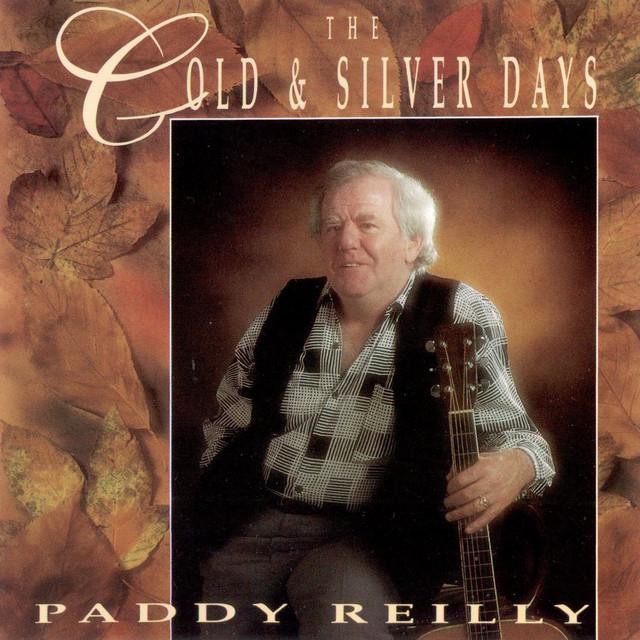
The meaning of The Dublin Minstrel Paddy Reilly begins with grief, but it does not stay there. The song is a tribute to Luke Kelly, the famed Dublin singer of The Dubliners, and it treats his death as more than a private loss. In these verses, Dublin itself seems to react.
"The Dublin Minstrel" - Paddy Reilly
Came great musicians and balladeers
There was a special one, a red-haired minstrel boy
Loading lyrics...
Unable to load lyrics
We're unable to display the lyrics at this time. Please try again later.
Rather than telling one dramatic story, the song builds a public memorial. It moves through streets, bars, canals, and bridges to show how one voice became part of a city's identity. That is why the song lands so strongly: it remembers a man, but it also remembers the world around him.
A Ballad for Luke Kelly, Not Just a Biography
Factually, the lyric makes its subject plain by naming Luke directly. The song was written by Declan James O'Donoghue, as provided in the song context, and performed by Paddy Reilly, an Irish folk singer long associated with Dublin ballad traditions. Luke Kelly himself was a central member of The Dubliners, a group widely recognized as key figures in Irish folk music history.
The song does not try to summarize Kelly's whole career. Instead, it presents him as a living part of Dublin life: someone heard in pubs, remembered on familiar roads, and mourned in working-class neighborhoods. The phrase favourite son
captures that feeling. It suggests not celebrity distance, but civic closeness.
Interpretation: the song's deepest idea is that Luke Kelly belonged to the people as much as to the stage. His artistry mattered because it felt shared.
How the Lyrics Turn a City into a Chorus
One of the smartest things in the writing is the way news travels. The lyric says the loss moved through markets
, quays
, and The Liberties
. That matters because these are not grand, abstract symbols. They are lived-in places.
By naming them, the song makes mourning feel communal. This is not framed as one fan crying alone at home. It is the sound of a neighborhood passing word from person to person. The repeated idea that he’ll sing no more
works almost like a tolling bell.
That repetition also gives the song a traditional ballad shape. Each return to the chorus deepens the emotion. The listener is reminded that grief is not a single moment. It comes in waves.
Dublin as Memory Map
The song's locations do more than set the scene. They create a map of remembrance.
The old canal and Raglan Road point toward a personal walk through memory. The Liffey and the Ha'penny Bridge widen that memory back out into the city. In other words, the lyrics move between intimate and public grief.
Why these landmarks matter
- The markets and quays suggest daily life.
- The Liberties brings in working-class Dublin identity.
- The canal and Raglan Road feel reflective and personal.
- The Liffey and Ha'penny Bridge make the tribute feel timeless.
Interpretation: this pattern implies that Luke Kelly's legacy lives at every scale. He is remembered in private thought, local history, and citywide culture.
The Portrait of the Man Behind the Legend
The lyrics also sketch Luke Kelly's personality with small, warm details. They say he loved laughter, singing, and a jar
, meaning a drink. That line matters because it humanizes him.
The song is not building a marble statue. It is honoring a real person whose presence filled bars and conversations. This is important in Irish folk tribute songs, where character often matters as much as fame.
There is also a note of unfinished possibility in the idea that he had so much left to give
. That line turns the song from remembrance into lament. It is not only sad that he died. It is sad because his voice still felt necessary.
What the Refrain Really Means
The chorus circles one central claim: there will not be another like him. That can sound like standard tribute language, but here it works because the verses earn it.
They show Luke as woven into the city's social life, not simply admired for technical skill. So when the song insists that Dublin will never see his like again, it means more than "great singer." It means a rare kind of cultural presence.
The minstrel boy is gone
We’ll never see your like again
Those lines summarize the whole piece. One states the loss. The other states the scale of it.
How the Sound Likely Carries the Meaning
Even without full production credits, the song clearly belongs to the Irish ballad tradition associated with Paddy Reilly's style. That usually means steady pacing, clear storytelling, and instrumentation that supports the words rather than competing with them.
Listeners can expect the emotional weight to come from vocal phrasing, melody, and a measured arrangement, likely built around folk instruments such as guitar or accompaniment common to Dublin ballads. That matters because a flashy production would weaken the tribute. A respectful, grounded setting lets the geography and grief do the work.
Interpretation: the likely musical approach mirrors the lyric's purpose. It invites listeners to remember, not just react.
Why the Song Still Connects
For U.S. listeners, the song still works even if every Dublin place-name is not familiar. Its emotional structure is universal: a city loses an artist, and ordinary places become memorials.
That is the lasting meaning of The Dublin Minstrel Paddy Reilly. It is about how music outlives the singer, and how a community keeps that singer alive by speaking their name, revisiting their streets, and retelling their story.
In the end, the song presents Luke Kelly as both man and symbol: a performer whose voice became part of Dublin's own voice.
Disclaimer: This interpretation is based on the lyrics provided and widely understood cultural context around Paddy Reilly and Luke Kelly. Meaning in songs can remain open to personal reading.







