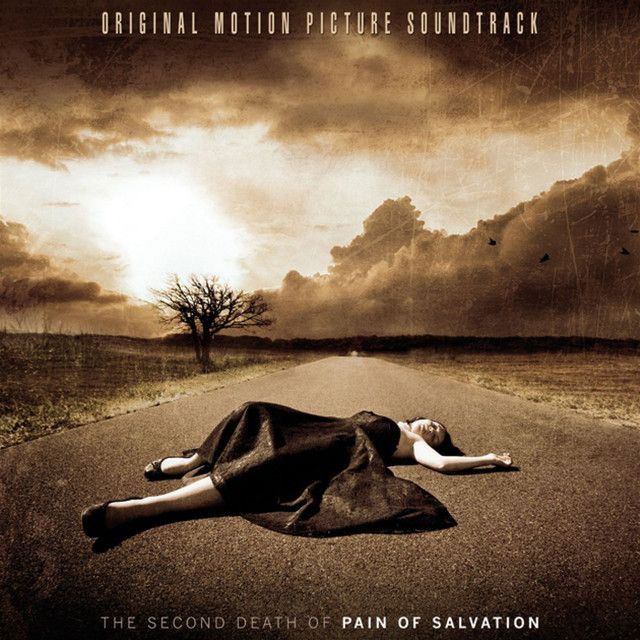
Used by Pain of Salvation
A Dark Portrait of Need and Damage
The meaning of Used Pain of Salvation comes from tension: the song sounds seductive, but its emotional core is ugly, painful, and unstable. Pain of Salvation, the Swedish progressive band led by Daniel Gildenlöw, are known for concept-driven albums and sharp contrasts between heavy and quiet passages, along with themes of sexuality, God, humanity, and suffering. Those traits are central to how this song works.
"Used" - Pain of Salvation
The black drop at the bottom of your cup
You'd better drink or throw me up
Loading lyrics...
Unable to load lyrics
We're unable to display the lyrics at this time. Please try again later.
Factually, Gildenlöw is the band’s main songwriter and lyricist, and The Perfect Element, Part I was released in 2000 as a concept album about formative damage from youth into adulthood. Within fan and critical discussion, the record is often understood as following two broken figures, commonly called “He” and “She.” In that frame, “Used” is often heard as an early psychological sketch of “He.”
Watch the official Used
music video
The Voice in the Song Is Controlling
The song’s speaker does not sound like a healthy lover. They sound invasive, possessive, and almost parasitic. Early images compare the speaker to poison, drink, breath, and a substance taken into the body. When the voice says the black drop
and later pushes the listener to take another sip
, the idea is not romance. It is consumption.
That matters because the song blurs the line between desire and harm. The listener hears seduction, but the language keeps pointing toward contamination, dependency, and power. Interpretation: the song may describe addiction directly, but it can also represent abusive intimacy, where the harmful force presents itself as pleasure.
Pain Becomes Familiar
The chorus idea is the key to the whole piece. The phrase getting used to pain
suggests more than suffering. It suggests adaptation. The person in the song may no longer resist hurt because hurt has become routine.
That is why the lyric about unwept tears
lands so hard. Instead of open grief, the song presents blocked emotion. Then it adds the image of a thick crust of silence
, which implies emotional numbness built over time.
Interpretation: this can be read as trauma logic. Someone who has been hurt repeatedly may bury feeling under silence, shame, or dissociation. The song’s title, “Used,” supports that reading: they are not only exhausted, but treated as an object.
How the Imagery Mixes Lust, Shame, and Violence
One reason this song is so disturbing is that it uses sexual language without offering intimacy. The body becomes a site of control, not connection. Pleasure and danger are fused together.
That fusion is most visible in the song’s most quoted idea:
I am crying unwept tears through this violence
I'll die trying to break this thick crust of silence
These lines shift the song from temptation into confession. Beneath the aggressive imagery, there is buried grief. The violence may be physical, emotional, or symbolic, but the important point is that the speaker is trapped in it.
The later language about blood, veins, and murder strips away any illusion that this is merely erotic drama. It becomes clearer that the song is exploring damage, violation, and emotional contamination.
Where It Fits on the Album
Pain of Salvation’s albums are famously conceptual, and The Perfect Element, Part I is one of their defining records. The album is widely discussed as a story about broken development, lost innocence, sexuality, pain, and inner fracture. In listener readings of the concept, “Used” often introduces the wounded male perspective before the wider story unfolds.
That album context helps explain why the song feels split in two. One layer is outward: arrogant, sexual, taunting. Another is inward: grieving, ashamed, and desperate. A common fan interpretation is that the song shows a hard outer persona covering a frightened inner self. Whether or not one accepts that exact reading, the lyrics clearly stage a conflict between dominance and vulnerability.
The Sound Tells the Same Story
The music deepens the meaning of “Used” by refusing one stable mood. Pain of Salvation are known for mixing progressive metal weight with theatrical dynamics and calmer passages. In this track, that kind of contrast makes emotional sense.
The quieter moments feel close and seductive, almost like a whisper in the ear. Then the heavier sections hit with force, turning that closeness into threat. The arrangement mirrors the lyric’s psychological motion: lure, surrender, damage, repetition.
Gildenlöw’s vocal style is especially important. He can sound tender one second and vicious the next. That flexibility lets the song feel like both confession and attack, which is exactly why it stays unsettling.
Two Strong Ways to Read “Used”
There is more than one valid reading here:
- Addiction reading: the speaker is a drug, compulsion, or destructive appetite promising relief while causing ruin.
- Trauma-and-abuse reading: the speaker is the voice of internalized harm, replaying cycles of exploitation, shame, and emotional shutdown.
Both readings fit the repeated ideas of ingestion, surrender, and pain becoming normal. They also fit the album’s larger interest in damaged identity and the loss of innocence.
Why the Song Still Hits So Hard
The meaning of Used Pain of Salvation lasts because the song never lets listeners stay comfortable. It presents temptation and horror in the same breath. It understands that people do not always walk into pain by accident; sometimes they are trained to accept it, or even mistake it for love, relief, or destiny.
That is what makes “Used” more than a shock song. It is a portrait of a person living inside a harmful pattern and struggling to name it.
Interpretation disclaimer: song meanings can be layered and subjective. The reading above combines lyrical analysis, album context, and commonly discussed interpretations rather than a definitive artist-confirmed explanation.








