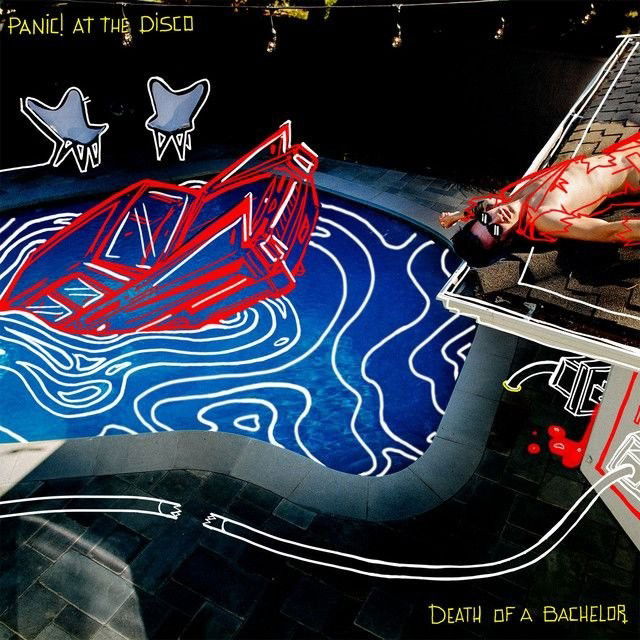
What “Death Of A Bachelor” Really Means
The meaning of Death Of A Bachelor Panic! at the Disco starts with a big life change: the end of one identity and the start of another. In this song, Panic! at the Disco turns that shift into something theatrical, romantic, and slightly uneasy. It is not about regret so much as transformation.
"Death Of A Bachelor" - Panic! at the Disco
I see the shadows on my face
People have told me I don't look the same
Loading lyrics...
Unable to load lyrics
We're unable to display the lyrics at this time. Please try again later.
Released in 2015 as a single and later included on the 2016 album Death of a Bachelor, the song arrived during a turning point for Brendon Urie and for Panic! at the Disco itself. The album became the project’s first No. 1 on the Billboard 200, and it was the first Panic! album made as a solo studio effort by Urie, with Jake Sinclair as a key collaborator.
A Farewell That Sounds Like a Toast
At its core, the song treats commitment like a symbolic funeral for bachelorhood. That is why the chorus lands so strongly on death of a bachelor
. The phrase sounds dramatic, but the emotion behind it is mostly grateful.
Interpretation: They present settling down as both a loss and a gain. One life ends, but a better one seems ready to begin. That idea is made clear when the song pairs the title with happily ever after
, turning a mock-funeral into a wedding-adjacent celebration.
Brendon Urie described the track on social media as the “bittersweet (but mostly sweet) end of an era,” which fits the lyric exactly. He also connected the album to the home life he shared with his wife Sarah, saying it reflected how different his lifestyle had become while writing it.
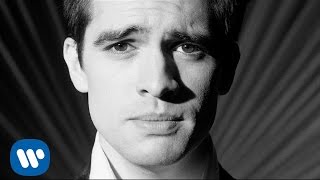
Watch the official Death Of A Bachelor
music video
The Verses Show a Man in Transition
The opening images are not triumphant. They are intimate and slightly unsteady. When the singer asks Do I look lonely?
, they do not sound fully confident. They sound like someone checking whether the outside matches the emotional change happening inside.
That uncertainty continues in images of physical strain and emotional exposure. The line about wearing the heart openly suggests vulnerability instead of swagger. The song’s speaker is no longer protected by the cool distance of a carefree single life.
There is also tension between solitude and partnership. The image of being alone at a table for two
captures that perfectly. It suggests someone who is emotionally built for closeness now, even when they are physically alone.
Romance, Anxiety, and the Strange Calm of Surrender
One reason the song works is that it does not pretend major love changes are simple. The singer sounds thrilled, but also overwhelmed. Even a sensual detail like the lace in your dress
carries nerves along with desire.
That mix matters. The song is not just saying, “They fell in love.” It is saying love changed the way they see themselves. The old bachelor identity now feels too small, maybe even outdated.
How could I ask for more?
A lifetime of laughter
Those lines sum up the song’s emotional turn. After all the nerves and self-questioning, the speaker reaches a simple conclusion: the trade is worth it. Freedom is being exchanged for connection, and they accept the deal.
Why the Sound Matters So Much
The production is a big part of the song’s meaning. Urie said the track was inspired by Frank Sinatra, and he told Upset it was “very jazzy, very Sinatra esque,” but paired with a beat that felt more modern. That blend is easy to hear.
The arrangement swings and croons, yet the drums and pulse keep it from becoming pure nostalgia. This matters because the song itself lives between eras. Its sound mirrors its theme: old-school bachelor glamour meeting modern emotional honesty.
According to album reporting and credits, Urie played nearly all the instruments on the album while Jake Sinclair served as a major producer and collaborator. That control gives the song a personal feel. It sounds less like a band statement and more like one person staging their own reinvention.
Artist Context Changes the Reading
Context helps explain why the song feels bigger than a simple love song. Death of a Bachelor was Panic! at the Disco’s fifth studio album, released on January 15, 2016, and it marked a new phase with Urie at the center creatively. That alone makes the title feel symbolic.
Interpretation: The “bachelor” may be more than a romantic identity. It can also stand for an earlier version of Urie: younger, looser, and less settled as both a person and an artist. In that reading, the song is about growing up without losing flair.
That fits Urie’s own comment that the album was “a beginning to a new era.” So while the song clearly points toward love and commitment, it may also reflect a broader self-redefinition.
Why the Song Still Connects
Many listeners stay with this song because it captures a feeling that is easy to recognize: the moment when adulthood stops being abstract. The big choice is suddenly real. A person can miss the old self and still be ready to leave it behind.
That is the real meaning of Death Of A Bachelor Panic! at the Disco: not mourning freedom, but honoring the person they used to be before stepping into a fuller life. It is flashy, tender, and self-aware all at once.
In the end, the song frames commitment as a dramatic ending with a happy afterglow. That tension is exactly why it lasts.
Disclaimer: This interpretation mixes documented artist comments with lyrical analysis. As with any song, listeners may hear different meanings in the same lines.









