Why 'Emperor's New Clothes' Feels Like a Coronation
The meaning of Emperor's New Clothes Panic! at the Disco comes down to one big idea: they turn exposure into power. Instead of sounding ashamed, the song celebrates the moment when an artist stops asking for permission and claims the spotlight.
"Emperor's New Clothes" - Panic! at the Disco
Welcome to the end of eras
Ice has melted back to life
Loading lyrics...
Unable to load lyrics
We're unable to display the lyrics at this time. Please try again later.
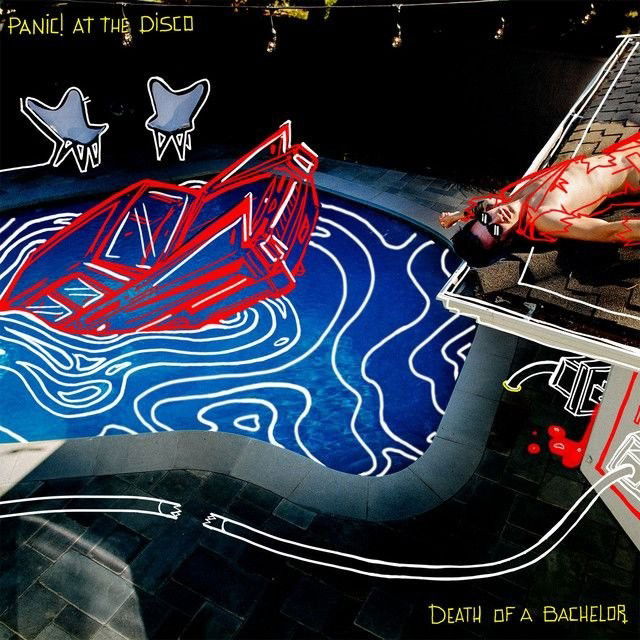
Released on October 21, 2015, as a single from Death of a Bachelor, the track arrived during a major transition for Panic! at the Disco, with Brendon Urie as the sole official member of the project. It was written by Brendon Urie, Jake Sinclair, Lauren Pritchard, Sam Hollander, and Dan Wilson, and produced by Jake Sinclair. Those facts matter because the song is not just fantasy; it also plays like a mission statement for a new era.
A Crown, a Mask, and a Warning
At its core, the song is about self-coronation. The narrator steps into a room full of wealth, status, and fake loyalty, then decides they belong above all of it. The repeated image of taking a crown is not subtle. It presents ambition as something earned, not politely requested.
That is why lines like taking back the crown
matter so much. The phrase suggests return, not theft. They are not chasing a random prize; they believe the throne was always theirs.
Interpretation: many listeners read this as Urie reclaiming creative authority over Panic! at the Disco. That reading fits his public comments about the Death of a Bachelor period and about fully owning the project's identity.
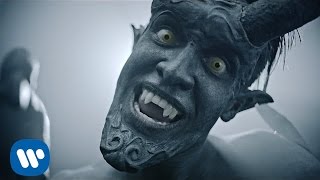
Watch the official Emperor's New Clothes
music video
The Andersen Reference Gets Flipped
The title points to Hans Christian Andersen's "The Emperor's New Clothes," but the song changes the moral. In the fairy tale, the emperor is fooled and exposed. Here, the narrator understands the spectacle and embraces it.
Songfacts quotes Urie saying the track is based on that story, except he knows what is happening and chooses it. That is a key difference. The song is not about being humiliated by public attention. It is about using that attention as fuel.
The sharpest example is the phrase all dressed up and naked
. It sounds contradictory on purpose. They are fully styled for performance, yet emotionally and artistically exposed. Instead of hiding that contradiction, the song treats it like proof of confidence.
How the Verses Build a Villain Persona
The verses are packed with images of fallen dynasties, sycophants, ghosts, kings, and castles. These details create a gothic world where power is unstable and image matters almost as much as truth. When the song mentions dynasty decapitated
, it suggests the end of one ruling order and the rise of another.
That is why the song often feels like a villain speech. It is theatrical, overblown, and a little wicked. The narrator does not want to seem humble. They want to sound dangerous, untouchable, and unforgettable.
A short section near the middle captures that mood:
Mortal kings are ruling castles
Flip the switch and watch them run
Paraphrased, the idea is simple: the people in charge are weaker than they look, and one bold move can expose them. The song keeps returning to that idea of false rulers being replaced.
The Chorus Says Ambition Out Loud
The chorus is the song's thesis. It takes all the royal imagery from the verses and boils it down to pure declaration. Phrases like so close I can taste it
frame ambition as physical hunger. Success is not abstract here; it feels near enough to grab.
Then the hook adds I see what's mine and take it
. That line is aggressive, but it also explains the whole character. They do not believe in waiting to be chosen. They believe in recognition through force of will.
Interpretation: this can sound arrogant, and that is intentional. Urie told Songfacts he wanted that arrogance because he had not written from that angle before. The song leans into ego as drama, not as apology.
Why the Sound Feels So Theatrical
Production does a lot of storytelling here. Wikipedia lists the song as dance-rock, but it also carries glam, electronic bite, and arena-sized vocals. It runs only 2:38, so it hits fast and hard, without wasting momentum.
Urie told Songfacts he stacked his vocals 38 times and aimed for something like Queen, but darker. That helps explain the song's strange mix of glam swagger and demonic camp. The harmonies do not just fill space; they make the narrator sound multiplied, almost monstrous.
This matters for the meaning of Emperor's New Clothes Panic! at the Disco because the sound supports the song's central message. The booming chorus, chopped vocal layers, and sharp drops all make the transformation feel bigger than life. It is less a confession than an entrance scene.
The Video Turns Rebirth Into Horror Fantasy
The music video deepens that reading. According to Wikipedia, it acts as a sequel to "This Is Gospel," showing Urie moving from death into a hellish transformation. Directed by Daniel "Cloud" Campos, the clip became one of the song's biggest talking points and had more than 300 million YouTube views by June 2023.
That visual arc matters because it turns reinvention into literal metamorphosis. The song already hints at ghosts, endings, and rising power. The video makes those ideas visible by turning a pop-star rebirth into devilish pageantry.
Why the Song Still Connects
Part of the song's appeal is that it understands the thrill and danger of ambition. It knows self-belief can look ridiculous from the outside. It also knows that great performers often need a little grand delusion to become legends.
So the track lives in that tension: exposed yet powerful, theatrical yet personal, ridiculous yet convincing. That is what gives it lasting bite.
In the end, the meaning of Emperor's New Clothes Panic! at the Disco is not just about ego. It is about choosing a new identity in public and daring everyone to watch.
Disclaimer: This interpretation draws on the song's lyrics, artist comments, and release context, but song meaning is never completely fixed. Different listeners may reasonably hear different shades of pride, satire, or reinvention.









