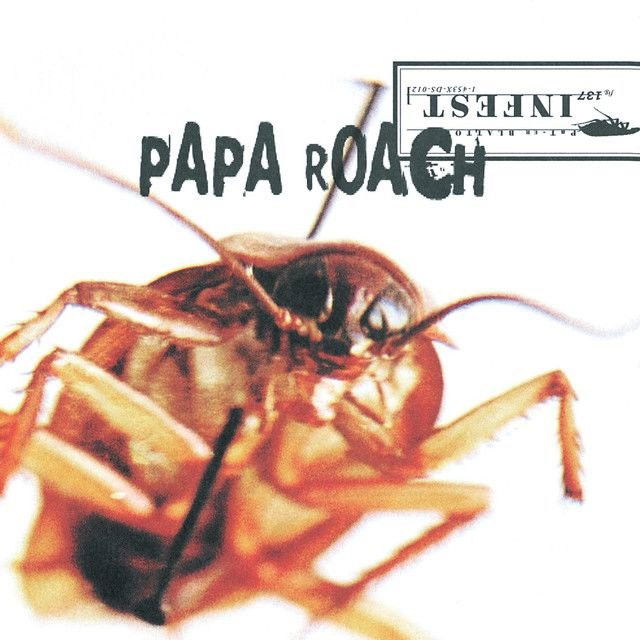
Between Angels And Insects by Papa Roach
Papa Roach turned anger at consumer culture into one of their sharpest early singles, asking what is left when status symbols fail.
"Between Angels And Insects" - Papa Roach
Provided by LyricFindThere's no money, there's no possessions
Only obsession, I don't need that shit
Take my money, take my obsessionLoading...Loading lyrics...
Unable to load lyrics
We're unable to display the lyrics at this time. Please try again later.
Why This Song Still Bites
The meaning of Between Angels And Insects Papa Roach comes down to a blunt rejection of greed. The song argues that money and status do not heal loneliness, fear, or spiritual emptiness. Instead, they can become another form of control.
Released as a single from Infest in 2001, the track is widely identified as a song about materialism and obsession. Songfacts notes that its core idea is simple: money does not solve real problems. It also reports that the title points to a human struggle between higher values and lower impulses. That idea fits the lyrics closely, even though the title itself never appears in the song.
In plain terms, Papa Roach present a world where people chase things, but those things never satisfy them. The song sounds furious because it sees that chase as a trap, not a reward.
Watch the official Between Angels And Insects
music video
The Song's Core Message, Stripped Down
At the center of the lyric is a repeated refusal: I don't need that shit
. Before and after that phrase, the song keeps paraphrasing the same lesson. Possessions become obsessions, and obsession becomes a kind of slavery.
The speaker is not calmly debating economics. They are pushing back against a whole value system. Lines about hated jobs, pocketbook stress, and greed describe a life built around buying and performing success instead of living with purpose.
Interpretation: The song is less anti-work than anti-empty work. It does not say effort is worthless. It says people can lose themselves when survival and identity get tied to objects.
Fight Club, Nu Metal, and Turn-of-the-Millennium Rage
Part of the reason the song feels so direct is its cultural moment. According to Songfacts, bassist Tobin Esperance said the bridge drew from Fight Club, especially the movie's critique of consumer identity. He said the lyric came from a scene between Brad Pitt and Edward Norton, and that Jacoby Shaddix was also reading Chuck Palahniuk at the time.
That matters because Fight Club and early-2000s nu metal shared a mood: frustration with corporate life, image culture, and emotional numbness. Papa Roach translated that mood into a radio-ready attack.
Factually, the song was released on May 22, 2001, as the third single from Infest. Sources also list it as a nu metal and rap metal track produced by Jay Baumgardner. It reached No. 17 in the UK and charted on U.S. rock radio, showing how strongly its message connected beyond the band's core fan base.
Verse by Verse: How the Lyrics Build the Argument
The opening presents a total break from material values. When the song says there's no money
and only obsession
, it is not claiming cash literally disappears. It is saying material wealth loses meaning once obsession takes over.
Then the lyric shifts into a call to wake up. The song says this is a revolution of the heart and mind, which widens the target. This is not just about one person's spending habits. It is about changing how people measure a life.
A key passage attacks the routine of working joyless jobs to buy things that do not matter. That section is one of the clearest anti-consumer statements in mainstream rock from that era. It connects greed to stress, self-centeredness, and spiritual exhaustion.
Later, the song gets darker. The image of a big black hole
suggests an inner emptiness that possessions can never fill. That metaphor is the song's emotional center. The void is inside, so external stuff cannot solve it.
What the Chorus Really Does
The chorus is simple on purpose. By repeating money, possessions, and obsession in a tight loop, the song makes them sound almost identical. That is the point. One leads to the next.
Interpretation: The hook works like a purge. Each repetition strips away another illusion until all that remains is a demand for something more honest: heart, soul, life, passion. The song does not spend much time defining those ideals, but it clearly values them over status.
How the Sound Carries the Meaning
The production helps sell the theme. The guitars are heavy and compressed, the rhythm section is forceful, and Jacoby Shaddix switches between rhythmic phrasing and explosive shouting. That mix of rap metal bounce and nu metal aggression mirrors the lyric's push-pull between social critique and personal breakdown.
The song is also built for release. The verses stack tension with tight grooves and spoken-sung attack, then the chorus detonates. That structure makes the rejection of consumerism feel physical, almost like a protest chant.
Songfacts also notes that Esperance later called it a live favorite. That makes sense: the song's repeated slogans and hard dynamic turns invite crowd response.
The Title and Video Add Another Layer
The title hints at a bigger moral frame. Humans live between the angelic and the insect-like, between conscience and appetite. Chasing possessions pulls them downward.
The music video, directed by Joseph Kahn, pushes that idea into body horror imagery. Songfacts describes cockroaches crawling from Shaddix's mouth and camera effects that travel through the band members' insides. Those visuals turn greed into infestation, something ugly that gets under the skin.
Final Take on the Meaning
So, what is the meaning of Between Angels And Insects Papa Roach? It is a furious warning that consumer desire can hollow people out. Money and image promise control, but the song says they often leave people anxious, trapped, and disconnected from what actually matters.
Its lasting power comes from that clear target. Even decades later, the message still lands because the pressure to perform success has not gone away.
Disclaimer: This interpretation is based on the lyrics, documented artist comments, and the song's cultural context. Like any song, it can support more than one honest reading.