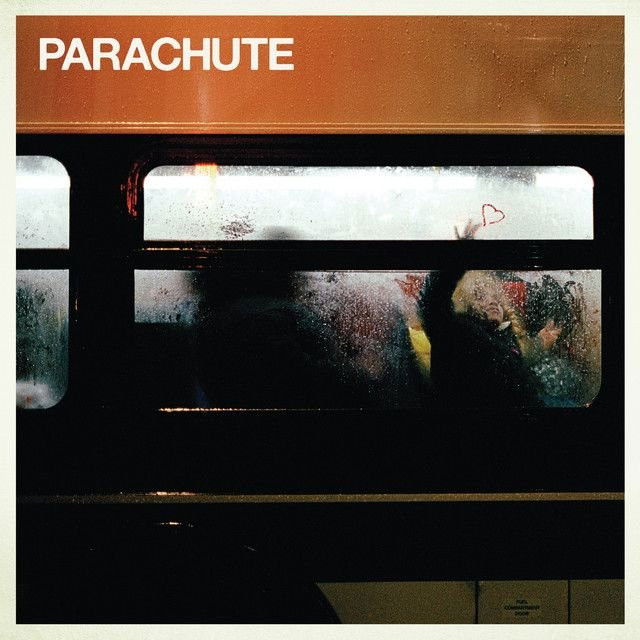
Young by Parachute: Growing Up Without Feeling Ready
The meaning of Young Parachute centers on a simple but powerful fear: a person can build an adult life and still feel like the same kid inside. That tension gives the song its emotional pull. It is not about refusing to grow up. It is about realizing that age moves faster than identity.
"Young" - Parachute
Still at home
And my mom would call me
Loading lyrics...
Unable to load lyrics
We're unable to display the lyrics at this time. Please try again later.
Parachute, led by singer-songwriter Will Anderson, often writes in a direct, conversational style, and this song follows that pattern. The writing credit given here to Will Anderson and Jacquire King is notable because King is widely known as a producer and engineer who has worked with major rock and pop acts, including Kings of Leon and Tom Waits, according to the Recording Academy and AllMusic. That background helps explain why the song feels polished but intimate.
Where the Story Starts: Safety, Then Motion
The opening verse begins with home. The narrator remembers being young, hearing a mother call, and knowing that love was waiting there. The short phrase down the street
helps ground the memory in a real place, while the idea of running back toward a familiar voice makes childhood feel safe and whole.
That matters because the rest of the song moves away from that certainty. Soon the character has chased a dream
, left home, and made fast decisions without much hesitation. The song does not frame that as a mistake. Instead, it shows youth as a time of motion, instinct, and belief.

Watch the official Young
music video
The Real Conflict Hides in the Mirror
The key emotional turn comes when the narrator admits they still feel like the same person, even as life and appearance say otherwise. The phrase the mirror say I'm not
captures the shock. On the outside, time has passed. On the inside, the self has not fully caught up.
This is the heart of the meaning of Young Parachute. The song argues that adulthood is not always a clean transition. People may move, work, fall in love, and take on responsibilities, yet still wonder whether they know what they are doing.
A Fear Many Adults Recognize
Interpretation: The song is less about literal age than about competence. When the chorus says only good at being young
, it sounds like a confession that the speaker knows how to dream, leap, and feel deeply, but is not sure they know how to be settled, wise, or fully formed.
That line lands because it turns nostalgia into anxiety. They are not just missing the past. They are questioning whether they have learned what adulthood is supposed to teach.
Life Milestones Do Not Solve the Feeling
In the second verse, the song moves through classic adult milestones. The narrator packs a car, moves away, and meets the girl of my dreams
. By any outside measure, life is progressing.
But the song refuses the usual pop resolution. Happiness arrives, yet certainty does not. The line about time leaving before anyone notices suggests that life can feel full and confusing at once. A person can be grateful and still feel unprepared.
This is one reason the song resonates. It does not treat love or success as a cure for existential fear. Instead, it shows that even happy changes can sharpen awareness of time.
How the Chorus Expands the Song’s Meaning
The chorus is where private memories become a universal statement. The phrase getting older lately
sounds almost casual, but that understatement is part of the song’s charm. Aging is constant and unavoidable, yet people often notice it in flashes.
Interpretation: The chorus works because it pairs ordinary language with a big emotional truth. Many listeners do not feel old every day. They feel it suddenly—through a mirror, a move, a relationship, or a memory that seems much closer than it should.
The repeated title idea, “young,” becomes more than an age marker. It becomes shorthand for spontaneity, emotional honesty, and the belief that life is still opening rather than closing.
Sound and Production: Warmth Around the Worry
Musically, the song supports that meaning with a polished, heartland-pop feel. Parachute is known for melodic pop-rock built around clear vocals and emotional hooks, a style documented across the band’s catalog by AllMusic. In “Young,” the likely emphasis is not on dramatic sonic experimentation but on warmth, lift, and clarity.
That matters. A song about fear could have been dark or heavy. Instead, the arrangement feels open, which keeps the emotion human rather than crushing. Gentle build, steady rhythm, and a singable chorus mirror the lyrical idea that growing older is scary, but also shared.
If Jacquire King was involved beyond writing, his reputation for rich, radio-ready mixes would fit the song’s balance of intimacy and scale, as noted by the Recording Academy. Even without overproducing the track, that kind of sensibility helps a reflective song feel anthemic.
A Second Reading: Youth as Something to Keep
There is another way to hear the final section. When the song says to hold on to that feeling because you never know
, it shifts from fear to resolve. Instead of mourning youth, the narrator may be redefining maturity.
Interpretation: In this reading, the song suggests that no one is meant to fully let go of youth. Not childishness, but wonder. Not irresponsibility, but emotional openness. The goal is not to stop aging. It is to carry the best parts of being young into the next phase of life.
Why “Young” Stays With Listeners
The best thing about the meaning of Young Parachute is its honesty. The song does not pretend adulthood feels complete or clear. It admits that people can love their lives and still feel startled by time.
That honesty gives the track its staying power. It captures a common American coming-of-age story—home, ambition, love, movement—but strips away the myth that these steps automatically make a person feel grown. Instead, it offers something truer: sometimes maturity is learning to live with uncertainty.
That is why “Young” feels comforting rather than bleak. It tells listeners they are not failing if they still feel unfinished.
Disclaimer: This interpretation is based on the lyrics provided, the song’s credited writers, and Parachute’s broader style. As with any song, meaning can vary from listener to listener.









