Why Parkway Drive’s “Crushed” Hits So Hard
Parkway Drive’s “Crushed” sounds huge, angry, and urgent because it is built to feel like a warning siren. For listeners searching for the meaning of Crushed Parkway Drive, the song points less to one personal story and more to a broad social crisis. It presents a world shaped by fear, propaganda, violence, and power systems that keep ordinary people trapped.
"Crushed" - Parkway Drive
Sisters, my sisters we've been crushed by the fists of god
Welcome to the free world
Loading lyrics...
Unable to load lyrics
We're unable to display the lyrics at this time. Please try again later.
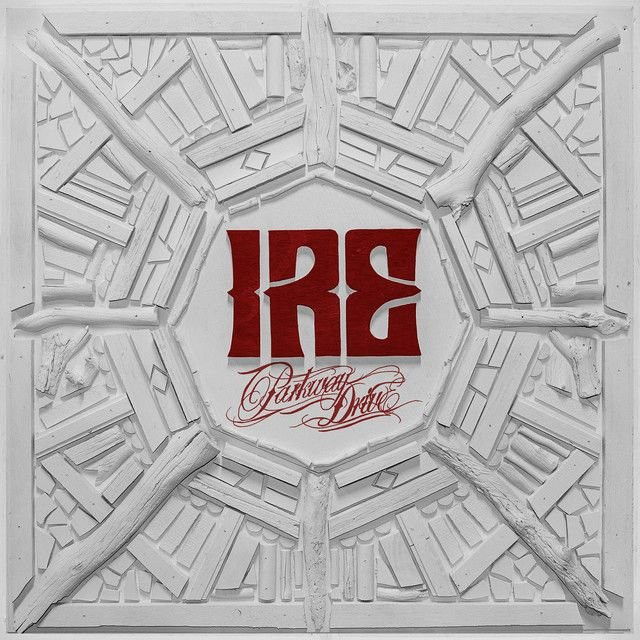
The track appears on Ire, the Australian band’s 2015 album that marked a bigger, more arena-sized turn in their sound, as documented by Epitaph Records and the band’s official site. That shift matters because “Crushed” does not just describe oppression. It tries to make listeners feel it.
A Protest Song Disguised as a Metal Anthem
At its core, “Crushed” is about people living under systems that hurt them while pretending to protect them. The opening address to brothers and sisters frames the song as collective, not individual. They are speaking to a whole public, almost like a rally speech.
Very early, the song attacks the promise of the free world
. The idea is not that freedom is fake in every sense, but that official slogans can hide exploitation. The verses connect war, money, and political control, suggesting that many citizens are pushed to accept suffering as normal.
Interpretation: The title image, being crushed by the fists of god
, likely is not a literal statement about religion alone. It sounds more like a way to describe massive, unquestioned power. That power may wear the mask of nation, fate, market logic, or even moral certainty.
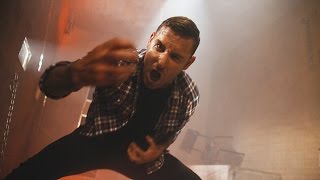
Watch the official Crushed
music video
The Main Conflict: Blindness, Silence, and Control
One of the smartest parts of the lyric is how often it returns to damaged perception. The song asks how people can solve a problem they cannot even properly sense. That idea turns oppression into something hidden in plain sight.
When the lyric refers to the chains
and then questions what a key is worth, it argues that liberation begins with awareness. If people cannot name the system that limits them, they cannot resist it. This is why the song keeps pushing against passivity and denial.
The command to cut the strings
deepens that message. The image suggests puppetry: people being moved by forces above them. A related line about breaking a code of silence shows that control is not just physical. It also depends on obedience, fear, and the habit of saying nothing.
How the Verses Build a World of Corruption
The song’s details sketch a harsh political landscape:
- Public ideals are exposed as hypocrisy.
- War and profit are linked through references to oil, blood, and refugees.
- Manipulation spreads through fear, lies, and hateful preaching.
- The answer is moral awakening rather than quiet acceptance.
That is why images of rats, snakes, and whispering sermons matter. They present corruption as sneaky, persuasive, and poisonous. The enemy is not only brute force. It is also language used to bend people into submission.
Why the Chorus Feels So Absolute
The repeated hook gives the song its emotional center. Instead of describing one bad event, it describes a condition of life. To be crushed
is to be pressed down until resistance feels impossible.
Brothers, my brothers, is this all that we are?
Sisters, my sisters, we’ve been crushed by the fists of god
That brief moment widens the scale. The chorus is not just rage; it is grief for what people have become under pressure. The question in the first line adds sorrow to the aggression, making the song feel communal and wounded, not simply violent.
Why the Sound Matters as Much as the Words
The meaning of Crushed Parkway Drive is carried by sound as much as lyric. On Ire, Parkway Drive leaned into lower, stomping grooves and a bigger, more anthemic production style, a change noted in coverage from Kerrang! and Blabbermouth. “Crushed” turns that approach into a weapon.
The riff feels mechanical and punishing, almost like an industrial press. The drums hit in a way that suggests marching or demolition. Winston McCall’s vocal delivery moves between barked accusation and rallying chant, which helps the song sound like both diagnosis and uprising.
Interpretation: That sonic heaviness mirrors the lyric’s argument. The band does not want listeners to observe oppression from a distance. They want them to feel the weight on their chest.
Two Strong Readings of “Crushed”
There is more than one fair way to read the song.
Reading One: A Political Attack
This is the most direct reading. The lyrics point to war economies, propaganda, class power, and the suffering of displaced people. Under this view, “Crushed” condemns leaders and systems that enrich themselves through violence.
Reading Two: A Spiritual Crisis in Political Language
The title phrase also allows a broader reading. The “fists of god” could describe the feeling that suffering has become so large and constant that it seems divine, unavoidable, or sacredly justified. In this version, the song is about how institutions turn power into destiny.
Both readings fit because the song keeps its language symbolic enough to stretch beyond one event.
Why “Crushed” Still Connects
Part of the song’s staying power is that it channels modern frustration without becoming too specific. Listeners can map its anger onto media manipulation, economic inequality, war, or social division. Its questions about truth and freedom still feel current.
For anyone asking about the meaning of Crushed Parkway Drive, the clearest answer is this: it is a call to wake up. The song argues that people are shaped by systems of fear and control, but it also insists they can break that silence once they see it.
That is why the track feels both bleak and energizing. It describes a crushed world, yet it keeps reaching for conscience, recognition, and revolt.
Disclaimer: This interpretation is based on the released lyrics, publicly available album context, and the song’s musical presentation. As with any art, listeners may hear meanings that differ from this reading.








