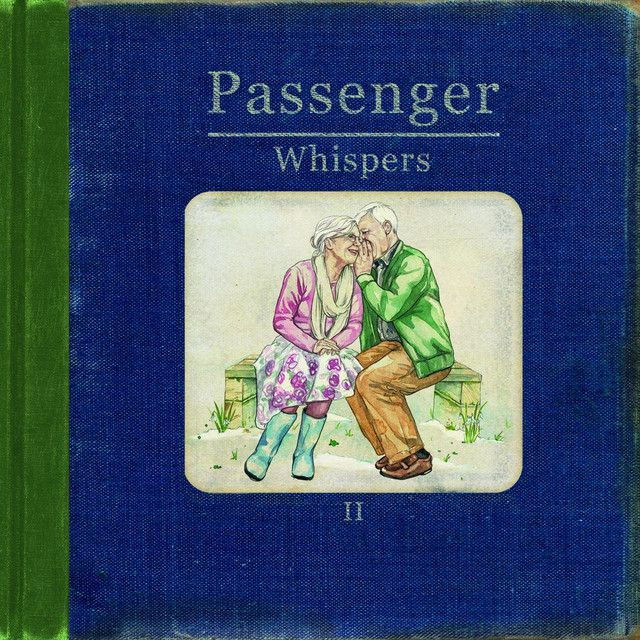
Why Passenger’s ‘The Way That I Need You’ Hurts
Passenger’s “The Way That I Need You” is a breakup song, but not in the usual sense. It is not about a dramatic betrayal or a loud final fight. Instead, it captures a more painful truth: one person loves more deeply than the other, and they finally understand that imbalance cannot be fixed.
"The Way That I Need You" - Passenger
Cut priced to clear a past to "Sell by date"
He'll be the fool running through the churchyard screaming out "It's not too late"
Loading lyrics...
Unable to load lyrics
We're unable to display the lyrics at this time. Please try again later.
For anyone searching for the meaning of The Way That I Need You Passenger, the heart of the song is simple. The narrator realizes they are emotionally outmatched by someone from their partner’s past or present emotional world. They are not accusing the other person of cruelty. They are admitting that love is uneven, and that uneven love is still enough to break a heart.
A Love Triangle Without a Villain
What makes the song striking is how carefully it avoids turning anyone into a monster. The unseen rival is described through odd, unstable images. He seems messy, weak, even absurd. In one line he is like a cheap, discarded object; in another, a man acting out in public; elsewhere, he is the silent elephant in the room
. These pictures suggest a person who is flawed and hard to understand.
But the song’s deeper point is that flaws do not stop desire. The loved person still dreams about him, still carries him emotionally, and still feels pulled back. That tension gives the song its ache. The narrator can see this other man’s problems, yet also knows that love does not always follow logic.
Watch the official The Way That I Need You
music video
The Chorus Names the Real Wound
The emotional core arrives in the chorus: not needing me
the way the narrator needs them. That is a brutal distinction. The song is not really saying, “You lied.” It is saying, “You do not feel this with the same force that I do.”
That is why another key phrase matters so much: please don't go misreading me
. The speaker is trying to leave with dignity. They do not want their pain confused with blame. In plain terms, they are saying the relationship failed not because of deception, but because emotional dependence was one-sided.
Interpretation: This is why the song feels mature rather than bitter. Passenger frames heartbreak as recognition, not revenge.
Strange Images, Clear Feelings
Michael David Rosenberg, the songwriter behind Passenger, often writes with vivid, conversational imagery, a style heard across songs from All the Little Lights and later releases. Here, the verses pile up strange portraits of the rival: ugly, comic, romantic, and haunting all at once.
Those images do two things:
- They show the narrator trying to rationalize the other person’s appeal.
- They reveal their frustration that love cannot be argued away.
- They make jealousy feel imaginative rather than cliché.
One especially revealing comparison comes when the narrator calls the loved person the book I can't stop reading
. That image shifts the song inward. Suddenly, the focus is not the rival at all. It is obsession. The narrator is stuck rereading a story that will not end the way they want.
Then comes the self-image: the stray cat
they have been feeding. That line is quietly devastating. It suggests affection without true commitment, care without belonging, and a relationship that may have felt warm but was never fully secure.
How the Story Moves
The song follows a clear emotional path, even though its images are poetic.
First, they recognize the ghost in the relationship
The partner’s attention is elsewhere, emotionally if not physically. The rival may be absent, but he still shapes the room.
Then, they stop competing
The narrator understands they cannot win by being better, kinder, or more stable. Love is not a contest scored by reason.
Finally, they choose to leave
The repeated line I'm leaving
matters because it sounds resigned rather than triumphant. This is not a power move. It is surrender to reality.
I'm just grieving
for a love I never knew
Those two brief lines capture the emotional twist of the song. The narrator is mourning not only what happened, but what never fully existed. They are grieving the imagined future of a relationship that was never equally shared.
How the Sound Supports the Meaning
Passenger is best known for acoustic-led songwriting, intimate vocals, and folk-pop arrangements, as heard in breakthrough material covered by outlets like Rolling Stone. That style fits this song perfectly.
Even without a huge production breakdown attached to the track here, the likely emotional tools are easy to hear in Passenger’s approach: gentle guitar, steady rhythm, and a vocal delivery that sounds conversational rather than theatrical. That matters because the lyrics are already emotionally crowded. A bigger arrangement might have pushed the song into melodrama.
Instead, the restrained sound lets the words land like private admissions. The melody carries sadness, but it does not oversell it. That balance helps the listener focus on the song’s most human idea: heartbreak can be soft-spoken.
The Meaning of The Way That I Need You Passenger
So what is the final meaning of “The Way That I Need You” by Passenger? At its core, it is about accepting unequal love. The narrator sees that their partner’s heart is still captured by someone else, or at least by a feeling they cannot compete with. They choose honesty over hope.
Interpretation: The song may also be read as a meditation on self-worth. Leaving becomes an act of self-protection. The narrator is not only losing someone; they are refusing to stay where they are merely tolerated instead of truly chosen.
That is what gives the song its staying power. It understands that sometimes the deepest heartbreak is not rejection in one sharp moment. Sometimes it is the slow realization that someone cares, but not enough.
Disclaimer: This interpretation is based on the lyrics, Passenger’s broader songwriting style, and publicly available artist context. As with any song, listeners may hear meanings that differ from this reading.








