What "Shadows of the Night" Really Means
The meaning of Shadows Of The Night Pat Benatar comes down to a simple but powerful idea: fear does not disappear first, so people have to move through it together. Pat Benatar’s hit sounds huge and urgent, but under the guitars and synths, it is really a song about trust, emotional risk, and choosing hope when life feels cold.
"Shadows Of The Night" - Pat Benatar
So baby take my hand, you'll be all right
Surrender all your dreams to me tonight
Loading lyrics...
Unable to load lyrics
We're unable to display the lyrics at this time. Please try again later.
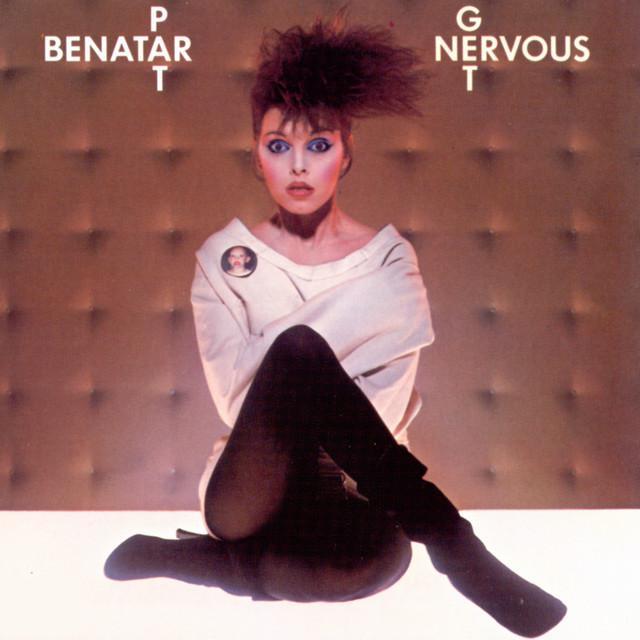
Released as the lead single from Get Nervous in 1982, Benatar’s version became the definitive one, reaching No. 13 on the Billboard Hot 100 and winning the Grammy for Best Female Rock Vocal Performance (Wikipedia). Those facts matter because they show how a tense, dramatic song about vulnerability became a mainstream anthem.
A Night Song About Emotional Rescue
At the song’s center is a speaker addressing someone who has shut down. The verses describe a person who keeps pain locked away and uses distance as protection. The message is not judgment. It is an invitation.
When the singer says cold world
, the lyric frames the other person’s fear as understandable. This is not teenage fantasy; it is a response to disappointment. Then the song pushes back against hiding, suggesting inner pain cannot stay buried forever.
Interpretation: The song is about a turning point. One person sees another retreating from love and says: come anyway, even if it is messy, uncertain, and late.
Watch the official Shadows Of The Night
music video
How the Chorus Turns Fear Into Motion
The chorus is what made the song unforgettable, and it is also where the meaning becomes clearest. Instead of promising daylight, safety, or certainty, it offers movement through darkness. The key phrase running with the shadows
does not deny danger. It accepts it.
That is why the hook feels larger than a normal love song. Taking someone’s hand in this context means more than romance. It means joining them in a moment of emotional crisis and saying they do not have to face it alone.
The line about dreams also matters. When the singer urges the listener to surrender all your dreams
, it can sound controlling at first. In context, though, it feels more like a plea to stop protecting every hope so tightly. The song argues that trust is the only way those hopes can live.
Who Is Speaking, and To Whom?
The narrator sounds direct, protective, and slightly desperate. They are talking to someone who expects pain and is already preparing excuses for why love will fail.
That dynamic gives the song tension. The other person is not eager; they are defensive. The singer knows that and answers with reassurance rather than pressure.
baby take my hand
you'll be all right
This brief moment captures the emotional deal at the heart of the song: trust me tonight, even if forever still feels impossible.
The Verses Build a Story of Guarded Love
The song progresses in a clear emotional arc:
- A wounded person is introduced as closed off.
- The singer says hiding pain does not erase it.
- The chorus offers togetherness in the middle of uncertainty.
- Later lines admit that life moves fast and love often feels temporary.
- Even then, the singer asks for one honest chance.
That fourth step is important. The song is not naïve. It openly recognizes doubt. A phrase like love ain't meant to last
represents the mindset the singer is trying to break through. Because the lyric acknowledges that fear, the promise in the chorus feels earned.
Sound, Production, and Why It Feels So Urgent
Benatar’s recording works because the production turns private fear into public drama. The song is commonly described as hard rock and synth rock, produced by Peter Coleman, Neil Giraldo, and Pat Benatar (Wikipedia). That mix matters.
The guitars give the track muscle, while the synths add a sleek, night-drive feel. The beat keeps pushing forward, matching the song’s language of running, taking chances, and not looking back. Benatar’s vocal is the real center, though. She does not sing these lines gently. She belts them like someone trying to save a moment before it disappears.
Interpretation: The arrangement makes courage sound physical. It is not just an idea in the lyric; listeners can feel it in the attack of the drums, the bright hooks, and the lift of the chorus.
Context Around the Song Adds Another Layer
D.L. Byron wrote the song, originally for the 1980 film Times Square, though it was not used there (Wikipedia). Earlier versions by Helen Schneider and Rachel Sweet came first, but Benatar’s version became the cultural landmark.
Its music video added another kind of drama. Set around a wartime dream image, it includes the phrase Midnight angel
in a visual world of danger, speed, and fantasy. Even without relying on the video for interpretation, that imagery fits the song’s basic emotional logic: in dark times, desire and bravery can blur together.
The Best Way to Read the Song Today
The meaning of Shadows Of The Night Pat Benatar is not that love solves everything. It is that intimacy begins when someone stops hiding. The song speaks to people who feel bruised by life, suspicious of promises, and still secretly hopeful.
That is why it lasts. It offers comfort without pretending the world is easy. It says the night is real, the shadows are real, and taking a hand anyway is its own kind of victory.
Disclaimer: This interpretation is based on the lyrics, recording context, and public release history. As with any song, listeners may hear different meanings in it.








