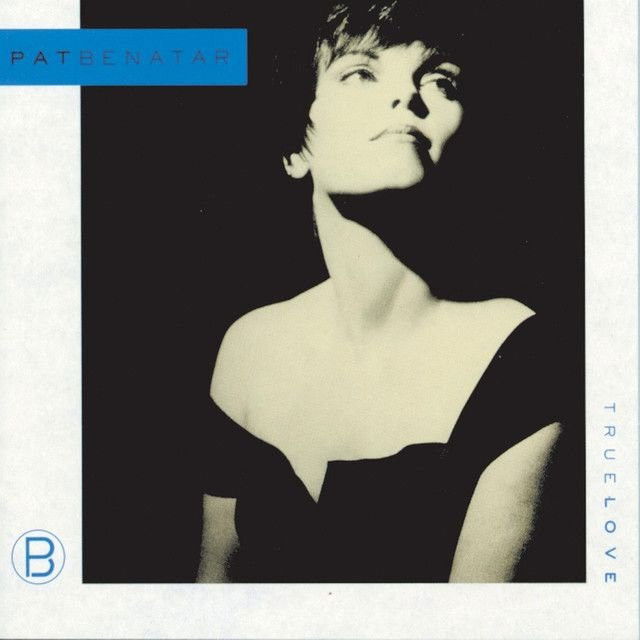
True Love by Pat Benatar
The meaning of True Love Pat Benatar becomes clearer when listeners realize this song is tied to a blues tradition, not just Benatar’s 1980s arena-rock image. On her 1991 album True Love, Benatar shifted into jump blues and classic R&B, backed by Roomful of Blues, a fact noted in coverage of the True Love album. That setting matters because the song in question, better known as “Payin’ the Cost to Be the Boss,” comes from B.B. King’s catalog.
"True Love" - Pat Benatar
You think you oughta do baby, anything you want to do
You must be crazy baby
Loading lyrics...
Unable to load lyrics
We're unable to display the lyrics at this time. Please try again later.
In Benatar’s hands, the song is still about control, money, and gendered power. But her version also changes the frame. When a female rock star sings a line like payin' the bills
, the meaning hits differently than it did in an older blues context. It can sound like a role reversal, a critique, or a bit of theatrical swagger.
A Blues Story About Money and Control
At the surface, the narrator is laying down rules in a relationship. They argue that the person earning the money gets to set the terms. That is the core message behind phrases like cost to be the boss
and footin' the bill
.
The verses build that idea with blunt, conversational language. The speaker tells their partner not to question their habits, spending, or lifestyle. Even when the words sound almost playful, the attitude is hard and possessive.
Interpretation: the song is not really celebrating healthy love. It is using the language of romance to show a power struggle. The title of Benatar’s album, True Love, makes that contrast even sharper. This is not tender devotion. It is love argued like a business contract.

Watch the official True Love
music video
Who Holds the Power Here?
One of the most interesting parts of the song is its voice. The narrator sounds certain, even proud. They treat financial support as proof of authority. That comes through in short flashes such as outta your mind
and pick up your things
.
That confidence makes the song vivid, but it also makes the relationship feel unstable. The speaker is not asking for respect. They are demanding obedience.
As long as I'm payin' the bills
I'm payin' the cost to be the boss
Those lines act like the song’s thesis. The speaker believes money buys not just comfort, but control. In emotional terms, that idea turns affection into leverage.
Why Pat Benatar’s Version Feels Different
Benatar had already built a career on tough, forceful songs before 1991. According to her career overview at Pat Benatar, she scored 15 U.S. Top 40 singles and became known for strong, confrontational performances. Songs like “Heartbreaker” and “Love Is a Battlefield” made listeners expect steel in her voice.
So when she recorded material from the blues world, she brought that same edge with her. Her version does not sound timid or nostalgic. It sounds like they are stepping into a classic form and testing its assumptions.
Interpretation: because Benatar is a woman singing a song associated with male authority, the performance can be heard in two ways:
- as a straight blues cover played with attitude
- as a sly challenge to the macho logic inside the lyric
That ambiguity is part of the fun. The song works whether listeners take it as character acting or commentary.
The Sound Turns the Message Into Theater
The production helps carry the meaning. True Love was a jump blues record featuring Roomful of Blues, with Benatar joined by Neil Giraldo and Myron Grombacher. That band setup gives the track a looser, horn-driven pulse than her biggest rock hits.
Instead of a giant pop chorus, the groove does the heavy lifting. The rhythm swings, the band punches accents around the vocal, and the arrangement makes the narrator sound even more self-assured. It feels less like a confessional and more like a performance in a smoky club where the singer owns the room.
That matters because the lyric could sound ugly if sung too literally. The lively blues feel adds distance. It tells listeners this is a persona speaking, not a relationship guide.
Is the Song Serious, Satirical, or Both?
There are at least two reasonable ways to hear the meaning of True Love Pat Benatar in this performance.
Reading One: A Character Portrait
In this reading, the song sketches someone who confuses care with ownership. They think paying rent or covering expenses gives them the right to control another person. The bluntness is the point. It reveals insecurity under the swagger.
Reading Two: A Gender Flip With Bite
In this reading, Benatar’s version gains extra force because she flips an old script. A woman sings the boss-talk, and that shift exposes how absurd the logic can sound. When the listener hears domestic power framed so coldly, the song starts to feel like social commentary.
Both readings fit the performance. Benatar does not over-explain it. They let the song’s attitude do the work.
What the Song Ultimately Says
The song’s lasting idea is simple: love without mutual respect becomes a contest. The speaker keeps talking about money, rules, and status, but those things only reveal fear of losing control. That is why the song feels sharp instead of romantic.
Benatar’s version gives that message new life by placing it in a blues revival setting and singing it with confidence rather than apology. The result is lively, a little funny, and a little unsettling. It asks listeners to hear how quickly support can become domination when love is measured in dollars.
For anyone searching for the meaning of True Love Pat Benatar, the best answer is that this song explores power masquerading as devotion. It is about the way financial dependence can distort intimacy, and how performance style can turn an old blues boast into something richer and more complicated.
Disclaimer: This interpretation is based on the song’s lyrics, performance style, and known album context. As with many blues-based songs, meaning can vary by listener and is not a statement of confirmed artist intent unless directly documented.








