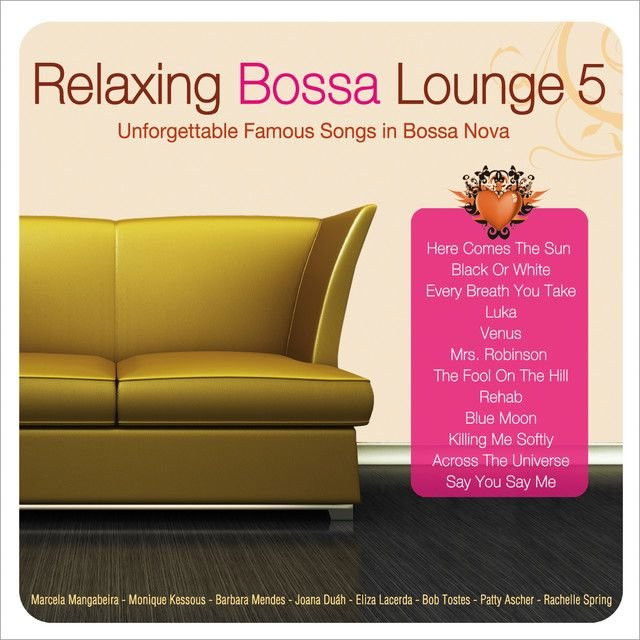
Why This Bossa ‘Raindrops’ Feels So Calm
The meaning of Raindrops Keep Falling On My Head (Bossa version) Patty Ascher comes down to a simple but lasting idea: trouble is real, but it does not have to define a person’s inner life. In Patty Ascher’s version, that message feels even gentler. The song does not deny bad days. It turns them into something that can be carried with grace.
"Raindrops Keep Falling On My Head (Bossa version)" - Patty Ascher
And just like the guy whose feet
Are too big for his bed
Loading lyrics...
Unable to load lyrics
We're unable to display the lyrics at this time. Please try again later.
This track reworks a song written by Burt Bacharach and Hal David, a songwriting team widely recognized for a long run of pop standards. The song first became a major hit for B.J. Thomas and was prominently used in Butch Cassidy and the Sundance Kid, where it won the Academy Award for Best Original Song. Those are historical facts about the composition, not this later recording. Patty Ascher’s bossa-styled performance shifts the mood without changing the core message.
The Heart of the Song Is Resilient Optimism
At its center, the lyric describes ongoing annoyance. The image of raindrops
is not really about weather alone. It points to setbacks that keep showing up. The opening idea says that life feels awkward and out of sync, as if nothing quite fits.
Still, the song refuses to turn that discomfort into despair. The key emotional move comes when the speaker admits the problem but rejects defeat. They know sadness may come, yet they insist it will not win. That is the emotional engine of the song.
Interpretation: This is less about pretending to be happy than about choosing not to surrender to frustration. The song’s famous optimism works because it first admits inconvenience, pressure, and disappointment.
Watch the official Raindrops Keep Falling On My Head (Bossa version)
music video
Small Images, Big Meaning
One of the smartest parts of the lyric is how ordinary its imagery is. There are no grand speeches. Instead, the song uses everyday pictures to explain a mindset.
Rain as the symbol of constant problems
When the lyric repeats keep falling
, it suggests persistence. Problems are not one-time events. They return. That repetition matters because the song is not about a single crisis. It is about the annoying pattern of life being difficult.
The sun as a playful target
The speaker says they did some talking to the sun
. That line adds humor. Rather than sounding crushed, they sound witty and slightly sarcastic, as if they are filing a complaint with the universe.
I'm never gonna stop the rain
By complaining
That brief moment contains the song’s philosophy. The speaker recognizes that complaining may be understandable, but it changes nothing. The answer is not denial. It is emotional freedom.
What the Chorus Really Tells the Listener
The chorus is powerful because it balances realism and self-control. Yes, the rain is still there. But the singer says their eyes will not be turning red
. In plain terms, they are saying they will not let hardship push them into helplessness.
That is why the line Because I'm free
matters so much. Freedom here does not mean perfect circumstances. It means inner independence. The world may stay messy, but the self can still choose its response.
Interpretation: This is the song’s deepest message. Freedom is framed as a mental and emotional act, not an escape from reality.
Why Patty Ascher’s Bossa Version Fits So Well
Patty Ascher’s recording style is key to why this song lands so smoothly. A bossa arrangement usually uses light rhythm, soft percussion, gentle guitar or piano textures, and an intimate vocal approach. That sound makes the song feel less like a declaration and more like a relaxed truth someone has learned over time.
Instead of fighting the lyric’s rainy image, the arrangement seems to float through it. The beat does not rush. The melody feels unbothered. That matters because the performance enacts the song’s meaning: pressure exists, but panic does not have to follow.
For U.S. listeners, this version may feel like it lives somewhere between easy listening, lounge pop, and Brazilian-inflected jazz. That blend gives the song a breezy surface while keeping the lyric’s emotional wisdom intact.
Artist Context and Vocal Perspective
Patty Ascher is often associated with polished Brazilian pop and bossa interpretations, so this song suits their style. Their delivery typically avoids melodrama. That restraint is important here because the lyric works best when it sounds lived-in rather than over-sold.
Although the words are written in first person, this article reads the speaker from a third-person view: they sound like someone coaching themselves through a run of bad luck. They are not denying pain. They are reframing it.
A Few Alternate Readings
There is more than one way to hear this song.
Reading one: everyday resilience
The most common reading is practical. The song is about keeping perspective when life gets irritating. Bills, stress, delays, bad timing: all of that can be the “rain.”
Reading two: emotional recovery
Interpretation: Another reading is that the lyric describes coming out of a low emotional period. The promise that happiness will soon greet them suggests hope after sadness, not just patience during a rough afternoon.
Both readings fit because the language stays simple and open.
Why the Song Still Connects
The meaning of Raindrops Keep Falling On My Head (Bossa version) Patty Ascher remains appealing because it offers a mature kind of optimism. It does not say everything will instantly improve. It says a person can stop feeding the storm with constant complaint.
That idea still resonates. People often cannot control what falls on them, but they can shape how they carry it. Patty Ascher’s warm bossa touch makes that wisdom feel easy to hear and easy to remember.
Disclaimer: This interpretation blends lyrical analysis with informed reading of the song’s style and context. As with any song, different listeners may hear different meanings.








