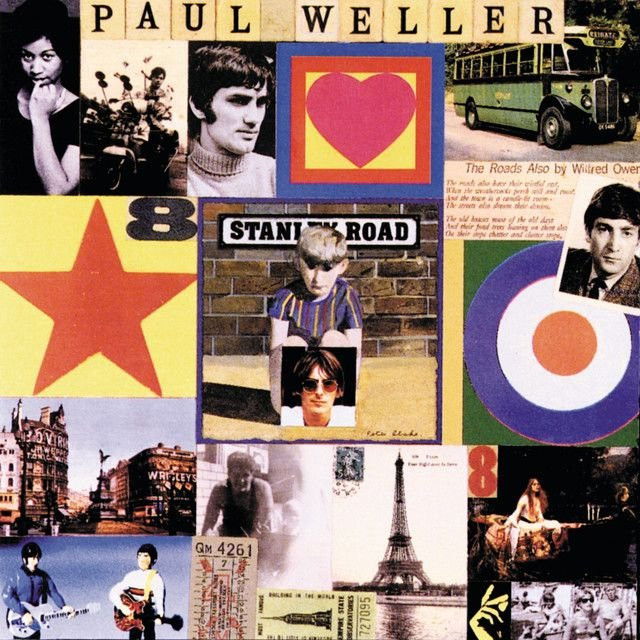
Broken Stones: Why This Weller Song Still Cuts
The meaning of Broken Stones All Star Band featuring Paul Weller, Noel Gallagher, Steve Ellis, Ian McLagan, Kenny Jones, Gem Archer comes down to wear, memory, and the hard work of staying human after disappointment. Even though the title in this version is “Broken Stones,” the lyric provided here points to Paul Weller’s self-questioning song “Changingman,” written by Weller. That matters, because the words center on identity in motion, not fixed certainty.
"Broken Stones" - All Star Band featuring Paul Weller, Noel Gallagher, Steve Ellis, Ian McLagan, Kenny Jones, Gem Archer
Or am I so jaded
I can't see or feel - like a man been tainted
Loading lyrics...
Unable to load lyrics
We're unable to display the lyrics at this time. Please try again later.
At its core, the song looks at a person who feels scarred by life but still moving forward. They question whether happiness is real, admit emotional numbness, and then turn that confusion into action. The result is a rock song about instability, growth, and the uneasy hope that tomorrow can still be different.
The Heart of the Song Is Restless Change
The opening lines set up the main conflict fast. The speaker wonders if joy can still be felt, or if they have become too damaged to trust it. When they describe themselves as so jaded
and emotionally dulled, the song presents someone who has seen enough to become cautious.
That mood is not pure despair, though. The lyric keeps shifting from self-doubt to motion. The key phrase changingman
turns identity into a moving target. Instead of saying they know exactly who they are, the speaker says they are still becoming.
Interpretation: this is why the song feels powerful. It does not offer a neat lesson. It says personal growth can feel unstable, noisy, and even dangerous. The person in the song is rebuilding while standing on weak ground.

Watch the official Broken Stones
music video
Built on Shifting Sands, Not Solid Ground
One of the strongest images is being built on shifting sands
. Paraphrased, the speaker sees their life as something without a firm base. That image suggests emotional insecurity, changing values, or the pressure of public life.
For listeners who know Weller’s career, that reading fits his larger body of work. He moved through major reinventions, from The Jam to The Style Council to his solo years, and his songs often treat change as both a risk and a necessity. That broad career arc is well documented in standard artist biographies and discographies, including major reference sources like AllMusic and Britannica.
The song’s image of a lit fuse deepens that instability. Rather than calm reflection, the speaker feels like they are waiting for impact. They are not peaceful; they are charged.
“The more I see - the more I know
The more I know - the less I understand.”
That short passage captures the song’s philosophy. Experience brings knowledge, but knowledge does not always bring peace. Sometimes it only reveals how uncertain life really is.
Time, Borrowed Life, and the Chance to Change
Another key section says time is borrowed, not owned. In simple terms, the song argues that life is temporary, so identity cannot be treated as final. If the speaker fails today, there is still the chance to become something else tomorrow.
This makes the song more hopeful than it first appears. Even with the bitterness and doubt, it refuses to say a person is trapped forever. That is why the line about tomorrow matters so much: it turns uncertainty into possibility.
Interpretation: the song’s real emotional movement is from numbness to acceptance. They do not solve life’s confusion. They learn to live inside it.
What the Chorus Really Means
The refrain brings the whole message together. By repeating waiting for the bang
, the song suggests a person living in a state of tension. They expect change to arrive violently, not gently.
But the chorus is not only about fear. It also sounds self-created. The speaker admits they light the fuse
, which implies responsibility. They are not just a victim of chaos. They take part in it.
That detail is important because it keeps the song from becoming passive. The person here may be wounded, but they are still choosing, provoking, and transforming. In that sense, the chorus is about agency as much as anxiety.
How the Sound Carries the Meaning
Musically, the song works because the arrangement gives the lyrics a physical push. The rock setting, associated with Weller’s solo work, gives the self-questioning words muscle instead of softness. The beat drives forward while the vocal phrasing sounds thoughtful, almost burdened.
That combination matters. If the track were too gentle, the lines might feel abstract. If it were too aggressive, the vulnerability might disappear. Instead, the production balances movement and doubt, matching the lyric’s mix of confidence and confusion.
With an all-star cast tied to British rock history, listeners may also hear added weight in the performance. Names like Noel Gallagher, Ian McLagan, Kenny Jones, Steve Ellis, and Gem Archer bring a sense of lineage. Even without over-claiming exact studio roles here, that association frames the song as part of a bigger rock conversation about aging, identity, and survival.
Two Strong Ways to Read It
A portrait of midlife uncertainty
One reading is that the song captures the moment when experience stops feeling comforting. The speaker knows more, but certainty slips away. In that view, the song is about adulthood stripping away simple answers.
A statement about artistic reinvention
Another reading is more specific to Weller. The speaker may be describing the pressure of constant reinvention in public view. The idea of being a changingman
then becomes both personal truth and artistic manifesto.
Both readings work because the lyric stays open enough to feel personal and public at once.
Why “Broken Stones” Feels So Human
The lasting appeal of the meaning of Broken Stones All Star Band featuring Paul Weller, Noel Gallagher, Steve Ellis, Ian McLagan, Kenny Jones, Gem Archer is that it does not pretend brokenness is poetic or pretty. It shows someone bruised by life, unsure of what they know, but still moving.
That is why the song resonates. It understands that change is not always inspiring. Sometimes it feels like standing on loose ground and hoping the next step holds.
In the end, the song argues that identity is not a finished structure. It is a process made of doubt, instinct, time, and motion.
Disclaimer: This article offers an interpretation of the song based on the provided lyrics and publicly known artist context. Meanings can vary from listener to listener.








