Why Paula Cole's Hit Still Feels Urgent
The meaning of I Don't Want to Wait Paula Cole goes much deeper than TV nostalgia. Many listeners know it from Dawson's Creek, but the song is really about family history, war trauma, and the choice to live differently before regret takes over.
"I Don't Want to Wait" - Paula Cole
And say a little prayer for I
You know that if we are to stay alive
Loading lyrics...
Unable to load lyrics
We're unable to display the lyrics at this time. Please try again later.
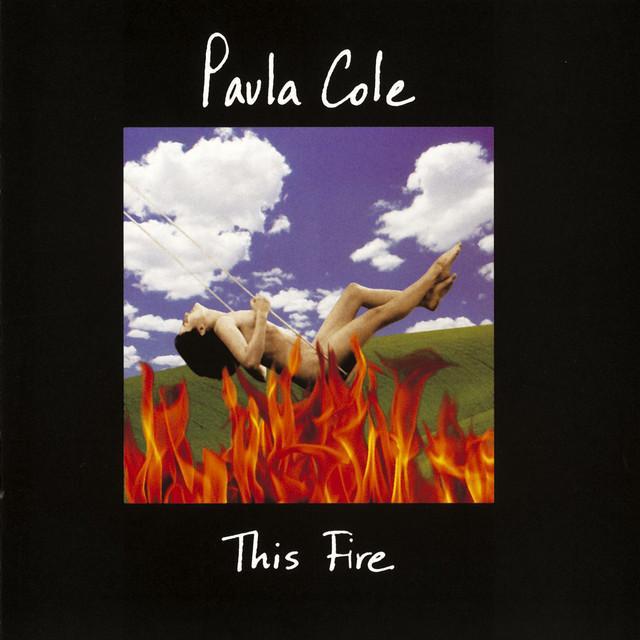
Paula Cole wrote, recorded, and produced the song herself for This Fire, and it was released as a single in 1997. According to reference and interview material summarized by Wikipedia, American Songwriter, and Songfacts, Cole has described it as a very personal song tied to her grandparents and to her fear of repeating painful family patterns.
A Family Story Hidden Inside a Pop Anthem
At its core, the song traces how one generation shapes the next. The verses describe a woman raising children during wartime, then a man who comes home injured in body and spirit. The pain does not stay in the past. It moves forward into marriage, parenting, and everyday life.
That is why the song feels bigger than its chorus. When the hook asks whether life will end in fulfillment or regret, it is not just asking about romance. It is asking whether people can break inherited cycles.
Interpretation: The title phrase is less about impatience than about moral urgency. They do not want to wait until life is over to learn whether they lived honestly, loved well, or repeated old damage.
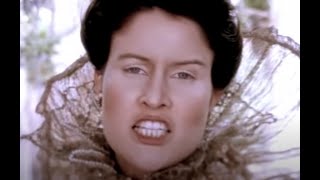
Watch the official I Don't Want to Wait
music video
The Verses Turn History Into Emotion
One of the song's smartest choices is its timeline. It begins with almost prayer-like language, then moves into World War II, then into later family life. That structure suggests that private pain and public history are linked.
Cole points to wartime fear with details like babies at home and constant dread around communication. Later, the returning soldier appears with shrapnel in his skin
, a short image that says a lot. His wounds are not only physical. The song adds that the war still lives inside him, showing how trauma can survive long after combat ends.
Then comes the emotional cost: it becomes difficult for him to be tender. That one detail helps explain the whole family atmosphere. The song is not excusing harm, but it is tracing its source.
What the Chorus Really Asks
The chorus is famous because it is catchy, but its power comes from the question at its center. The repeated line I don't want to wait
sounds simple, yet the next thought makes it existential. They want to know now what kind of life this will become.
Cole has explained, as quoted by Songfacts, that the chorus asks whether a person will say yes to life or shrink back in fear. That comment helps unlock the song. The choice is not between two lovers only. It is between courage and passivity, presence and regret.
Will it be yes
or will it be sorry?
Those words summarize the whole song. A family can pass down silence, fear, and emotional distance. But a later generation can still choose differently.
The Most Important Turn Happens Near the End
The emotional peak may be the section that urges someone to breathe a little more deeply
. The song suddenly narrows from history into the present moment. After describing generations of damage, it insists that change can only happen now.
Then comes the key refusal: the singer does not want to do what earlier fathers did. This is the song's clearest statement of purpose. It is about breaking a pattern, not just mourning it.
Interpretation: That shift makes the song partly a vow. They are speaking to a partner, but also to themselves. The message is: know the past, but do not surrender to it.
How the Music Carries the Meaning
The production helps explain why the song feels both intimate and huge. I Don't Want to Wait was recorded at The Magic Shop in New York, and credits widely cited by Wikipedia list Cole on vocals, piano, keyboards, and production, with Greg Leisz on guitar, Tony Levin on bass, and Jay Bellerose on drums.
The tempo is moderate, around 87 BPM, which gives the song a steady, reflective pulse instead of a rushed one. That matters. Even while the lyric says do not wait, the music sounds grounded, as if thinking carefully before making a life-changing promise.
Cole's vocal style also matters. She does not oversing the verses. They sound observant, almost narrative. Then the chorus opens wider, giving the song its lift. That contrast mirrors the meaning: private memory grows into a universal cry.
Why Pop Culture Changed the Song's Reception
The song became even more famous when its chorus was used as the theme for Dawson's Creek, a fact noted by Wikipedia and Songfacts. It peaked at No. 11 on the Billboard Hot 100 and spent 56 weeks there, showing that it was already a major hit. But TV gave it a second identity.
That new identity helped and complicated its meaning. For some listeners, the song became shorthand for teen drama. But the original lyric remains much heavier than that association suggests. In a way, its long life proves its point: people keep returning to songs that ask how to live before time runs out.
The Lasting Meaning of the Song
So what is the meaning of I Don't Want to Wait Paula Cole? It is a song about seeing generational pain clearly and refusing to let it decide the future. It argues that history matters, but choice matters too.
Its deepest message may be in the opening plea to see the peace
and later see the love
. After war, grief, and inherited fear, the song still reaches toward compassion. That is why it endures.
Disclaimer: This article offers interpretation based on the lyrics and publicly available comments from Paula Cole. Song meaning can remain personal and open to more than one reading.







