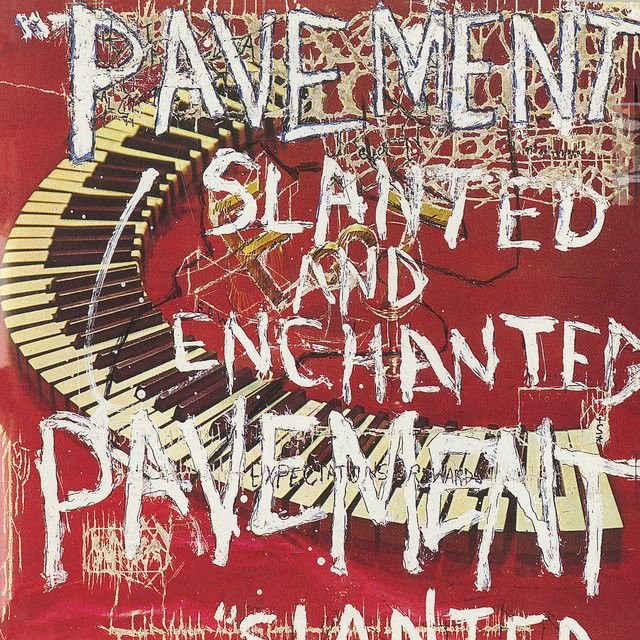
Trigger Cut/Wounded-Kite At :17 by Pavement
Why This Pavement Song Feels So Hard to Pin Down
The meaning of Trigger Cut/Wounded-Kite At :17 Pavement is less about a tidy plot and more about a state of mind. The song sounds wired, funny, defensive, and a little wounded at the same time. That mix is a big part of why it stands out on Pavement's 1992 debut album, Slanted and Enchanted, a record that helped define American indie rock in the early 1990s.
"Trigger Cut/Wounded-Kite At :17" - Pavement
Fruit-covered nails
Electricity and lust
Loading lyrics...
Unable to load lyrics
We're unable to display the lyrics at this time. Please try again later.
At the most basic level, the song seems to follow a speaker who feels burdened, mistrusted, and unable to stop returning to a painful relationship or social scene. They carry emotional weight, they rely on tricks and poses, and they know they are not fully welcome. The repeated promise to return gives the song its tension: they cannot let go, even when the other person seems tired of them.
Watch the official Trigger Cut/Wounded-Kite At :17
music video
The Core Meaning: Compulsion, Performance, and Rejection
A useful way to hear this song is as a portrait of someone stuck between self-invention and self-destruction. Early images like fruit-covered nails
and electricity and lust
feel random at first, but they build a world of attraction mixed with damage. The details are flashy and gross in equal measure, which fits Pavement's gift for turning discomfort into wit.
Then the song shifts into heavier imagery. When the speaker says they have a heavy coat
filled with rocks and sand, the idea is clear even if the image is odd: they are weighed down by baggage. That burden may be guilt, old habits, or a broken bond they keep carrying around.
Interpretation: The repeated line about coming back suggests compulsion. This is not a triumphant return. It sounds more like they are trapped in a loop, drawn back to a place where they are half-needed and half-rejected.
A Speaker Who Hides Behind Tricks
One of the song's sharpest lines describes an ex-magician
who still knows the tricks. Paraphrased, the speaker seems to admit that performance is second nature. They may no longer believe in the act, but they still use it to survive.
That matters because Pavement often wrote in a voice that mixed irony with confession. Stephen Malkmus and Scott Kannberg, the song's credited writers, were not known for straight diary writing. According to album credits, the band built songs that sounded casual and messy, yet carefully shaped. In that context, the magician image can point to social performance, rock-star posture, or emotional bluffing.
The "Trigger Cut" Idea
The title phrase suggests damage that is sudden but incomplete. In the lyric, the speaker says they have a trigger cut
and cannot pull it back. Paraphrased, something in them has already been set off. They want control, but the mechanism is jammed.
Interpretation: This can be heard as anxiety, anger, or desire that has crossed a line. Once activated, it keeps repeating. That links back to the return refrain and the sense that the speaker cannot stop themselves.
How the Chorus Turns Need Into Embarrassment
The song's emotional center comes when the speaker imagines the other person's response: they will look at them and wish they had gone away. That is brutal because it collapses the fantasy of return. Instead of reunion, they expect dismissal.
you just wish I went awayThe line makes the song's conflict plain: they keep coming back, but they already know how unwelcome that return may feel.
This is where the meaning of Trigger Cut/Wounded-Kite At :17 Pavement becomes especially strong. Beneath the abstract images, there is a simple fear: needing contact from someone who no longer wants it. The song hides that fear under jokes, fragments, and surreal objects, but it never fully conceals it.
Sound as Meaning: Loose, Noisy, and Restless
Pavement's recording style is crucial here. The track comes from a lo-fi album produced in part by the band with engineer Mark Richardson, and its sound rejects polish. The guitars scrape and lurch instead of shining. The groove feels like it could fall apart, but it keeps moving.
That roughness supports the lyric. A cleaner production might make the song feel too neat, but this version lets confusion stay confusion. The famous Pavement approach—slack vocals, sideways hooks, sudden melodic sweetness—makes the speaker sound both detached and exposed.
The nonsense-sounding vocal breaks also matter. The "sha-la-la" parts offer a fake release, like pop pleasure pasted over discomfort. Rather than solving the tension, they underline it. The song keeps flirting with catchiness while refusing emotional closure.
Symbols That Hold the Song Together
Several images help organize the song's meaning:
- Weight: the coat full of rocks and sand suggests emotional burden.
- Tricks: the magician points to persona, bluff, and self-protection.
- Cut/trigger: a wounded reflex, or a response that cannot be undone.
- Return: the repeated promise signals obsession, habit, or dependence.
- Truth-making: the speaker claims to learn truth, then almost admits they make it up.
That last point is especially interesting. The lyric implies that truth can be rearranged until it looks acceptable. Interpretation: The speaker may be confessing that they shape stories to survive shame. They are not only hurt; they are also unreliable.
Final Take on the Song's Meaning
The meaning of Trigger Cut/Wounded-Kite At :17 Pavement lies in its portrait of a person who feels damaged, theatrical, and unable to stop circling back. The song captures what it feels like to carry too much, say too much, and still hope to be received kindly.
Pavement make that feeling memorable by refusing to explain it cleanly. The lyrics stay fractured, but the emotion underneath is legible: compulsion, embarrassment, and the weak hope of return. That is why the song still connects.
Disclaimer: This interpretation is based on the lyrics, recording context, and documented credits. As with many Pavement songs, ambiguity is part of the design, so other readings are possible.







