
Symptomatic by Peach PRC
A bright pop song with a sharp warning
The meaning of Symptomatic Peach PRC comes down to one central idea: feeling good is not always the same as being well. The song wraps that point in glittery, funny, brutally honest pop. On the surface, it sounds cheeky and fast-moving. Underneath, it is about denial, treatment, and the risky belief that one good day can erase a bigger struggle.
"Symptomatic" - Peach PRC
'Cause he'll say it's 'cause I've got a problem keeping friends
He says I fill the void with boys and overspend
Loading lyrics...
Unable to load lyrics
We're unable to display the lyrics at this time. Please try again later.
Peach PRC, the Australian pop artist Sharlee Curnow, has built much of their public image around candid posts about mental health, addiction, and self-care, especially on TikTok, where they became widely known before and after their 2021 label breakthrough. According to publicly available background information, they released "Symptomatic" on June 25, 2021, during the run that followed "Josh" and led toward later projects like Manic Dream Pixie (Wikipedia). That context matters because this song fits their style: cute colors, blunt confessions, and emotional messiness living side by side.
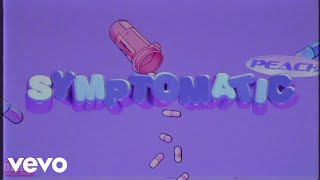
Watch the official Symptomatic
music video
What the song is really saying
At its core, the song follows a narrator who keeps mistaking temporary relief for total recovery. They joke about drinking, spending, relationships, and trendy wellness fixes, but each joke points to the same pattern: trying to outrun pain instead of facing it.
The key warning arrives in the chorus. The song paraphrases a doctor saying: do not stop treatment just because today feels easier. That is the emotional hinge of the track. A good day can be real, but it can also be misleading. When the hook repeats don't throw out your meds
, it turns a practical instruction into the song's whole thesis.
Interpretation: Peach PRC seems less interested in making the doctor a villain than in showing how frustrating stability can feel. The narrator wants freedom, spontaneity, and the thrill of saying I think I'm cured
. The song answers that fantasy with a hard truth: improvement may be only part of a cycle.
Verse by verse, the spiral becomes clearer
The opening verse uses humor to reveal self-destructive habits. The narrator jokes about day drinking, trouble keeping friends, and filling emotional gaps with romance and spending. These are not random details. Together, they sketch someone chasing relief through distraction.
Then the song adds a self-aware punchline with maybe I'm a narcissist
. That line is funny, but it also shows defensiveness. Instead of sitting with the doctor's concern, the narrator dodges it with wit and flirtation. That tone is important. The song knows they are spiraling, but they still want to sound charming while doing it.
The second verse broadens the theme. Rather than trusting medicine or consistent care, the narrator experiments with spiritual quick fixes. The reference to crystals and energy healing is not just a joke about wellness culture. It shows a deeper desire for an easy answer, something prettier and less clinical than treatment.
Why the chorus hits so hard
The chorus works because it is both catchy and corrective. The doctor says the narrator may be okay, but feeling okay is not proof of a cure. The phrase peach colored glasses
is the song's smartest image. It riffs on the old idea of rose-colored glasses, but makes it personal to Peach PRC's brand of pastel sweetness.
That image suggests perception can be tinted. Things look softer, brighter, and safer than they really are. So when the song ends on it's all just symptomatic
, it lands like a diagnosis and a disappointment at once. The narrator does not get a grand breakthrough. They get a reminder that symptoms can fade and return.
He says I'm manic
Maybe I'm manic
It's all just symptomatic
This short final turn matters because the certainty falls away. Earlier, the narrator insists they are cured. By the end, they sound less sure, almost repeating the diagnosis back to themself.
How the sound supports the meaning
Peach PRC's music often uses bright pop textures to carry heavier themes, and "Symptomatic" is a strong example of that contrast. The production feels bouncy, sugary, and quick on its feet, which mirrors the narrator's impulsive thinking. A darker arrangement might have made the message feel obvious. Instead, the upbeat sound puts listeners inside the temptation.
That is why the song works so well. It does not merely describe unstable optimism; it sounds like it. The melody rushes forward with the same confidence as someone deciding they are suddenly fixed. Then the repeated chorus acts like a hand on the shoulder, slowing that fantasy down.
Artist context makes the song more resonant
Peach PRC has spoken publicly about borderline personality disorder, ADHD, addiction, and self-care in their online presence, according to biographical summaries (Wikipedia). That does not mean every lyric should be read as literal autobiography. Still, it helps explain why the song feels specific rather than generic.
Interpretation: Listeners may hear "Symptomatic" as a satire of self-diagnosis, wellness culture, or medication resistance. They may also hear it as a diary-like portrait of someone who hates how boring recovery can feel. Both readings fit the text.
The takeaway behind the glitter
The meaning of Symptomatic Peach PRC is that recovery is rarely clean, instant, or glamorous. The song captures the seductive lie that one good day can cancel a long struggle. It laughs at that lie, but it does not endorse it.
That balance is what makes the song memorable. It is funny without being careless, and poppy without losing its bite.
Disclaimer: This interpretation is based on the lyrics, public artist context, and the song's presentation. Like all art, listeners may reasonably hear different meanings in it.








