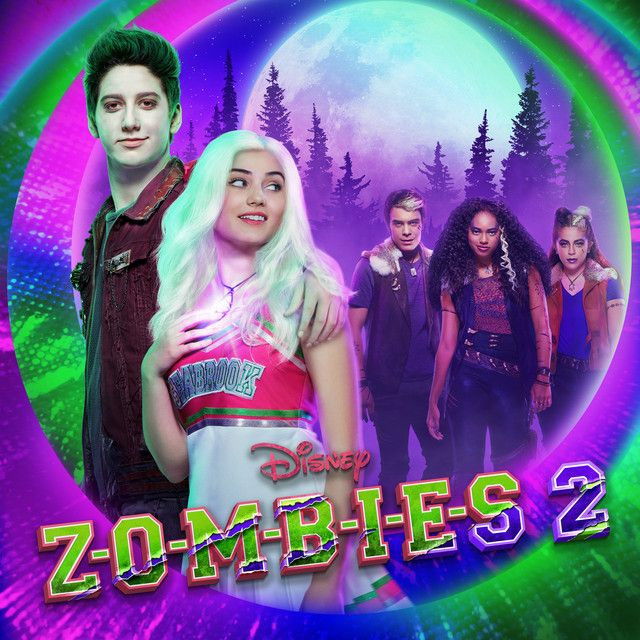
Why 'Like the Zombies Do' Flips the Script
The meaning of Like the Zombies Do Milo Manheim, Kylee Russell, Chandler Kinney, Pearce Joza comes down to a clever idea: people often demand that outsiders blend in, but this song answers with humor, pride, and a challenge. Instead of begging for acceptance, it playfully suggests that the so-called outsiders might already have their own smart way of living.
"Like the Zombies Do" - Milo Manheim, Kylee Russell, Chandler Kinney, Pearce Joza
Brush your fangs when you wake up
Comb your hair, do your make up
Loading lyrics...
Unable to load lyrics
We're unable to display the lyrics at this time. Please try again later.
In the world of Z-O-M-B-I-E-S 3, Seabrook has become a town where humans, zombies, and werewolves are trying to coexist before a new group, aliens, arrives. According to the film’s release information, Z-O-M-B-I-E-S 3 premiered on Disney+ on July 15, 2022, and later on Disney Channel on August 12, 2022. The movie follows a community still learning what inclusion really means. That context matters because this song turns those tensions into a comic, catchy lesson.
A Dance Song With a Social Point
On the surface, the track is a list of silly instructions. The singers talk about grooming, manners, and how to act in public. Phrases like Brush your fangs
and Trim your claws
sound funny because they treat monster traits like ordinary habits.
But beneath that joke is a sharper message. The song mirrors the kind of advice minorities or outsiders often hear: be neat, be polite, do not scare anyone, and above all, do not make others uncomfortable. When they sing Don't stand out
, the line captures the pressure to disappear into a crowd even when identity cannot be erased.
Interpretation: The song is not praising conformity as much as exposing how absurd it can sound. By putting those rules in monster language, it shows how unfair social expectations can be.

Watch the official Like the Zombies Do
music video
The Chorus Turns Assimilation Around
The hook matters because it flips the power dynamic. Repeating Do it like the zombies do
sounds simple, but it changes the whole argument. Instead of saying zombies must act more human, the song imagines a world where zombie culture sets the tone.
That is why the track feels triumphant rather than defeated. The chorus does not reject living together. It rejects the idea that only one group gets to define what “normal” means.
A key moment comes late in the song, when the lyrics openly ask why the outsiders should be the ones to change. That shift moves the number from playful instruction to mild rebellion. They are no longer taking advice; they are questioning who made the rules in the first place.
How the Verses Build the Theme
Each verse adds another layer to this idea.
- The opening lines focus on appearance and behavior. They mock the rules of presentability.
- The middle section widens the joke into school and public life, with reminders to stand straight, do homework, and smile in social settings.
- The final section pushes back and asks whether the dominant group should adapt too.
That structure is smart. The song starts with compliance, then grows into resistance. Even the phrase give an inch
hints at negotiation. It sounds like they know acceptance is often offered in tiny pieces, and they intend to turn that tiny opening into something bigger.
Monsters, Manners, and Respectability
One reason the song works is that it uses familiar “monster” details to talk about a real social pattern: respectability politics. That idea means people from a judged group are often told to earn acceptance by behaving perfectly.
So when the singers joke about not howling, not growling, and keeping up appearances, they are really pointing to a larger burden. The burden is not just to be good, but to be extra good so others feel safe. In that light, the humor has bite.
Interpretation: The song argues that kindness and coexistence are good goals, but forced sameness is not. There is a difference between sharing a community and erasing difference.
Why the Sound Helps Sell the Message
Production is a big part of why the message lands gently. The song is upbeat, rhythmic, and built like a chant-heavy ensemble number. Its bounce makes the critique easy to absorb.
Rather than sounding angry, it sounds confident. The beat feels built for movement, which fits a movie musical where identity is often expressed through choreography. The repeated hook works like a team slogan, turning a social argument into something audiences can sing along with.
That matters in a Disney setting. A darker arrangement might have made the message feel harsh. Here, bright pop production and group vocals make it feel welcoming, even while the lyrics question unfair rules.
The Cast Context Changes the Reading
The credited performers in the title, Milo Manheim, Kylee Russell, Chandler Kinney, and Pearce Joza, all come from different corners of the Z-O-M-B-I-E-S ensemble. Their presence reinforces the franchise’s core theme: solidarity across groups.
In Z-O-M-B-I-E-S 3, Seabrook is already described as a place where humans, zombies, and werewolves coexist before aliens disrupt that balance. That backdrop makes this song feel like a statement from a community that has learned some lessons but still has work to do. It is not only about zombies. It is about every group that has been told to soften itself for approval.
The song was written by Adam Schmalholz, Antonina Armato, Thomas Armato Sturges, and Tim James, a team known for polished pop-musical writing. That helps explain why the number can carry a message without losing its fun.
The Real Takeaway From the Song
The meaning of Like the Zombies Do Milo Manheim, Kylee Russell, Chandler Kinney, Pearce Joza is that belonging should not require self-erasure. Its joke is simple: if everyone keeps telling outsiders how to behave, maybe it is time to ask whether the insiders should learn something too.
That is why the song stays memorable. It is playful enough for kids, sharp enough for older viewers, and honest about the weird rules communities make when they fear difference.
Disclaimer: This article offers interpretation based on the song’s lyrics, performance context, and the broader Z-O-M-B-I-E-S franchise. Meaning can vary from listener to listener.









