Why Pearl Jam’s “Even Flow” Still Hits Hard
The meaning of Even Flow Pearl Jam starts with a person many listeners might pass without seeing. On the surface, the song is a hard-driving rock staple from Pearl Jam’s debut era. Underneath, it is a sharp portrait of homelessness, mental strain, and the thin hope that a life can restart.
"Even Flow" - Pearl Jam
Oh, feelin' maybe he'll see a little better, set a days, ooh yeah
Oh, hand out, faces that he sees time again ain't that familiar, ooh yeah
Loading lyrics...
Unable to load lyrics
We're unable to display the lyrics at this time. Please try again later.
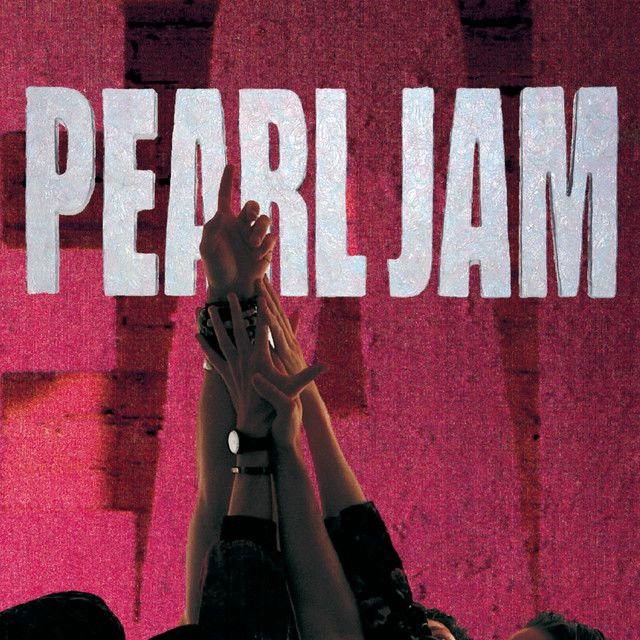
Released in 1992 as a single from Ten, the song pairs Eddie Vedder’s lyrics with music by Stone Gossard. It became one of Pearl Jam’s signature tracks and reached No. 3 on Billboard’s Mainstream Rock chart. Its popularity matters because the song does not soften its subject. Instead, it pulls a difficult social reality into mainstream rock.
A Street-Level Story, Not a Vague Anthem
At the center of the song is a homeless man. The opening image, pillow made of concrete
, quickly grounds the listener in physical discomfort and public neglect. This is not romantic suffering. It is a life lived outside, in cold weather, with little safety or dignity.
The verses keep building that picture. The man reaches out to strangers, sees the same faces, and moves through public spaces where help feels distant. Another key detail is that he looks through a newspaper but may not be able to read it. That detail suggests more than poverty alone. It hints at exclusion from basic systems that many people take for granted.
Interpretation: Pearl Jam are not just telling one man’s story. They seem to be showing how society trains itself not to notice people in crisis until their pain looks disruptive.
What the Chorus Says About a Fractured Mind
The chorus is the song’s emotional center. When Vedder sings thoughts arrive like butterflies
, the image is delicate and brief. Ideas drift in, but they do not stay long enough to become stable or useful.
That is why the next idea matters so much: he cannot hold onto those thoughts, so he pushes them away. The chorus turns mental struggle into something visible. The problem is not a lack of desire. The problem is that clarity keeps slipping out of reach.
Then comes the song’s smallest light: begin his life again
. That line keeps the song from becoming pure despair. It suggests that somewhere inside this man, or inside the people watching him, there is still an idea of renewal.
Even flow
thoughts arrive like butterflies
he don't know
begin his life again
In a few lines, the chorus captures confusion, lost control, and hope all at once.
The Human Reality Behind the Lyrics
There is real-world context behind the song’s focus. According to reporting collected in the song’s Wikipedia entry, Vedder connected the song to a homeless Vietnam veteran he had known. He also introduced the song live as a kind of street education, urging audiences not to assume homeless people were simply “crazy” or at fault.
That context helps explain the song’s tone. It is not written like a detached news report. It feels close, angry, and observant. The lyrics notice expression, weather, prayer, and body language. They treat the subject as a person with inner life, not a symbol.
How the Music Makes the Meaning Hit
A big part of the meaning of Even Flow Pearl Jam comes from the way it sounds. Gossard’s main riff has a rolling, almost circular motion. It feels restless rather than settled, which fits a character who cannot find steady ground.
Mike McCready’s lead guitar pushes that tension further. His solo style, often linked to blues-rock players like Stevie Ray Vaughan, adds flash and urgency. Instead of making the song feel triumphant, though, the solo sounds like pressure release: intense, fast, and barely contained.
The rhythm section matters too. The groove has swing, but it is heavy. That mix gives the track forward motion without comfort. The music drives on while the lyrics describe a life stuck in place. That contrast is one reason the song remains so powerful.
Why the Recording Feels So Raw
The band were famously frustrated while recording it, with members later saying they did many takes and never felt fully satisfied. Oddly, that may help the finished track. Its rough edges match the instability inside the song.
Listeners do not hear a polished social message. They hear friction.
A Bigger Message About Visibility and Shame
One of the song’s strongest lines describes a smile that makes the man looks insane
. That is a painful social observation. It suggests that even joy, relief, or simple expression gets misread when someone has been pushed outside normal life.
The song also links private suffering to public shame. Images of cold, hallways, prayer, and public spaces suggest institutions that fail to protect the vulnerable. Faith appears, but not as easy rescue. The man prays to something that has not answered.
Interpretation: The song may be asking whether society notices people only after they seem broken. If so, “Even Flow” is not just about one person’s crisis. It is also about collective indifference.
Why “Even Flow” Endures
“Even Flow” has been played live hundreds of times and is often cited as Pearl Jam’s most performed song. That longevity is not just about the riff. It lasts because it balances two things that rarely stay together: a crowd-moving rock attack and genuine social observation.
For casual listeners, it works as a muscular grunge classic. For closer listeners, it becomes a song about instability, dignity, and the hope of return. That is why the meaning of Even Flow Pearl Jam still feels current in the United States, where homelessness remains visible and often misunderstood.
The Last Word on Its Meaning
The clearest reading is that “Even Flow” tells the story of a homeless man whose thoughts, dignity, and future are under constant pressure. The chorus gives that struggle a haunting shape, while the band’s forceful performance refuses to let the listener look away.
Still, song meaning is never perfectly fixed. This interpretation is based on the lyrics, documented artist context, and the recording itself, but listeners may hear different shades of despair, empathy, or anger in it.








