I Am Mine by Pearl Jam
A Quiet Anthem About Owning the Self
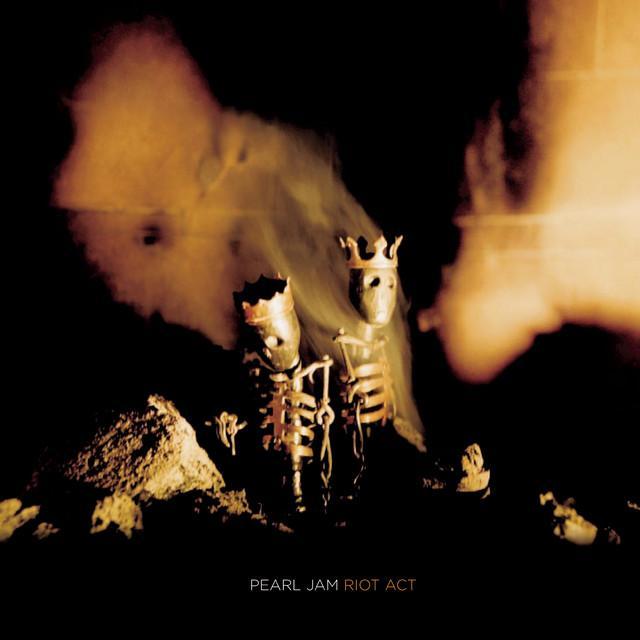
The meaning of I Am Mine Pearl Jam centers on a simple but powerful idea: life is uncertain, but a person can still claim ownership of their inner world. Eddie Vedder wrote the song, and Pearl Jam released it in 2002 as the lead single from Riot Act. According to Wikipedia, Vedder wrote it near Virginia Beach before the band’s first show after the Roskilde tragedy, and he later said he wrote it to reassure himself that things would be okay.
"I Am Mine" - Pearl Jam
Faithin' and hopin' to buy themselves time
Me, I figure as each breath goes by
Loading lyrics...
Unable to load lyrics
We're unable to display the lyrics at this time. Please try again later.
That context matters. Riot Act came after grief, fear, and public trauma, so this song does not sound naive. Instead, it sounds earned. It accepts death, sorrow, and lost innocence, but still insists on a form of freedom that cannot be bought or taken.

Watch the official I Am Mine
music video
What the Song Is Really Saying
At its core, the song argues that control over life is limited, while control over the self is precious. Early lines contrast anxious people trying to “buy” more time with a speaker who knows time cannot be owned. What can be owned, they say, is the mind. That is the key turn in the song.
When Vedder sings I only own my mind
, the point is not isolation. It is clarity. The song strips life down to one true possession: consciousness, judgment, and the right to decide how to face the world.
That idea grows stronger in the central refrain, I am mine
. It sounds almost blunt, but that bluntness is the point. This is not about ego. It is about self-possession in a world full of loss, panic, and pressure.
Mortality Makes the Message Stronger
One of the song’s smartest moves is that it does not pretend death can be defeated. The speaker plainly admits they were born and will die. In between those facts, though, there is still a life to claim.
That is why the line about the in-between is mine
matters so much. The song turns mortality into motivation. If life is temporary, then the years between beginning and end become more valuable, not less.
Interpretation: This is an existential song, but not a hopeless one. It shares some of the same questions found across Riot Act—fear, meaning, reality—but gives them a more personal answer. Instead of asking institutions, crowds, or belief systems to provide certainty, it places responsibility inside the self.
Innocence, Sorrow, and Emotional Honesty
The middle of the song widens the theme. It talks about innocence being lost and meaning being left behind. Those ideas suggest adulthood after disillusionment: the moment when simple beliefs no longer work, and a person has to build a tougher inner life.
The imagery of grief is striking but compact. The song says the ocean is full because everyone is crying, then warns that pain grows when denied. In other words, sorrow does not shrink when hidden. It spreads.
The sorrow grows bigger
when the sorrow's denied
Those lines are the article’s clearest emotional lesson. Pearl Jam are not just saying “be strong.” They are saying real strength includes admitting hurt. That leads into another comforting phrase, We're safe tonight
, which sounds less like a literal promise and more like a brief shelter created by honesty, intimacy, or music itself.
How the Sound Carries the Meaning
The arrangement helps explain why the song feels reassuring rather than preachy. Recorded at Studio X in Seattle and produced by Adam Kasper and Pearl Jam, the track balances rock weight with a reflective, almost folk-like structure, a style also noted on Pearl Jam Wiki.
The guitars are steady rather than flashy. The tempo is measured. Matt Cameron’s drums keep the song grounded, and Vedder’s vocal stays firm, not explosive. That matters because the lyrics are about inner control. A chaotic performance would fight the message; this one supports it.
The chorus rises, but it never turns triumphant in a simplistic way. Instead, it feels like someone standing taller after accepting hard truths. Matt Cameron once said the song had the band’s signature strengths: hook, melody, and strong lyrics. That combination makes the message accessible without making it shallow.
Why Context Changes the Meaning
Knowing when the song was written deepens its meaning. Pearl Jam were carrying the aftermath of Roskilde, and the wider world was still processing post-9/11 fear. In that setting, “personal safety” means more than physical protection. It points to emotional steadiness when public life feels unstable.
Vedder reportedly introduced the song onstage as being about what is inside a person, and about the freedom to let that inner truth come out. That fits the lyric perfectly. The song does not offer escape from history. It offers a way to live inside history without surrendering the self.
Its reception supports that reading too. The single reached No. 43 on the Billboard Hot 100 and performed even better on rock and adult alternative radio, becoming the most successful Riot Act single in the United States. Listeners seemed to hear what the band intended: a serious song that still gave comfort.
A Final Reading of the Chorus
The refrain works because it is both private and universal. Anyone can hear I am mine
as a statement of identity, boundaries, or survival. Some may even hear it as recovery from trauma or manipulation.
Interpretation: The song’s deepest meaning may be that freedom starts small. Not with control over the world, but with control over one’s response to it. Pearl Jam turn that modest claim into something moving.
Why the Song Still Connects
The meaning of I Am Mine Pearl Jam still resonates because modern life creates the same pressures the song names: fear, noise, grief, and the temptation to deny what hurts. Pearl Jam answer those pressures with a grounded message. A person may not own time, certainty, or other people. They can still claim their thoughts, their dignity, and the life between birth and death.
That is why the song remains one of Pearl Jam’s clearest post-2000 statements. It is not grand philosophy for its own sake. It is survival made singable.
Disclaimer: This interpretation combines documented artist context with critical reading of the lyrics and sound. As with any song, listeners may hear meanings that differ from this one.







