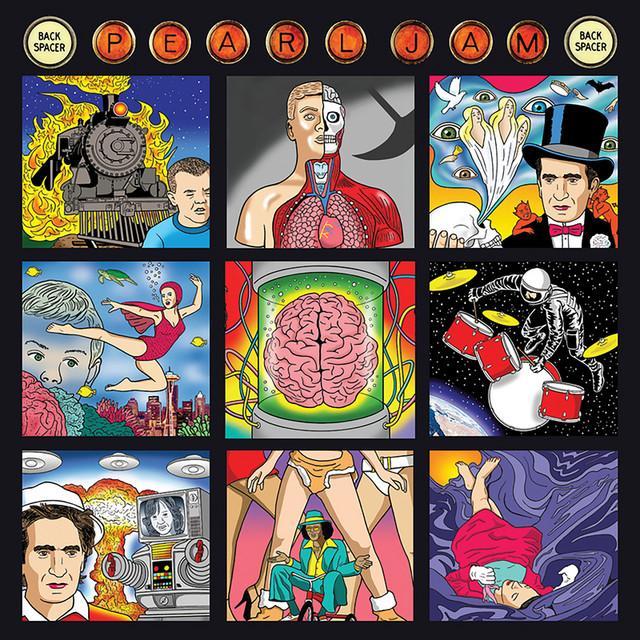
The End by Pearl Jam
Pearl Jam’s “The End” sounds small at first: soft guitar, bare space, and Eddie Vedder singing like he is trying not to break. But that quiet style hides a heavy subject. The meaning of The End Pearl Jam is rooted in mortality, regret, and the fear of leaving loved ones behind before things can be made right.
"The End" - Pearl Jam
Those many years ago?
What were all those plans we made now
Loading lyrics...
Unable to load lyrics
We're unable to display the lyrics at this time. Please try again later.
Released on Backspacer in 2009, the song stands apart from much of Pearl Jam’s louder catalog. It is not a protest anthem or a band workout. It is a private farewell.
A Goodbye Framed as a Confession
At its core, the song follows a speaker who believes death is close. They look backward at shared dreams, broken plans, and a relationship that once promised permanence. Early lines about old hopes being left behind suggest a life that did not unfold as expected.
That is why phrases like friends they come and go
hit so hard. The narrator is not talking about casual loss. They are measuring the difference between ordinary change and the bond they thought would last a lifetime.
Interpretation: The song feels less like an argument in the present and more like a final reckoning. The speaker is trying to explain who they were, what they failed to do, and what they still need emotionally before they die.
Watch the official The End
music video
The Voice in the Song: Ashamed, Afraid, Still Reaching
One of the strongest parts of “The End” is how conflicted the narrator sounds. They accept blame, but they also plead to be seen clearly. When the song says This is not me
, it suggests a person who feels changed by pain, illness, addiction, depression, or simple collapse.
The exact cause is never fully named. That ambiguity matters. It allows the song to speak to many kinds of personal ruin: physical sickness, emotional breakdown, or a long pattern of damage inside a family.
The line I know I'm worth your love
adds another layer. This is not only an apology. It is also a desperate claim to dignity. Even at the edge of death, the speaker wants to believe they are more than their worst failures.
A Family Scene Hangs Over Everything
The song grows more devastating when it shifts from romance to family. The narrator imagines leaving a partner behind with the kids on your own
. In plain terms, they fear not just dying, but abandoning the people who depend on them.
That detail turns the song from a private breakup ballad into something larger. It becomes about responsibility. The speaker is not only mourning lost love; they are grieving the future they will not get to help build.
Whisper in my ear
Give me something to echo
This brief moment captures the heart of the song. Before disappearing, the narrator wants one last human sound to carry forward. They want comfort, but they also want memory. If they cannot stay alive, maybe love can keep resonating after they are gone.
Images of Burial, Distance, and Silence
Pearl Jam builds the song’s meaning through simple but powerful images. The narrator says they are buried beneath the stones
, which suggests emotional suffocation before literal death. They are already trapped under the weight of guilt, illness, or hopelessness.
Another striking image places them at the bottom of a well, unable to see themselves clearly. That image suggests isolation and distorted self-knowledge. They are alive, but cut off from help, perspective, and maybe forgiveness.
Then comes the most painful detail: they cry out, but no one hears them before they disappear. This idea connects the whole song. The real terror is not only dying. It is dying misunderstood, emotionally distant, or too late to repair what matters.
Why the Music Matters So Much
The arrangement is crucial to the meaning of The End Pearl Jam. Built around acoustic guitar and spare accompaniment, the track avoids anything flashy. That choice leaves room for breathing, trembling, and silence.
Vedder’s vocal is especially important. He sings with restraint, almost as if pushing too hard would shatter the scene. That makes the song feel intimate rather than theatrical. According to the album credits, Vedder wrote the song, and that personal authorship fits its diary-like tone.
Interpretation: The production mirrors the narrator’s fading strength. Instead of rising into a huge cathartic climax, the song stays fragile, which makes the ending feel more believable and more human.
More Than Death: Two Strong Readings
There are at least two persuasive ways to hear the song.
Reading One: A literal final goodbye
The clearest reading is that the narrator is terminally ill and knows the end is near. References to sickness, bones, pain, and leaving family behind support that view.
Reading Two: The death of a self
A second reading is more symbolic. The song can also describe someone losing their identity through depression, addiction, or long-term emotional damage. In that version, “the end” is not only physical death. It is the collapse of the self they once hoped to be.
Both readings can exist together, and that overlap gives the song lasting power.
Why “The End” Still Hurts
What makes “The End” memorable is its honesty. Pearl Jam strips away irony and lets a frightened voice ask for love, witness, and mercy. The song does not offer a neat resolution. It only offers closeness in the face of loss.
For many listeners, that is the true meaning of The End Pearl Jam: a final attempt to be known before silence arrives.
Disclaimer: This interpretation is based on the lyrics, recording context, and public release information. As with most songs, listeners may hear meanings that differ from this reading.








