Why “Straight Ahead” Hits So Hard
The meaning of Straight Ahead Pennywise comes down to one tough idea: life is shaped by choices, and avoiding responsibility can turn frustration into self-destruction. Pennywise deliver that message without much softness. They sound like they are grabbing someone by the shoulders and telling them to wake up before it is too late.
"Straight Ahead" - Pennywise
You got the power to choose, you got the right to be
All the things you loathe, all the things you hate
Loading lyrics...
Unable to load lyrics
We're unable to display the lyrics at this time. Please try again later.
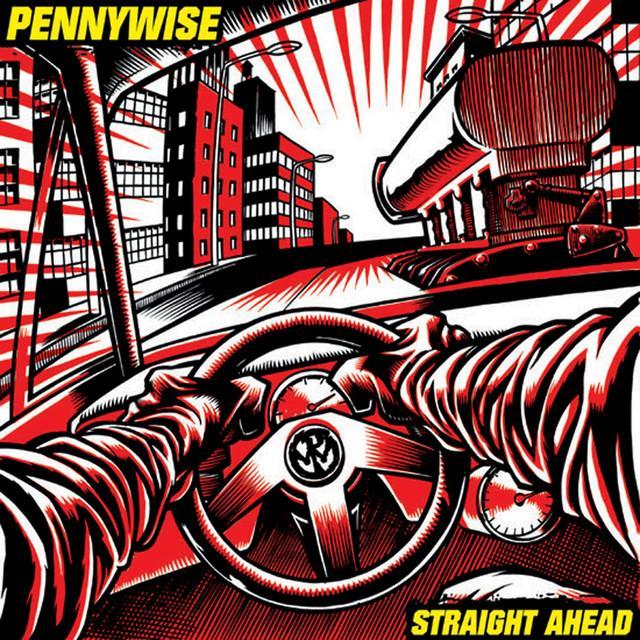
The song appears on Straight Ahead, Pennywise’s fifth studio album, released on June 1, 1999 through Epitaph. The record was produced by Darian Rundall and the band, and it came from the group’s established West Coast punk style: fast, melodic, and aggressive. The album also reached No. 62 on the Billboard 200, showing that this blunt kind of punk had a real audience in the late 1990s.
A Punk Warning, Not a Punk Fantasy
At its core, the song is about accountability. The verses list wants, needs, resentments, and excuses, then tie them together into a simple moral argument. If a person keeps feeding bitterness, that bitterness starts to define them.
That is why one key line, you got the power to choose
, matters so much. It frames the whole track. The speaker is not saying life is easy. They are saying agency still exists, even inside anger, boredom, or disappointment.
Interpretation: The title phrase suggests more than just moving forward. It means choosing a path with intention instead of drifting into habits that waste time and poison character.

Watch the official Straight Ahead
music video
Who They Are Talking To
The song uses a direct second-person address, even though the article’s point of view stays in third person. That choice makes the lyrics feel personal and confrontational. The speaker sees someone wasting potential and says so clearly.
The judgment shows up in phrases like wasting your time away
and you blame society
. Pennywise are painting a person who wants results without effort, then looks outward for someone else to blame.
That directness is important. Punk often critiques systems, but this song refuses to let the individual disappear inside that critique. It says social problems are real, yet personal decisions still matter.
How the Verses Build the Argument
The verses move in a tight cycle:
- They name desire: what someone wants from life.
- They name resentment: what someone hates or rejects.
- They point out avoidance: the refusal to take responsibility.
- They end with opportunity waiting nearby.
That last idea is one of the song’s strongest images. The line wait outside your door
suggests that change is not some distant dream. It is close. The tragedy is not that the person has no chance; it is that they refuse to open the door.
Interpretation: This image turns the song from pure scolding into a challenge. Pennywise are saying the future is available, but it requires action.
Why the Chorus Feels Like a Reckoning
The chorus is where the song becomes a warning. It says consequences do not fade just because someone wants relief. The phrase all your problems won’t go away
is brutally plain, and that plainness is the point.
Pennywise are not offering comfort here. They are rejecting magical thinking. If someone keeps making reckless choices, regret follows. The chorus then lands on the song’s hardest truth: It’s your fucking life
.
That line is not subtle, but it is effective. It strips away excuses and leaves only ownership. In a song this short and fast, that kind of repeated bluntness gives the message its force.
The Sound Pushes the Meaning Forward
“Straight Ahead” works because the music sounds like the message. Pennywise built their reputation on melodic hardcore and skate punk energy, and this track fits that mold. The guitars hit in fast, compact bursts, while the drums keep everything charging ahead.
There is very little space to relax. That matters. The song feels like motion, which mirrors its central demand: stop stalling and move.
A brief lyric excerpt shows how tightly the writing locks into that urgency:
Your decisions you will soon regret
Throw away your life
go straight ahead
Even there, the wording is sharp and stripped down. No poetic fog, no abstract storytelling. Just cause, effect, and command.
The Band Context Matters
Pennywise came out of the Southern California punk scene, and their songs often mix personal ethics with social frustration. On Straight Ahead, that approach is all over the track list, from songs about greed and identity to songs about pressure and disillusionment.
That context helps explain the meaning of Straight Ahead Pennywise. It is not a self-help anthem in a polished pop sense. It is a late-1990s punk song that believes discipline and self-respect are forms of survival.
The album itself was well received. Reviews highlighted its speed, power, and anger, which fits this track exactly. The song’s message lands because the band do not sound detached from it; they sound fully invested.
More Than Tough Love
There are at least two reasonable ways to read the song.
Interpretation 1: It is tough love. The speaker sees someone spiraling and tries to shock them into changing course.
Interpretation 2: It is also a criticism of passive victimhood. The lyric about blaming society does not deny outside problems, but it warns against using them as a permanent excuse for inaction.
Those readings can coexist. That is part of why the track has lasted for fans. It is angry, but not empty. It wants change, even if it delivers that wish in a harsh voice.
Why the Message Still Connects
What keeps the song relevant is its simplicity. Many people know the feeling of wanting more while doing less than they know they should. Many also know how easy it is to blame the world first and themselves second.
Pennywise turn that tension into a fast, confrontational anthem. They are saying that identity is not just something that happens to a person. It is also something they build through repeated choices.
In that sense, “Straight Ahead” is less about punishment than direction. It asks whether someone will keep feeding the worst parts of themselves or finally move with purpose.
Disclaimer: This interpretation is based on the released lyrics, the song’s musical style, and publicly available album context. As with most songs, listeners may hear meanings that differ from this reading.








