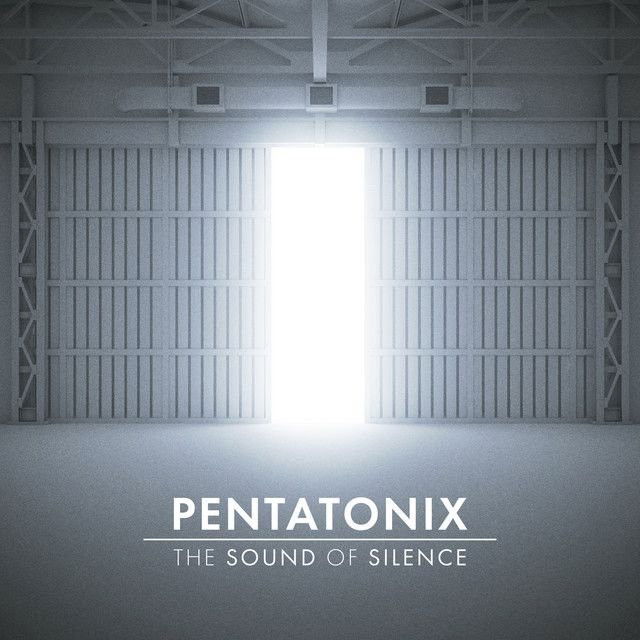
The Sound of Silence by Pentatonix
Why This Cover Still Feels So Heavy
The meaning of The Sound of Silence Pentatonix starts with a simple idea: people can be surrounded by noise and still fail to truly connect. Pentatonix did not write the song; Paul Simon did, and Simon & Garfunkel first recorded it in 1964. That original version later became a No. 1 hit after an electric remix, and the song has long been treated as a classic meditation on alienation and emotional distance.
"The Sound of Silence" - Pentatonix
I've come to talk with you again
Because a vision softly creeping
Loading lyrics...
Unable to load lyrics
We're unable to display the lyrics at this time. Please try again later.
In broad terms, Pentatonix keep that message intact. Their version highlights the song's loneliness by stripping the arrangement down to voices, breath, space, and tension. Instead of using a full band, they let harmony carry the drama. That choice matters because the song is about communication breaking down, and yet here it is delivered through close human voices.

Watch the official The Sound of Silence
music video
The Core Message Behind the Lyrics
At the center of the song is a speaker who feels cut off from the world. The opening image, Hello darkness
, does not just sound sad. It suggests that solitude has become familiar, maybe even easier than talking to other people.
From there, the lyrics move through a city full of people who seem busy but emotionally absent. Short phrases like people talking without speaking
and people hearing without listening
describe empty communication. They are speaking, but not sharing. They are hearing sound, but not receiving meaning.
Interpretation: In Pentatonix's version, those lines feel even sharper because the group use precise vocal layering. Their blend sounds beautiful, but the beauty is cold at first. That contrast reinforces the song's warning: polished surfaces can hide a deeper silence.
A Song About Modern Worship and False Connection
One of the strongest images in the song is the neon god
. The lyric points to people worshipping what they have made themselves: status, technology, spectacle, or modern distraction. In the 1960s, that image spoke to urban life, advertising, and social alienation. Today, many listeners hear it as a warning about screens, branding, and performative connection.
That is why the song keeps finding new audiences. Art Garfunkel once described it as being about people failing to communicate emotionally. That reading has shaped how many listeners understand it. Pentatonix do not need to update the words to make them current. The culture has caught up to them.
the words of the prophets
subway walls
tenement halls
This brief ending image suggests that truth does not always come from official voices. Sometimes it appears in ordinary places, among overlooked people, or in public spaces where society's stress is written out in plain sight.
How Pentatonix Change the Feeling
Voices Instead of Instruments
Pentatonix are known for a cappella production, and that approach reshapes the song's emotional weight. In many versions, instruments guide the mood. Here, the human voice becomes the whole sound world.
That changes the listener's experience in three ways:
- The silence feels closer.
- The harmonies sound like a crowd and a confession at once.
- The bass and vocal percussion add pulse without breaking the solemn mood.
Because there is no guitar strum or drum kit leading the arrangement, each held note feels exposed. The emptiness between phrases becomes part of the performance. That fits a song built on the paradox of sound and silence.
Dynamics Build the Meaning
Pentatonix also use dynamics carefully. They begin with restraint, then gradually widen the texture. As more voices enter, the arrangement grows from intimate to almost choral. That arc mirrors the song's movement from a private encounter with darkness to a public vision of mass disconnection.
Interpretation: Their swell in volume can be heard as society getting louder while understanding gets weaker. The song never becomes chaotic, but it does become heavier. That weight is emotional, not just musical.
Context Matters: Why the Song Is So Durable
Paul Simon wrote the song when he was young, and reports about its origin often mention his habit of writing alone in a bathroom for its echo and isolation. Simon & Garfunkel's original acoustic take appeared on Wednesday Morning, 3 A.M. in 1964, and producer Tom Wilson later oversaw the famous electric remix that reached No. 1 on the Billboard Hot 100 in early 1966. Over time, the song became a cultural touchstone tied to loneliness, city life, and failed connection.
That history matters for Pentatonix. When a group known for vocal precision covers a song already famous for its atmosphere, listeners expect reverence. Pentatonix answer that expectation by leaning into clarity rather than reinvention. They do not try to outwrite Simon. They try to reveal the ache inside the song.
Line-by-Line Meaning in Brief
A quick way to read the song is to follow its emotional path:
- The speaker starts alone and speaks to darkness like an old companion.
- A city scene shows modern life full of light, crowds, and distance.
- The crowd cannot truly connect, despite constant speech.
- The speaker tries to warn them, but the message falls flat.
- The ending suggests wisdom survives at the edges of society, not the center.
This structure is why the chorus idea, sound of silence
, works so well. It names a contradiction. Silence should mean no sound, yet here silence has presence, pressure, and power. It becomes the atmosphere of emotional failure.
Final Take on the Song's Meaning
The meaning of The Sound of Silence Pentatonix is not radically different from the original song's meaning. It is still about loneliness, failed communication, and the danger of mistaking noise for connection. What Pentatonix add is a more exposed, human texture. Their voices make the song feel less like a distant 1960s statement and more like a living warning.
For many listeners in the United States today, that is why the cover works. It sounds elegant, but it leaves a chill. It reminds them that a world full of messages can still be emotionally mute.
Disclaimer: This interpretation separates documented song history from critical reading. Meanings can vary by listener, performance, and personal experience.








