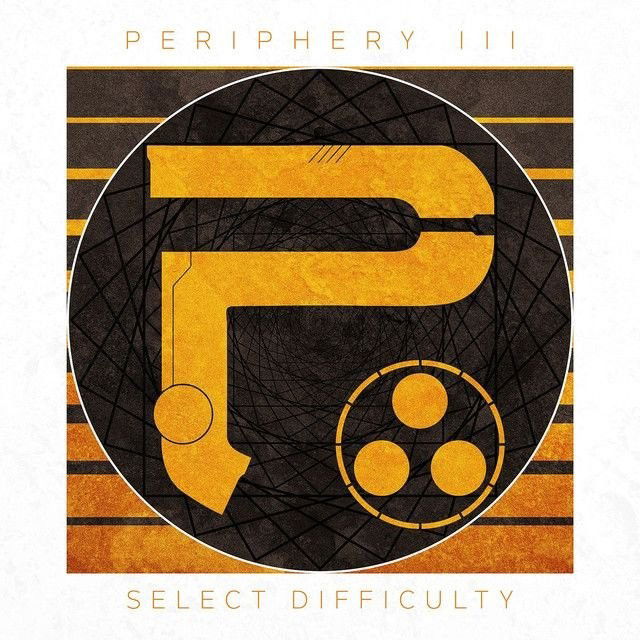
Lune by Periphery
Why This Periphery Song Feels So Different
For many listeners, the meaning of Lune Periphery stands out because it shows a softer side of a band better known for technical metal and sharp rhythmic twists. “Lune” closes Periphery III: Select Difficulty, released in 2016, and it has often been heard as one of the band’s most openly affectionate songs. That album and its track list are documented by Periphery’s label, Sumerian Records and major music databases like AllMusic.
"Lune" - Periphery
Like December burning up in the summer rays
But I'm not stumbling, like a pretender
Loading lyrics...
Unable to load lyrics
We're unable to display the lyrics at this time. Please try again later.
Instead of anger, chaos, or sci-fi dread, this song leans into devotion. Its speaker sounds like someone who has come through isolation and found emotional safety in another person. The result is a love song, but not a simple one. It feels hard-won.
Watch the official Lune
music video
The Core Meaning at the Center
At its heart, “Lune” is about rescue through love. The speaker begins in a place of confusion, pressure, and emotional coldness, then moves toward warmth, stability, and surrender. The key shift happens around the image of being found me in the cold
and then held in another person’s warmth. That move from distance to closeness gives the whole song its shape.
Interpretation: The lyrics suggest not just romance, but healing. The loved one is not presented as a fantasy figure. They are more like a grounding force who helps the speaker stay whole when the world feels noisy and invasive.
That is why the repeated promise to never let you go
lands so strongly. It is not just passion. It sounds like gratitude mixed with fear of losing something life-changing.
From Winter to Warmth
Periphery uses weather and seasonal images to show inner change. The opening mentions snow, December, summer rays, medicine, and cold. These details create a strange, almost dreamlike emotional climate. The world feels mixed up, as if the speaker’s inner state has scrambled normal logic.
That is important because the song is not written like a plain diary entry. It uses unstable images to show a mind under strain. Then it finds steadiness in touch, presence, and love.
A short multi-line moment captures that transition:
You found me in the cold, now I am
Wrapped within the warmth of your touch
Even here, the meaning is clear without needing more of the lyric: one person meets another at their lowest point and gives them a sense of shelter. In a Periphery song, that kind of direct tenderness is striking.
What the Verses Suggest About Mental Noise
The early lines describe physical and mental stress. The speaker has “heavy eyes,” hears “mouths” moving, and remembers others trying to get inside their head. Later, they say others chew on my brain
, which gives outside pressure a violent, invasive feel.
Interpretation: Those lines can be read as anxiety, burnout, or the effect of constant judgment. They may also suggest the speaker has spent too long around draining people. Either way, the song sets up a contrast between public noise and private safety.
That contrast helps explain another unusual phrase: I'll die in your rain
. Rain is usually cold or sad imagery, but here it feels welcome. Even difficult feelings become bearable if they are shared with the person the speaker trusts.
The Chorus Turns Love Into a Choice
The hook does more than repeat a romantic idea. It turns love into an action. The call-and-response around Do you feel the love?
and the commands to chase, hold, and keep it suggest that love is something they must protect, not merely feel.
That matters to the meaning of Lune Periphery because the song treats love as active work. It is not just chemistry. It is attention, loyalty, and staying power.
The chorus also widens the song’s emotional frame. In the verses, the speaker sounds isolated. In the hook, the emotion becomes shared and almost communal. By the end, the repeated plea of don't let go
feels both intimate and cathartic.
How the Sound Carries the Message
Production and arrangement play a huge role in why “Lune” feels so moving. Periphery is known for progressive metal, djent-style guitar work, and layered production, all well covered in band profiles from sources like Loudwire and Prog Magazine. But “Lune” uses those tools with unusual warmth.
The guitars still sound expansive, yet the song avoids the harsh, jagged attack heard elsewhere in the band’s catalog. The drums build patiently rather than overwhelm. Spencer Sotelo’s vocal performance is key: they move from restrained reflection to a soaring release that makes the song feel earned.
Interpretation: The arrangement mirrors the lyric arc. It begins in tension, then opens into something larger and brighter. By the final section, the repetition feels less like obsession and more like affirmation.
Artist Context Makes the Song Hit Harder
Periphery’s members are credited as writers on the track, including Jake Bowen, Matt Halpern, Mark Holcomb, Misha Mansoor, and Spencer Sotelo, with Adam “Nolly” Getgood also part of the song’s writing and studio identity during that era. Basic credits are reflected in album listings at Discogs and Genius.
Within that context, “Lune” lands as an emotional closer. On an album full of complexity and aggression, ending with devotion changes the listener’s final impression. It says Periphery’s heaviness is not only about force. It can also be about release, vulnerability, and relief.
A Reasonable Alternate Reading
There is also another way to hear the song. Interpretation: Some listeners may read it not as a straightforward love song, but as a song about recovery itself. In that version, the “you” could represent peace, sobriety, faith, or emotional stability rather than a romantic partner.
That reading fits the language of medicine, mental noise, coldness, and rescue. Still, the touch-focused imagery and the direct promises of staying close make the romantic reading the strongest one for most listeners.
What “Lune” Ultimately Means
In the end, the meaning of Lune Periphery is the story of someone pulled out of emotional winter by love and determined not to lose it. Its imagery is cloudy on purpose, but its feeling is direct: they were alone, someone reached them, and that connection changed everything.
That is why “Lune” remains one of Periphery’s most beloved songs. It proves that a progressive metal band can be technical and deeply tender at the same time.
Disclaimer: This interpretation is based on the released lyrics, musical context, and public band credits. As with any song, listeners may hear meanings that differ from the artist’s exact intent.









