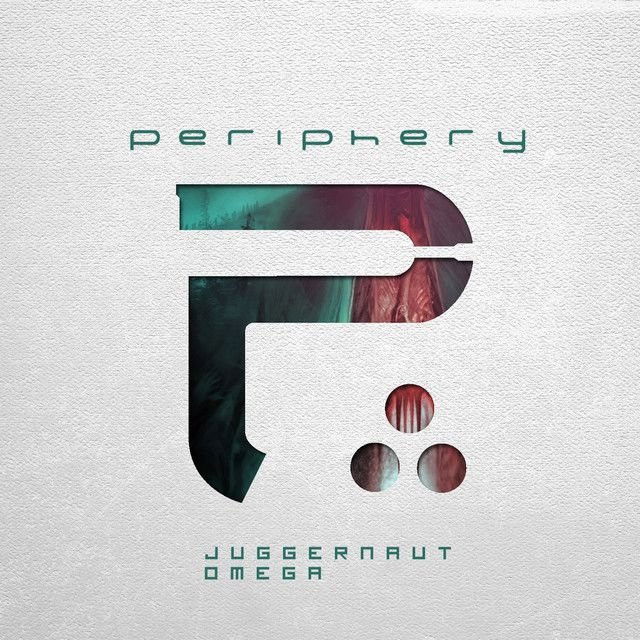
The Bad Thing by Periphery
They come to this track for the riffs, but stay for the reckoning. The meaning of The Bad Thing Periphery isn’t just about rage; it’s about what happens when rage meets a sudden window of clarity. The lyrics and arrangement turn anger into a study of control, temptation, and escape.
"The Bad Thing" - Periphery
To see it for what it really is.
There's an ugly face staring back demons are everywhere
Loading lyrics...
Unable to load lyrics
We're unable to display the lyrics at this time. Please try again later.
A Warning Flare in Progressive Metal
Periphery placed this song on their 2012 album Periphery II: This Time It’s Personal, a period where their blend of precision, melody, and polyrhythms sharpened. Here, the narrator peers through a crack in the world
and sees a harsher truth. That moment triggers violent fantasies but also a need to rise above them.
Across the track, they swing between disgust with hypocrisy and a search for air. The music follows suit, moving from tight syncopation to open, airy textures. That tension fuels the song’s pull.
Watch the official The Bad Thing
music video
What the Song Is Really Confronting
Interpretation: the song stages a battle with intrusive thoughts. When the narrator says demons are everywhere
, it’s less about literal monsters and more about internalized anger. The image snap the necks of the hypocrites
reads as vengeful fantasy—an ugly impulse the narrator is both tempted by and repelled from.
Then a counterforce appears: a will to transcend. The plea to transcend these boundaries
reframes the rage as something to move through, not unleash. Promises like better on the other side
suggest an imagined relief if they can get past the noise—though the song questions whether that promise is desire or delusion.
Voice, Target, and Turning Point
The voice is first-person, and the target shifts. At times, the world is the enemy—hypocrites, twisting tongues. At other times, the fight is inward, against the narrator’s own appetite for destruction. That dual focus is key to the meaning of The Bad Thing Periphery.
The turning point happens when escape fantasies darken. A “hole in the Earth” looks like a grave, and the narrator feels buried alive
. The wish to get away starts to resemble self-erasure. In response, the song leans into breath and height—trees, holy air, and distance. This isn’t a neat redemption, but a hard pivot toward restraint and perspective.
Symbols, Decoded
- Crack/Hole in the Earth: A rupture in perception. The crack offers clarity; the hole tempts a permanent exit. One is insight, the other is oblivion.
- Mountains and Hypocrites: A fantasy of nature punishing phoniness. It’s a projection of anger, not a plan of action—evidence of how far the mind can drift when stoked by disgust.
- Trees/Holy Air: The wish to get above the fray. Air and height symbolize a calmer vantage point where the self can breathe.
- Door/Desire/Insanity: The lyric frames relief as a doorway but asks if “desire” and insanity are the same knock. The ambiguity keeps the song honest.
- Soil/Grave: The cost of escape. When solace looks like burial, the narrator realizes some exits are traps.
Sound and Production: Precision as Catharsis
Periphery’s hallmarks—staccato, low-tuned riffs; layered guitars; and off-kilter grooves—mirror the narrator’s agitation. The drums snap through shifting accents, keeping the listener slightly off balance. That rhythmic unease translates the tug-of-war inside the lyrics.
When the arrangement opens, clean guitars and more spacious harmonies arrive like a lungful of air. The vocals lift without losing grit, underscoring the move from fixation to perspective. Bass and rhythm guitars lock tightly, giving the chorus a firm floor so the melodic lines can reach up. It’s a sonic version of climbing for oxygen.
This contrast—compressed aggression against lifted release—does the thematic heavy lifting. The song never glorifies the violent images; it contains them inside a structure that points upward.
Alternate Angles and Final Take
Interpretation: one can hear a mental health parable. The violent visions are intrusive thoughts; the “other side” is hard-won calm. The refrain to transcend these boundaries
becomes a coping strategy.
Another reading treats it as scene critique: the “hypocrites” could be industry figures or online gatekeepers, and the narrator’s fantasies mock performative purity. The climb to air is a refusal to let cynicism dictate their art.
Either way, the meaning of The Bad Thing Periphery lands here: they face the worst in themselves, then choose distance over detonation. The rage is real, but the song argues that clarity—and breath—are stronger.
Disclaimer: Song meanings are interpretive and may differ from artist intent or listener experience.










Cool!!! ?