
From Street Joy to Silent Awe: Perry Como’s Nativity Arc
They don’t just hear Christmas in this medley—they travel through it. Perry Como’s “Medley: Caroling, Caroling / The First Noel / Hark! The Herald Angels Sing / Silent Night” leads from doorstep cheer to sacred stillness. For readers searching the meaning of Medley: Caroling, Caroling / The First Noel / Hark! The Herald Angels Sing / Silent Night Perry Como, the sequence itself is the message.
"Medley: Caroling, Caroling / The First Noel / Hark! The Herald Angels Sing / Silent Night" - Perry Como
Christmas bells are ringing
Caroling, caroling through the snow
Loading lyrics...
Unable to load lyrics
We're unable to display the lyrics at this time. Please try again later.
A Four-Scene Journey in One Continuous Breath
The medley opens with street-life sparkle. Neighbors gather, and Christmas bells are ringing
. Those bells signal a shared start: community, welcome, and the act of singing together.
Then the scene shifts to scripture. “The First Noel” moves the story into the fields, where humility carries the news. By the third section, angels proclaim the reason for joy. The final carol dims the lights, settling into a cradle-side hush.
Interpretation: The structure moves from public celebration to private devotion. Como guides listeners from the town square to Bethlehem, then to the manger’s quiet.
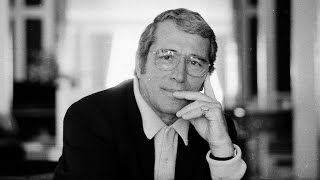
Watch the official Medley: Caroling, Caroling / The First Noel / Hark! The Herald Angels Sing / Silent Night
music video
Who’s Speaking, and to Whom?
Each carol adjusts the narrator. The opener is a chorus of neighbors—joyous voices
meant to cheer the weary. In “The First Noel,” the focus turns to shepherds, ordinary people entrusted with an extraordinary message. “Hark!” is the angelic call to the whole world. “Silent Night” becomes a lullaby addressed to the holy child.
Interpretation: The medley widens and then narrows its audience—first everyone, then witnesses, then all nations, and finally one sleeping infant—making the birth feel both cosmic and intimate.
The Story Beats, Step by Step
- Carolers announce joy in the present: the party is already here.
- Shepherds receive the first report—simple, spare, grounded in the cold night.
- Angels turn news into proclamation for every nation.
- The room goes quiet; devotion replaces noise.
A compact refrain like Noel, Noel
bridges these moves. It’s both celebration and signpost: the King has arrived.
The Heart of the Message
At the center sits a line of reconciliation. The angels’ song names the gift as restored relationship—God and sinners reconciled
. It’s not only seasonal warmth; it is the core of the Christian nativity.
Hark! the herald angels sing "Glory to the newborn King!"
These two lines set the medley’s compass. Interpretation: Joy isn’t vague cheer. It has a subject—the newborn King—and a purpose—peace.
How the Sound Carries the Meaning
Como’s baritone anchors the transitions. The first section is crisp and bright, with light percussion, bells, and choir. The middle hymns grow stately and major-key confident, often supported by strings and full choral harmony. By the close, the arrangement thins and softens.
That last descent matters. When Como reaches the cradle scene and the words suggest sleep in heavenly peace
, the dynamics fall, the tempo breathes, and the choir becomes cushion rather than lead. Interpretation: Orchestration mirrors the narrative—from open-air festivity to candlelit hush—making listeners feel the journey in their bodies.
Why These Four, and Why This Order?
“Caroling, Caroling”—written by Alfred Burt and Wihla Hutson—brings mid‑century American sparkle and neighborly goodwill. “The First Noel” ties the set to English carol tradition and the shepherds’ role. “Hark! The Herald Angels Sing,” with lyrics by Charles Wesley and a melody adapted from Felix Mendelssohn, lifts the theology into public proclamation. “Silent Night,” by Joseph Mohr and Franz Xaver Gruber, resolves the night with tenderness.
Interpretation: Como (and his arrangers) create a liturgy in miniature. The set moves from gathering (processional) to word (the news) to proclamation (angels) to sacrament-like quiet (adoration). Listeners can enter at any point, but the arc invites reflection.
For Every Listener: Faithful, Festive, or Both
Some play this medley as a backdrop for decorating, others for midnight reflection. It works either way. Even for those who don’t share the faith, the design conveys a human rhythm: community, story, proclamation, rest. For those who do, it compresses the nativity’s hope into six minutes of movement and hush.
The Takeaway
This medley is a map. It starts on a snowy street, arrives at a manger, and leaves the room in peace. That path—joy announced, hope explained, calm received—is why Como’s version endures.
Interpretation note: Meaning is inferred from lyrics, sequencing, and common performance practice; individual experiences may vary.








