Why "Papa Loves Mambo" Still Swings
When people search for the meaning of Papa Loves Mambo Perry Como, they usually find a song that seems simple on the surface: a cheerful dance number about a man, a woman, and a night of movement. But the deeper appeal is not really plot. It is energy. The song turns dancing into a symbol of romance, youth, and togetherness.
"Papa Loves Mambo" - Perry Como
Mama loves mambo
Look at 'em sway with it
Loading lyrics...
Unable to load lyrics
We're unable to display the lyrics at this time. Please try again later.
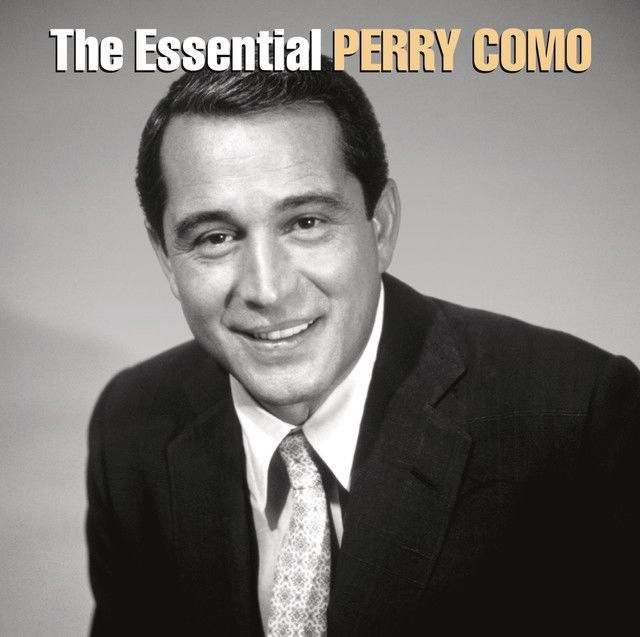
Recorded by Perry Como in 1954, the tune became one of his best-known upbeat hits during the U.S. mambo craze. According to the Rock & Roll Hall of Fame, Latin rhythms had a strong effect on American popular music in the 1940s and 1950s. Perry Como, long known for a smooth and relaxed style, brought that trend into mainstream pop with a light touch that felt friendly rather than flashy.
A Dance Song That Is Really About Romance
At its core, the song is about two adults reconnecting through dance. The repeated idea that Papa loves mambo
and Mama loves mambo
is more than a cute slogan. It shows a couple sharing the same pulse.
The words describe them swaying, missing each other on the dance floor, and then finding the excitement again. That is why the lyric about being younger than spring again
matters so much. The song suggests that dancing can bring back the feeling of courtship, even in a familiar relationship.
Interpretation: The song is not just praising mambo as a style. It is using mambo as shorthand for renewed affection. In other words, this couple does not only love the dance; they love what the dance does to them.
Watch the official Papa Loves Mambo
music video
How the Lyrics Build That Idea
The lyric writing by Al Hoffman, Dick Manning, and Bix Reichner is playful and visual. It keeps the language simple, but each image adds to the same emotional point.
First, the song frames both partners as equally caught up in the moment. It is not one person dragging the other onto the floor. Instead, each is excited by the same beat.
Second, the verses add comedy. One goes one way, the other goes another, and for a moment they are out of sync. The brief line about nowhere in sight
turns that mismatch into a joke, not a crisis. Their separation lasts only long enough to make their reunion sweeter.
He goes to, she goes fro
He goes fast, she goes slow
These lines matter because they show difference inside harmony. They are not identical people. They have different styles and speeds. Yet the song treats those differences as part of the fun of partnership.
The Chorus Turns Movement Into Feeling
The hook is catchy because it is direct, but it also carries the whole message. Every time the title returns, the song resets the scene around desire, rhythm, and play.
A key moment comes when the lyric warns, in effect, not to switch to another dance because Papa wants this shared connection tonight. The brief phrase don't let her rumba
is not a serious command. It works like teasing. The joke is that mambo has become the language of closeness, so any other rhythm feels like a distraction.
Interpretation: The chorus says that love here is active, social, and physical in the innocent sense of dancing shoulder to shoulder. The song celebrates chemistry without becoming heavy or dramatic.
Perry Como's Style Explains the Song's Charm
Perry Como was famous for warmth and ease, a reputation noted by Encyclopaedia Britannica. That matters for the meaning. If a more aggressive singer had cut this song, it might have sounded boastful. Como makes it sound welcoming.
They deliver the lyric with a smile in the voice. The playful spoken interjections and relaxed swing keep the mood loose. Rather than selling the mambo as exotic spectacle, the performance makes it feel like a neighborhood good time.
That choice shapes interpretation. The song is less about nightlife glamour than about ordinary people feeling suddenly alive.
How the Arrangement Sells the Story
The production supports the lyric at every step. The rhythm section leans into a Latin-inflected bounce while still staying inside 1950s vocal pop. Bright brass accents, a danceable pulse, and responsive backing vocals all make the track feel communal.
This is important because the arrangement never lets the song become abstract. The listener can almost picture the floor, the steps, the turns, and the laughter. The music acts out what the words describe.
Sound Clues That Matter
- The beat stays light and steady, which keeps the mood playful.
- The brass gives the record lift and celebration.
- The call-and-response vocals mimic a social dance floor.
- Como's unhurried phrasing makes the flirtation sound natural.
Together, those choices turn a novelty-style premise into something warmer and more lasting.
Why the Song Connected in 1954
The song arrived at a moment when American pop audiences were open to dance crazes and cross-cultural rhythm trends. Mambo had already moved from Cuban music into U.S. ballrooms and popular entertainment, with figures like Pérez Prado helping drive its visibility, as documented by the Library of Congress.
Within that context, "Papa Loves Mambo" gave mass audiences an easy entry point. It did not ask listeners to master the history of the style. It asked them to enjoy the excitement. That helps explain the song's broad reception and long afterlife on oldies radio.
A Simple Song With a Lasting Meaning
So what is the meaning of Papa Loves Mambo Perry Como? Most clearly, it is a celebration of how music and dance can refresh love. Its couple feels energized, flirtatious, and briefly young again because rhythm pulls them together.
Interpretation: A second reading is that the song gently celebrates mature romance. "Papa" and "Mama" sound domestic and familiar, but the music insists that familiar does not mean dull. Partnership can still sparkle.
That is why the song endures. It captures a happy truth in very few words: shared joy can make people feel new.
Disclaimer: This interpretation separates documented facts about the recording and era from critical reading of the lyrics. Meaning can vary from listener to listener.







