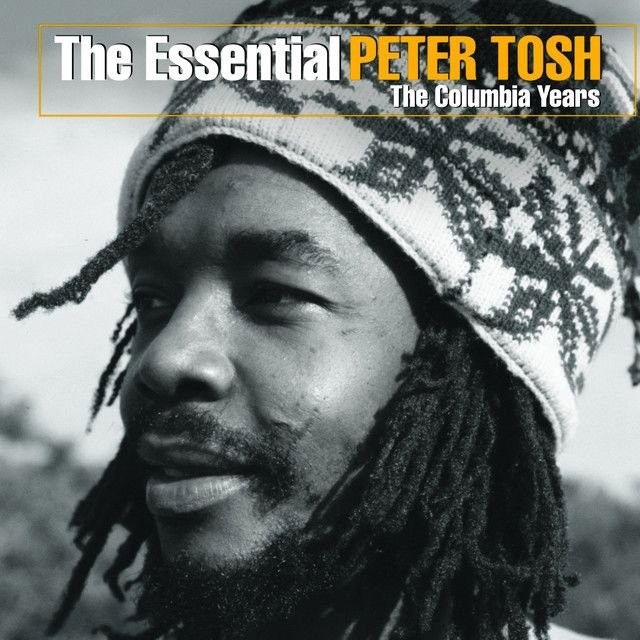
Ketchy Shuby by Peter Tosh
A playful song with a sly wink
The meaning of Ketchy Shuby Peter Tosh becomes clearer once they stop looking for a literal definition. This is not a story song with a fixed plot. It is a flirtatious reggae groove built around a nonsense-sounding phrase that acts like a private code.
"Ketchy Shuby" - Peter Tosh
And when me shuby, you feel ketchy
And when you ketchy, don't make it drop
Loading lyrics...
Unable to load lyrics
We're unable to display the lyrics at this time. Please try again later.
Peter Tosh was one of reggae's most important voices, first with The Wailers and then as a solo artist, known for both militant political songs and looser, sensual tracks. Biographical overviews from the Rock & Roll Hall of Fame and Encyclopaedia Britannica show that range well. In this song, they hear Tosh leaning into charm, rhythm, and double meaning rather than protest.
The core idea is simple: two people are being invited into a shared dance, game, or intimate ritual. The repeated phrase ketchy-ketchy, shuby-shuby
works less like a dictionary term and more like a feeling. It sounds physical, catchy, and playful, which is exactly the point.
Watch the official Ketchy Shuby
music video
What the lyrics are really doing
Invitation first, explanation second
The opening lines frame the song as an invitation to join in. When Tosh sings come make we play
, the mood is social and teasing. They are not hearing a lecture. They are hearing someone set the terms of a fun experience.
That is why the song spends so much time repeating the central phrase. Repetition in reggae often creates trance, groove, and community. Here, it also creates mystery. The listener does not need a precise meaning because the chant itself becomes the action.
The song uses coded language
A lot of the lyric depends on suggestive warnings and playful instruction. When the singer says don't make it drop
and then warns it will pop
, the language sounds comic on the surface. Interpretation: that sequence likely hints at fragility in a sexual or romantic encounter, turning physical tension into a joke.
The next thought deepens that joke by saying damage cannot easily be fixed. In plain terms, the song presents this shared act as exciting but delicate. That gives the track a mischievous edge without becoming graphic.
It don't take too long to learn
Just you do as I say
This brief passage matters because it shifts the song from pure dance chant to instruction. The speaker becomes a guide, promising that the other person will quickly understand the rules. Interpretation: that can describe literal dancing, but it can also suggest seduction and learning physical intimacy.
Desire, rhythm, and a little rebellion
One of the most revealing details is the mention that your mama don't like it
. That line introduces outside judgment. Suddenly, this is not just private fun. It is something older authority figures may see as improper.
That small detail adds tension. It suggests youth, rebellion, and freedom from social rules. In many reggae songs, pleasure and resistance sit close together. Here, Tosh turns that contrast into something light: the thing parents dislike is exactly the thing that feels exciting.
The line about waiting a long time also matters. It implies desire has been building. So the song is not random partying. It is about anticipation finally turning into action, with the nighttime setting making everything feel more intimate.
How the sound supports the meaning
Reggae as body language
Even without a full production breakdown, the genre gives strong clues. The song is rooted in reggae, a style defined by offbeat guitar accents, deep bass, and a laid-back but insistent pulse. General reggae histories from the Smithsonian and BBC explain how rhythm carries social and physical meaning.
That matters here because the lyric is intentionally simple. The groove does much of the storytelling. A phrase like all night long
lands not as plot detail but as a bodily promise. The band feel would make that line sound less like information and more like an invitation to stay in motion.
Tosh's vocal style also helps. They often hear him mix authority with ease. He does not sound confused by the coded language; he sounds fully in control of it. That confidence makes the song feel like a performance of seduction through rhythm.
Two strong ways to read "Ketchy Shuby"
Reading one: a dance song
On the most direct level, this is a party record. The lyrics talk about learning, repeating moves, and doing something together through the night. The made-up phrase acts like a dance craze title, similar to many pop and reggae songs built around a signature move.
Reading two: a sexual metaphor
Interpretation: the stronger reading is that the dance language doubles as erotic language. The warnings, the instruction, the mention of parents, and the emphasis on mutual enjoyment all point that way. Tosh keeps it coded, which lets the song stay playful rather than explicit.
The best answer may be that both readings are true at once. Many great groove songs live in that overlap, where dancing and desire become hard to separate.
Why the song still stands out
The meaning of Ketchy Shuby Peter Tosh lies in how cleverly it turns nonsense into suggestion. Tosh creates a phrase that means almost nothing on paper, yet means plenty in performance. It becomes movement, flirtation, and nighttime freedom all at once.
That is also why the song fits his catalog in an interesting way. It shows that even an artist famous for serious convictions could make room for humor, sensuality, and sheer musical fun.
Final takeaway
In the end, "Ketchy Shuby" is best heard as a playful reggae invitation with clear double meanings. It celebrates connection, rhythm, and the thrill of doing something that feels just a little forbidden.
Disclaimer: Song meaning is always part fact, part interpretation. This reading is based on the lyrics, Peter Tosh's artistic context, and the musical style of the track.