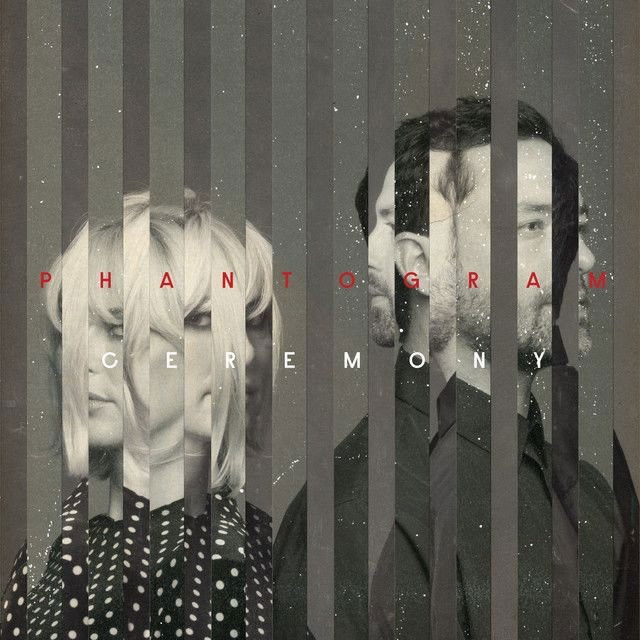
Why 'Pedestal' by Phantogram Hurts So Much
The meaning of Pedestal Phantogram centers on a hard truth: loving someone is not the same as idealizing them. In this song, they sketch a relationship where care, desire, and fantasy start to blur. What first feels healing slowly becomes exhausting.
"Pedestal" - Phantogram
I'm not afraid of the scars, they ain't ugly
I can heal it all if you're lucky
Loading lyrics...
Unable to load lyrics
We're unable to display the lyrics at this time. Please try again later.
Phantogram have long worked in the space between dream-pop haze and electronic tension. The New York duo, made up of Sarah Barthel and Josh Carter, are known for mixing airy vocals with sharp beats and moody synths, a style often described as electronic rock, dream pop, and trip hop. That background matters here because the song’s emotional conflict lives in that same in-between state: tender but cold, intimate but unstable.
The Heart of the Song Is Unequal Love
At its core, “Pedestal” is about what happens when one person becomes a rescuer and the other becomes an idea. The opening images suggest emotional damage, but also the urge to make pain look beautiful. When the narrator suggests they can make a wound-filled place feel livable, they are really trying to transform a broken bond into something romantic.
That is where the title becomes crucial. To put someone on a pedestal is to raise them too high. It sounds loving, but it can erase reality. The repeated phrase this pedestal
is less a compliment than a warning. The song asks whether this kind of love is even healthy.
Interpretation: The chorus sounds like self-questioning. Instead of saying devotion is noble, it wonders if intense worship is actually a mistake. The line was in love with you
carries sadness because it sounds like they already know that love has changed shape.
Watch the official Pedestal
music video
A Speaker Torn Between Comfort and Truth
One of the song’s strongest ideas is that closeness can hide deeper incompatibility. The verse about staying under covers presents a private world where two people can avoid outside reality. But that shelter does not solve the real problem. Soon the song admits they do not see life the same way.
The phrase same colors
is especially revealing. It suggests more than disagreement. It points to different emotional realities, different values, or different needs. Even if the pair share a bed, they do not share the same vision.
That mismatch leads to a turning point. The narrator realizes a choice must be made. They can leave or remain, but either path means loss. When they describe givin' up a fight
, it feels less like defeat by another person and more like surrendering a fantasy they can no longer maintain.
The Story Moves From Repair to Release
The song’s narrative is simple but effective:
- First, they try to heal what is damaged.
- Then, they retreat into intimacy and denial.
- Next, they admit their perceptions do not match.
- Finally, they accept that love alone cannot fix the gap.
That structure gives the song its emotional pull. It begins with confidence, almost a promise to save the relationship. By the end, the speaker sounds unsure, wounded, and honest.
When I put you on this pedestal
Is that what you're supposed to do?
Those lines capture the song’s central tension. The narrator is not only questioning the other person. They are questioning their own idea of love.
The Symbols Make the Feelings Clearer
Phantogram use a few sharp images to deepen the message without overexplaining it.
Hospitals, scars, and caretaking
The hospital image suggests a place of hurt and recovery. Scars are proof of damage, but also survival. When the narrator says the scars are not ugly, they seem to accept pain as part of loving someone. Still, the urge to beautify suffering hints at denial.
Covers and lucid dreams
These images create a soft, protected space. Under the covers, reality can be postponed. Lucid dreams suggest control over fantasy, as if they can shape a better world inside the relationship. But dreams cannot last forever.
Colors and the door
Color becomes a symbol for perspective. The door image feels more urgent. Something outside is scratching to get in, which could represent truth, conflict, or the life they have been avoiding.
Why the Sound Matters So Much
Phantogram’s music often relies on pulsing drums, layered synths, guitar textures, and floating vocals, and that approach supports the song’s meaning well. According to widely cited band profiles, Barthel and Carter built their identity around rhythmic beats, swirling guitars, spacey keyboards, and airy vocal lines. That recipe naturally fits a song about seduction giving way to disillusionment.
In “Pedestal,” the likely effect is contrast. The dreamy tone invites the listener into the fantasy, while the beat and repetition keep pressing on the emotional bruise. The chorus probably lands hardest because repetition mirrors obsession. Each return to the question feels like a fresh wave of doubt.
Interpretation: The production may be doing what the lyrics describe. It makes pain sound beautiful, just as the narrator tries to make a damaged relationship feel lovely.
Where This Fits in Phantogram’s World
Phantogram have spent years writing songs that balance beauty with unease. As a duo from Greenwich, New York, they built a career on merging pop hooks with shadowy atmosphere. Their catalog often explores distance, craving, memory, and emotional disorientation.
That context helps explain why “Pedestal” feels so believable. They are skilled at writing songs where a listener can dance to the beat while sitting with something emotionally complicated. This track follows that pattern: it is catchy on the surface, but uneasy underneath.
Final Take on the Meaning
The meaning of Pedestal Phantogram is not just about heartbreak. It is about the danger of confusing love with worship, care with rescue, and intimacy with true understanding. The song shows a speaker waking up to the fact that devotion cannot erase difference.
That is what makes it sting. They are not simply losing a person. They are losing the story they told themselves about that person.
Disclaimer: This interpretation is based on the lyrics, Phantogram’s known style, and available song context. As with any song, meaning can remain open to listener interpretation.









