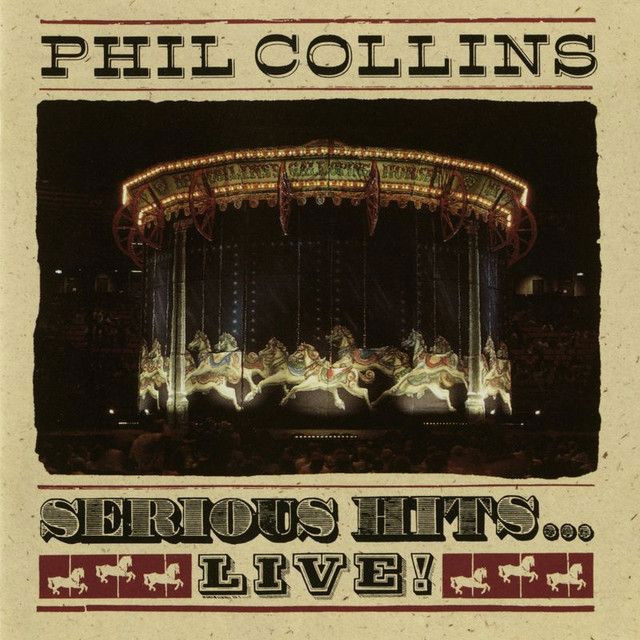
Against All Odds by Phil Collins
A breakup song built on one impossible hope
The meaning of Against All Odds Phil Collins starts with a simple but painful situation: one person has been left behind, and they cannot accept that the relationship is over. The song is not really about anger. It is about shock, grief, and the tiny, stubborn hope that the other person might still come back.
"Against All Odds" - Phil Collins
Just let you leave without a trace?
When I stand here taking every breath with you, ooh
Loading lyrics...
Unable to load lyrics
We're unable to display the lyrics at this time. Please try again later.
Phil Collins wrote the song, and it was recorded for the 1984 film Against All Odds. According to widely cited background on the song, it began from an earlier Collins idea and was reshaped for the movie, while also drawing power from his own breakup experiences. It became his first solo No. 1 on the U.S. Billboard Hot 100 and won the Grammy for Best Pop Vocal Performance, Male. Those facts matter because they show how a very personal feeling was turned into a huge mainstream ballad.

Watch the official Against All Odds
music video
The emotional core is abandonment, not romance
At its center, the song speaks from the moment after a breakup, when the loss still feels unreal. The narrator is watching someone leave and cannot understand how a shared life can end so quickly. Early lines make that clear with phrases like walk away
and without a trace
. These are simple words, but they carry a harsh idea: love has vanished so completely that even evidence of it seems to be disappearing.
The song keeps returning to one key claim: this other person truly knew the speaker. When Collins sings really knew me
, the pain gets deeper. The breakup is not just the loss of a partner. It is the loss of the witness to his life, the person who saw him fully. That is why the song hurts so much. It treats love as emotional recognition, not just attraction.
How the verses move from disbelief to reality
The verses follow a clear emotional path:
- First comes disbelief. He cannot understand how this person can leave.
- Then comes memory. He reminds them of shared joy and shared pain.
- Finally comes helplessness. He cannot change their mind, only watch.
That movement gives the ballad its force. The narrator is not telling a long story with details. Instead, they circle the same wound from different angles. This repetition mirrors real heartbreak. People in pain often replay the same questions because they have not found an answer.
The chorus turns loss into a hard truth
The chorus is where the song states its theme most clearly. The phrase empty space
works as both a literal and emotional image. The room feels empty, but so does the self. Love used to fill that space; now absence does.
take a look at me now
empty space
against all odds
This is the song’s emotional pivot. He wants to be seen in his broken state, but he also admits that reunion is unlikely. Interpretation: that tension is the whole point. The song lives between acceptance and refusal. He knows the odds are bad, yet he still chooses hope.
Why the title matters so much
The title phrase does more than sound dramatic. It tells listeners that the singer understands reality. He is not saying reconciliation is likely. He is saying it is almost impossible. That honesty keeps the song from becoming sentimental in a cheap way.
In other words, the hope in the song is not naive. It is wounded hope. That is why the ballad still connects with listeners in the United States and beyond. Many breakup songs either beg or move on. This one does both at once: it begs while admitting the facts.
The sound makes the heartbreak feel huge
Part of the meaning of Against All Odds Phil Collins comes from its production. The recording pairs Collins’ voice and drums with Rob Mounsey’s piano and keyboards, plus Arif Mardin’s orchestral arrangement. The result is a power ballad that feels intimate at first and then emotionally massive.
The piano gives the song its bare, private feeling. It sounds like someone sitting alone with thoughts they cannot escape. Then the strings arrive and widen the emotion, making private grief feel cinematic. That fits the song’s film origin, but it also helps explain why it crossed over so well from soundtrack single to radio staple.
Collins’ vocal performance is also crucial. They sing with strain, not polish alone. He does not sound cool or detached. He sounds exposed. That slightly cracked urgency tells the listener this is not a performance of sadness; it is a plea.
Context from Phil Collins’ career
The song landed at a key moment in Collins’ solo rise in the 1980s. After Face Value had already shown how well he could turn personal pain into pop songs, this track proved he could do it in a more direct, cinematic form too. Critics and retrospective rankings often place it among his defining solo songs, and its chart run helped lock in that reputation.
Its cultural afterlife also matters. Covers by artists including Mariah Carey and Westlife show how adaptable the song is. Yet most versions keep the same core feeling: heartbreak mixed with impossible hope. That emotional design is the reason the song survives beyond its film tie-in.
A strong reading of the song’s meaning
Interpretation: the song is about the stage of grief where love is over in practice but not over emotionally. The speaker has enough clarity to see the truth and not enough distance to let go. That is why the repeated appeal to be seen matters so much. He is asking for one more look, one more chance, and maybe one more confirmation that what they had was real.
That mix of vulnerability, realism, and longing is what makes the song endure. It is not just sad. It is sad in a way that feels honest.
Final takeaway
For most listeners, the meaning of Against All Odds Phil Collins is the pain of being left by the one person who knew them best, along with the fragile belief that love might still return. The lyrics, the piano, the swelling strings, and Collins’ pleading voice all point to the same idea: heartbreak can know the truth and still hope anyway.
Disclaimer: This interpretation is based on the song’s lyrics, recording context, and public commentary, but meaning in music can remain personal and open to different readings.









