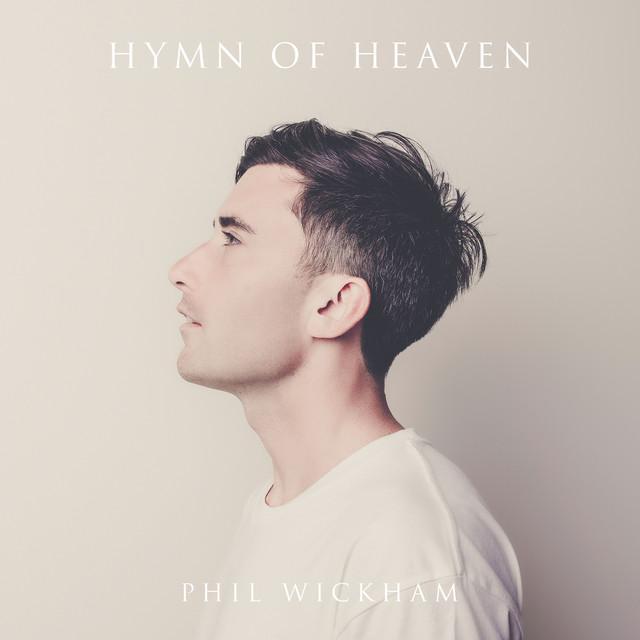
Where I'm Standing Now by Phil Wickham, Brandon Lake
The meaning of Where I'm Standing Now Phil Wickham, Brandon Lake centers on spiritual rescue, gratitude, and public testimony. The song is not subtle about its message: it looks back at bondage, looks at the present moment, and celebrates freedom through Jesus. In simple terms, it is a worship song about transformation.
"Where I'm Standing Now" - Phil Wickham ft. Brandon Lake
Into Your deliverance
Look where I'm standing now
Loading lyrics...
Unable to load lyrics
We're unable to display the lyrics at this time. Please try again later.
Phil Wickham and Brandon Lake both work in modern worship, where songs often turn private faith into a shared church anthem. That context matters. This is not written like a diary entry full of doubt. It is written like a declaration meant to be sung by many voices at once.
The Core Message Hiding in Plain Sight
At the heart of the song is a before-and-after story. The verses describe a past marked by struggle and captivity, then move into a present defined by freedom and praise. When the singer says Look where I'm standing now
, they are doing more than noticing a change. They are pointing to a miracle they believe has already happened.
The track frames salvation as a real shift in position. The speaker was once trapped, but now stands in safety, belonging, and victory. That is why the song keeps returning to physical images like standing, lifting hands, and being led forward. The body itself becomes proof of an inner change.
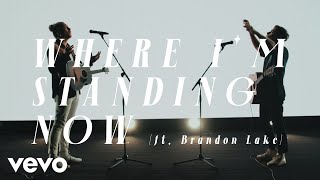
Watch the official Where I'm Standing Now
music video
From Wilderness to Freedom
One of the strongest ideas in the lyric is movement. The opening image, Out of the wilderness
, suggests a hard season of confusion, loneliness, or spiritual dryness. Right after that comes deliverance. In biblical language, that move echoes stories of Israel, exile, and return.
Later, the song mentions being led by a mighty hand into a promised land. That deepens the theme. This is not freedom by self-help or willpower. It is freedom received from God. For listeners in church settings, the message is clear: the present blessing is connected to a larger biblical story.
Chains, Rescue, and a New Identity
The song also uses direct images of captivity and release. The line about hands once being chained, now raised in praise, gives the song one of its most vivid contrasts. A person who could not move freely can now worship freely.
That shift reaches its emotional peak in the repeated phrase Hallelujah, I'm free
. The lyric is simple on purpose. In worship music, repetition is often used to move truth from the mind into the body and voice. Here, repetition turns doctrine into celebration.
What the Chorus Says About Jesus
The chorus explains where that freedom comes from. It stacks descriptions of Jesus as chain-breaking
, miracle-working, life-giving, and welcoming to the lost. Each title widens the song's scope. This is not just about one person's relief. It is about the power of Jesus across many kinds of need.
On the chain-breaking
Powerful name of Jesus
That short section sums up the song's theology. The singer is not standing on their own strength, improved behavior, or emotional resolve. They are standing on what they believe Jesus has done. Interpretation: this is why the song feels so stable and bold. Its confidence is rooted outside the self.
Why the Song Feels So Triumphant
The production reinforces the lyric's testimony structure. Like many songs in Wickham's Hymn of Heaven era, it builds from reflective verse into a large, communal chorus. The arrangement favors steady drums, bright keys, rising guitars, and a vocal style designed for congregational singing rather than pop intimacy.
Brandon Lake's presence also matters. His vocal approach often brings grit and urgency, while Wickham tends to deliver lift and clarity. Together, they create a blend of strength and reassurance. That pairing helps the song land as both personal witness and church-wide proclamation.
The repeated hallelujah section functions almost like a live worship moment. Musically, it lowers lyrical complexity while raising emotional intensity. That trade-off is intentional. It gives listeners space to join in, reflect, and feel the message rather than just process it.
Artist Context and Reception
Wickham has long written songs centered on awe, hope, and resurrection faith, while Lake often emphasizes surrender, breakthrough, and emotional directness. Their collaboration makes sense within the modern worship world shaped by churches and labels such as Bethel Music, where songs are expected to work both as recordings and as congregational tools.
The credited writers are Brandon Lake, Brian Johnson, and Phil Wickham. That team helps explain the song's blend of biblical imagery, simple hook writing, and anthem-sized chorus. Even without complex poetry, the message lands because the lyric stays focused on one idea: rescued people should remember where they came from.
A Few Strong Interpretations
Interpretation 1: The song is a testimony anthem. Its main purpose is to let believers publicly name the difference between their old life and their new one.
Interpretation 2: It is also a song about identity. The lyric about becoming a child of the King says freedom is not only escape from pain; it is entrance into belonging.
Interpretation 3: For some listeners, the song may connect to addiction, grief, shame, or depression. The lyric never narrows the struggle too much, which allows many people to place their own story inside it.
Final Take on Its Meaning
So, what is the meaning of Where I'm Standing Now Phil Wickham, Brandon Lake? It is a worship song about standing in a new place because of divine rescue. Its images of wilderness, chains, praise, and promised land all support that one message.
The reason it connects with so many listeners is its balance of doctrine and emotion. It tells a faith story in plain language, then gives people a chorus big enough to sing together. Disclaimer: this interpretation is based on the lyrics, artist context, and worship conventions, and other listeners may hear different shades of meaning.








