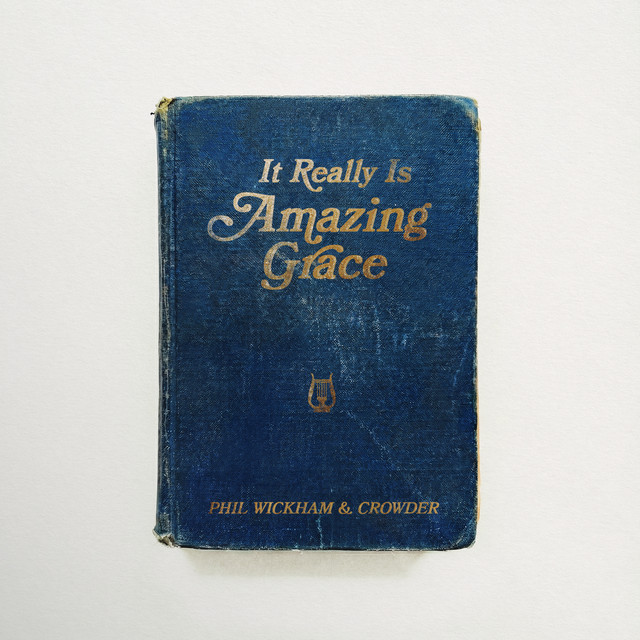
It Really Is Amazing Grace by Phil Wickham, Crowder
The meaning of It Really Is Amazing Grace Phil Wickham, Crowder centers on a simple but powerful idea: grace is not just a church word or an old hymn title. In this song, grace is treated as a lived rescue. They sing about freedom, forgiveness, and a new identity, turning a familiar Christian theme into a personal testimony.
"It Really Is Amazing Grace" - Phil Wickham, Crowder
Amazing Grace, how sweet the sound
That saved a wretch like me
Loading lyrics...
Unable to load lyrics
We're unable to display the lyrics at this time. Please try again later.
The track also leans on the deep history of the hymn “Amazing Grace.” Rather than replacing that message, it updates it with modern worship language and a more direct celebration of spiritual release. That mix helps explain why the song feels both traditional and current.
More Than a Hymn Rewrite
At its core, the song says that grace is real because it changes a person’s life. The opening reaches back to the famous hymn with the phrase Amazing Grace
, but the rest of the song pushes the listener toward present-tense experience. This is not only about what grace meant once. It is about what it still does now.
That is why the repeated title line matters so much. Saying it really is
turns doctrine into witness. They are not arguing a theology point as much as confirming something they believe they have seen for themselves.
Interpretation: this shift from old hymn language to personal testimony is the song’s main emotional engine. It asks listeners not just to admire grace, but to recognize it as active and immediate.
The Story Inside the Lyrics
The lyrics move through a clear spiritual timeline. First comes the memory of being lost. Then comes divine intervention. Finally comes public celebration.
A few lines carry that progression. The song starts with inherited hymn imagery about being found and finally seeing. Then the chorus sharpens the message with the freedom image no chains on me
. That phrase makes grace sound physical, almost like release from prison.
After that, the song gets more intimate. When they sing called me by name
, grace becomes personal rather than abstract. It is not random mercy given to a crowd. It is welcome, recognition, and belonging.
The strongest image may be dancing on that grave
. In plain terms, the song describes leaving an old life behind and celebrating victory over sin and death. Instead of mourning the past, the singer stands over it in freedom. That is a bold worship image because it turns what used to define them into proof of change.
Why the Chorus Hits So Hard
The chorus works because it combines praise with testimony. It begins in worship language with Hallelujah
and thanks Jesus directly, but it quickly turns to what has happened to the singer. They have been freed, welcomed, and restored.
That structure matters. Many worship songs move from describing God to describing human response. Here, the response is almost immediate. Praise and transformation are tied together, so the listener hears gratitude and evidence in the same breath.
Thank you, Jesus
You have set me free
This brief moment sums up the song’s message: grace is not vague kindness. It is release, and it leads to thanksgiving.
Faith, Testimony, and New Identity
One of the most important sections is the bridge, where the singer vows to testify about what God has done. This turns the song outward. Up to that point, the lyrics are deeply personal. In the bridge, private rescue becomes public witness.
That matters in contemporary Christian music, where testimony often serves as a bridge between worship and evangelism. The singer is not only celebrating inner peace. They are declaring a changed identity: new life, a free heart, and a saved soul.
Interpretation: the bridge suggests that grace reaches its full purpose when it is shared. The song implies that personal transformation naturally becomes communal praise.
How the Sound Supports the Meaning
Phil Wickham and Crowder both work in modern worship, but they often bring different textures. Wickham tends toward soaring melodic uplift, while Crowder is known for mixing worship with rootsy, earthy elements. That pairing helps the song feel both polished and grounded.
Even without digging into every production credit, the style is clear: a big chorus, steady rhythmic drive, and repeated lines designed for group singing. Those choices matter because the song is built like a testimony that expands into a congregation-wide anthem.
The production likely aims for exactly that effect. A rising arrangement, strong drums, and layered vocals make the message feel bigger each time the refrain returns. Instead of sounding reflective or fragile, the song sounds assured. That confidence matches its central claim that grace has already done its work.
For artist context, Phil Wickham’s official music pages and Crowder’s official site place both artists firmly in the modern worship space, where songs often blend doctrine with singable emotional release: Phil Wickham and Crowder.
A Modern Worship Take on an Old Message
Part of the song’s appeal is that it refreshes a message many listeners already know. “Amazing Grace” is one of the best-known hymns in English, and this song echoes its themes of lostness, fear, belief, and sight. But it adds newer worship imagery about chains, names, graves, and testimony.
That update makes the song easier to receive as a present-day anthem. It respects tradition while speaking in the emotional language of current praise music. For some listeners, that makes grace feel less historical and more immediate.
What the Song Finally Means
In the end, the meaning of It Really Is Amazing Grace Phil Wickham, Crowder is about lived redemption. The song presents grace as rescue that can be felt, named, and celebrated. Its repeated hook is almost a conclusion after the evidence has been given: grace truly is amazing because it changes who a person is.
That is the heart of the song’s impact. It turns theology into testimony, memory into praise, and freedom into a communal singalong.
Disclaimer: This interpretation is based on the released lyrics, performance style, and the artists’ broader worship context. As with any song, listeners may connect with it in different ways.








