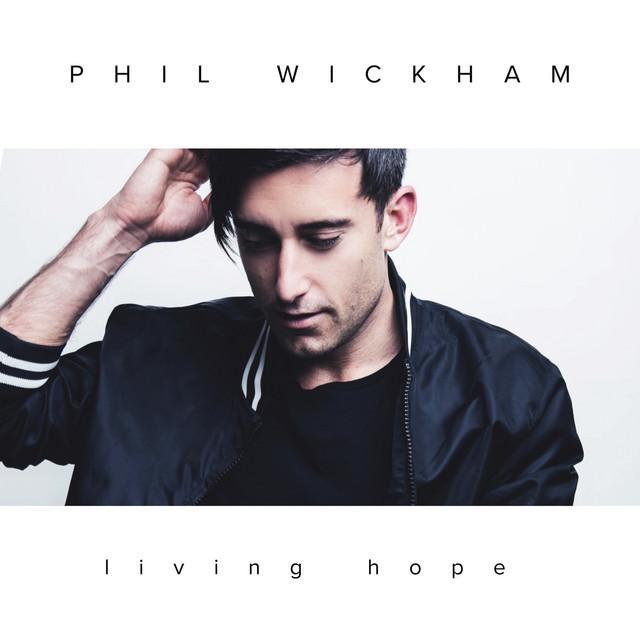
Why ‘Living Hope’ Feels Bigger Than a Worship Song
For many listeners, the meaning of Living Hope Phil Wickham comes down to one clear idea: rescue. The song tells a Christian salvation story in simple, vivid images. It begins with distance and helplessness, then moves through mercy, forgiveness, and finally resurrection victory.
"Living Hope" - Phil Wickham
How high the mountain I could not climb
In desperation, I turned to heaven
Loading lyrics...
Unable to load lyrics
We're unable to display the lyrics at this time. Please try again later.
Released on March 30, 2018 as the lead single from Living Hope, the song became one of Phil Wickham’s biggest worship hits, later earning a Platinum certification in the U.S. and winning a Dove Award for Worship Recorded Song of the Year, according to publicly available release and chart summaries.
A Rescue Story Told in Big Images
At its core, the song describes a gap between humanity and God. Early lines picture that distance as a huge divide and an unclimbable mountain. Those images matter because they frame the problem as too large for human effort alone.
When the song says How great the chasm
, it is not just being poetic. It is presenting spiritual separation as something impossible to cross without help. The next movement shifts from failure to appeal: the speaker reaches upward in desperation, and the song answers that cry with divine action.
Interpretation: This is why the title matters so much. “Living hope” is not vague optimism. It is hope grounded in a living person, Jesus, rather than in positive thinking or self-improvement.

Watch the official Living Hope
music video
From Guilt to Belonging
The middle of the song narrows the focus. Instead of talking only about distance, it starts talking about mercy, shame, and forgiveness. In Christian terms, this is the heart of the gospel message: Christ takes sin and gives grace in return.
Short phrases like bear my shame
and I am forgiven
turn the song inward. The speaker is no longer describing a grand religious idea from far away. They are claiming it personally. That shift helps explain why the song works both in private devotion and in congregational worship.
Phil Wickham has said the song is about God rescuing people from a place they could never escape by themselves and bringing life into their souls. That summary fits the lyric arc exactly. The song moves from helplessness to identity: from being lost to being called God’s own.
The Chorus Turns Theology Into Testimony
The chorus is where the song becomes an anthem. It takes the story of salvation and compresses it into short, memorable claims. Phrases such as set me free
and broken every chain
use liberation language that is easy to sing and easy to feel.
This matters for the meaning of Living Hope Phil Wickham because the chorus does two jobs at once:
- It summarizes the song’s theology.
- It gives worshipers words of response.
Instead of staying descriptive, the song becomes declarative. The speaker is no longer just telling what happened. They are praising because of what happened. That shift is a big reason the track has lasted in churches across the United States.
Easter Morning Is the Song’s Emotional Peak
The final verse pushes the song beyond crucifixion and forgiveness into resurrection. That is where the emotional and musical climax lands. The morning arrives, the silence breaks, and death loses authority.
Then came the morning
Out of the silence
the grave has no claim
Those brief lines capture the song’s peak without needing the full passage. They present resurrection as both fulfillment and reversal. What looked final was not final. What seemed sealed was opened.
Interpretation: The striking image of the Roaring Lion
adds force to that moment. It suggests majesty, authority, and a victory that cannot be hidden. Some listeners may hear it as a direct symbol of Christ’s power; others may simply read it as dramatic resurrection language. Either way, it turns the last section into a burst of triumph.
How the Sound Carries the Message
The production helps the lyrics land. “Living Hope” is a contemporary worship song in E-flat major with a brisk 143 BPM pulse. That tempo keeps the song moving forward, even when the opening words describe struggle.
The arrangement follows a familiar worship build: reflective opening, stronger rhythmic lift, then a full-band release in the chorus and final verse. That shape mirrors the lyric journey from darkness to confidence. Listeners do not just hear a message of hope; they feel the music rise into it.
Wickham’s vocal approach matters too. He begins with tenderness, then widens into a higher, brighter tone as the song reaches its declarations. That increase in intensity makes the resurrection section feel earned rather than sudden.
Why the Song Became So Widely Loved
Part of the song’s success comes from timing. It was released around Good Friday and Easter, which matched its death-and-resurrection theme perfectly. But timing alone does not explain why it endured.
It also worked because it balances doctrine with emotion. The lyrics are specific enough to express Christian belief clearly, yet broad enough for many believers to make them personal. Commercially, that reach showed up in a long chart run and Top 10 placements on Christian charts.
In short, the song is loved because it gives worshipers a full arc: need, rescue, forgiveness, victory, and praise.
The Lasting Meaning Behind “Living Hope”
The best way to understand the meaning of Living Hope Phil Wickham is to see it as a song of impossible distance answered by divine nearness. It says people cannot bridge the gap to God on their own, but Jesus does what they cannot do.
That is why the song still resonates. It offers not just comfort, but a story: darkness met by kindness, guilt answered by grace, and death overruled by life.
Disclaimer: This article offers informed interpretation based on the song’s lyrics, release context, and public statements. Meaning can vary by listener and faith background.









