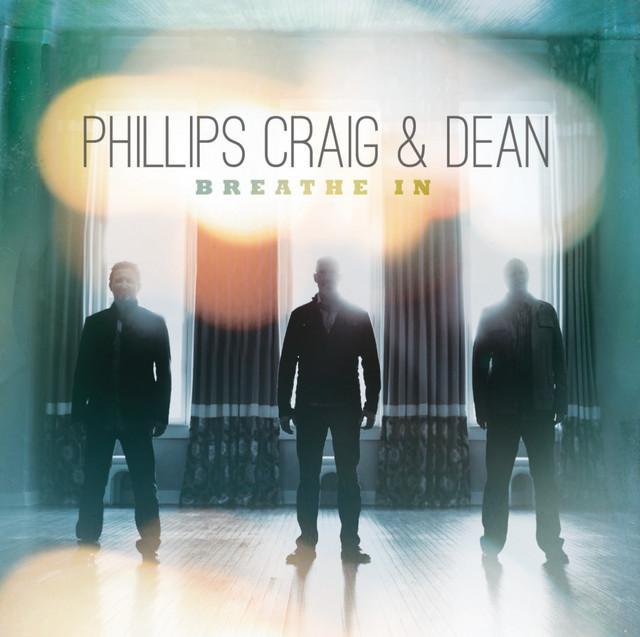
Why 'Great I Am' Feels Bigger Than Fear
The meaning of Great I Am Phillips, Craig & Dean starts with a simple desire: they want to be near God. From that starting point, the song grows into something larger. It becomes a worship anthem about holiness, power, and the belief that God’s presence defeats fear, darkness, and even death.
"Great I Am" - Phillips, Craig & Dean
So heaven is real and death is, a lie
I want to hear voices of angels above
Loading lyrics...
Unable to load lyrics
We're unable to display the lyrics at this time. Please try again later.
Written by Jared Anderson and recorded by Phillips, Craig & Dean, the song sits firmly in the modern Christian worship tradition. Rather than tell a detailed story, it builds a spiritual vision. Each section expands the same message: God is close, God is unmatched, and God changes what seems impossible.
The Heart of the Message
At its core, the song is about longing for closeness with God and what that closeness means. The opening desire to be close to your side
is not just emotional comfort. It suggests that nearness to God makes heaven feel real and makes death lose its final power.
That is why the song moves so quickly from intimacy to praise. They are not only asking to feel safe. They are declaring that God is holy, worthy, and above every rival. The repeated title phrase the great I am
points to God as eternal and self-existing, language many listeners connect to the biblical revelation of God’s name in Exodus 3.
Interpretation: The song’s main idea is that worship is not escape. It is a response to who God is. In that sense, comfort comes from God’s character, not from denial of pain.
Watch the official Great I Am
music video
From Personal Prayer to Congregational Anthem
One reason the song connects so strongly in churches is its structure. The verses sound like a personal prayer. They speak of wanting to be near God’s heart and wanting to reject darkness. Then the chorus opens into a group confession of praise.
This shift matters. The song starts with individual desire, but it ends in shared worship. That turn gives the lyrics a communal feel, especially in lines about angels and united singing. Even when the speaker begins alone, the song imagines worship as something larger than one person.
Hallelujah, holy, holy
God almighty, the great I am
Those lines are simple, but that simplicity is the point. They condense the song’s theology into a few repeated ideas: God is sacred, powerful, and beyond comparison.
The Images That Carry the Song
The lyrics use a handful of vivid spiritual images. Each one supports the song’s larger meaning.
Nearness, Light, and New Life
The request to be near to your heart
gives the song its emotional center. God is not presented as distant. He is holy, but also personally close.
Then the song contrasts love and darkness. That pairing frames faith as both attraction and refusal: they move toward divine love while turning away from evil. The image of dry bones living again
adds resurrection language, likely echoing the vision in Ezekiel 37. In plain terms, the song says God can bring life where there was only loss.
Cosmic Power Over Evil
Later, the language becomes more dramatic. Mountains shake, demons flee, and hell has no lasting strength before God. These are not casual images. They are meant to magnify divine authority.
Interpretation: This section is less about literal scene-setting and more about scale. The song wants listeners to feel that no personal fear is bigger than the God they worship. The spiritual battle language turns inner anxiety into a larger statement of trust.
How the Sound Expands the Meaning
Phillips, Craig & Dean were known for polished vocal harmony and contemporary Christian arrangements, a style reflected across their catalog and label-era releases documented by AllMusic. Their version of “Great I Am” uses that approach well.
The arrangement typically begins with a reverent mood, then builds in volume and force. Piano and sustained pads create space in the verses. As the song rises, percussion and fuller instrumentation help the chorus feel declarative rather than private.
That production arc mirrors the lyric meaning. The song starts with desire and ends in awe. Strong stacked vocals also matter here. Because the words focus on holiness and worthiness, the group sound makes the message feel congregational, not merely reflective.
Why the Chorus Lands So Hard
The chorus works because it says the same truth in several ways without becoming complicated. God is holy. God is almighty. No one stands beside Him. That directness gives the song broad appeal in worship settings.
It also helps that the title phrase is memorable. In Christian music, repetition often serves devotion rather than just catchiness. Here, repeating none beside thee
and the title centers the listener on one claim: God has no equal.
For many listeners, that is the emotional release of the song. The verses name longing and struggle. The chorus answers with certainty.
Artist Context and Lasting Appeal
Although Jared Anderson wrote the song, Phillips, Craig & Dean helped carry it to a wide worship audience. Their long presence in Christian music gave songs like this a platform among church listeners in the United States. The trio’s official artist history and releases are documented through their official site and standard music databases such as Discogs.
The song has lasted because it balances doctrine and emotion. It gives worshippers words for intimacy with God, but it also gives them language for strength. That mix makes the song useful in both private devotion and corporate worship.
Final Take on the Song’s Meaning
The meaning of Great I Am Phillips, Craig & Dean is the belief that God’s presence changes everything. What begins as a prayer for closeness becomes a declaration that fear, darkness, death, and evil do not have the final word.
That is why the song feels so large. It is intimate in its opening, but cosmic by its end. It invites listeners to move from personal need to public praise.
Disclaimer: This interpretation is based on the lyrics, biblical references, and the song’s worship context. As with any song, listeners may hear and apply its meaning in different ways.







