Why 'Childhood's End' Feels Like Growing Up
The meaning of Childhood's End Pink Floyd centers on a hard moment: the point where youth stops feeling protective and adult life becomes real. On the surface, the song speaks in vivid, dreamlike scenes. Underneath, it is about conscience, fear, choice, and the fact that time does not wait.
"Childhood's End" - Pink Floyd
Perhaps the price is just too steep.
Is your conscience at rest
Loading lyrics...
Unable to load lyrics
We're unable to display the lyrics at this time. Please try again later.
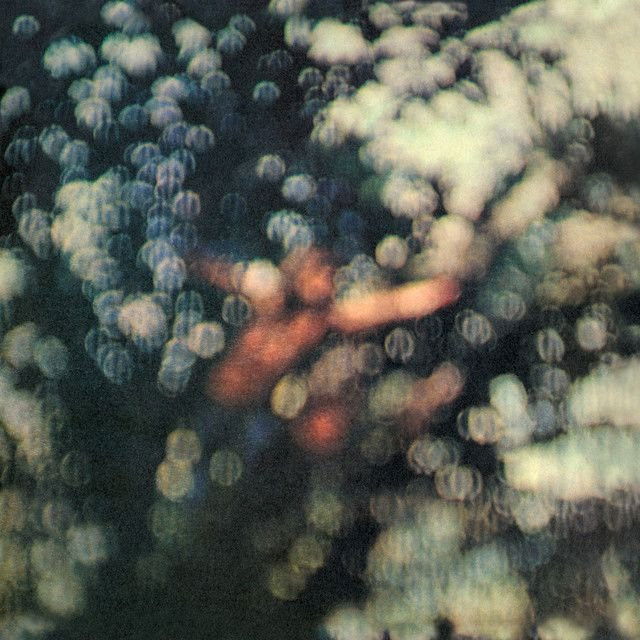
Released on Obscured by Clouds in 1972, the track was written solely by David Gilmour and sung by him. It came from the band's sessions for the French film La Vallée, part of Pink Floyd's soundtrack period before The Dark Side of the Moon reshaped their career. Factually, the song's title echoes Arthur C. Clarke's novel, though reference sources note the lyrics are not closely based on that story.
The Song's Core Idea in Plain Terms
At its heart, the song describes a person waking up to adulthood. The opening image of someone who shout[s] in your sleep
suggests buried anxiety. They are not at peace, and the song quickly asks whether their conscience can survive being tested.
That matters because the track is not just about getting older. It is about becoming responsible for their own moral choices. When the lyric moves toward Childhood's end
, it marks the loss of fantasy and the arrival of reality. The emotional shift is not triumphant. It is sad, uncertain, and very human.

Watch the official Childhood's End
music video
From Dreams to Decisions
The first verse stays close to the body: sleep, heartbeat, sudden waking. That physical detail makes the fear feel immediate. Instead of grand storytelling, Pink Floyd narrows the frame to one person alone beneath a huge sky.
Then the song opens out. The image of setting sail across old memories suggests reflection, but not comfort. Looking back does not restore innocence; it shows how far they have moved from it. The phrase harsh realities
gives the turning point away. Imagination and memory can still exist, but they no longer rule life.
The Final Choice
The most important emotional beat is the idea of a last decision. The song says unspoken fears push the listener toward a moment they can no longer avoid.
All the fears never voiced
Say you have to make your final choice
This is the clearest statement of the song's conflict. Adulthood here means choosing without guarantees. Interpretation: they may hear this as a moral choice, a life path, or simply the recognition that no one else can make meaning for them.
A Bigger View: Mortality Under One Sky
In the final section, the song stops being only personal and becomes philosophical. It asks who can really claim to know why people live and die. That move broadens the song from one troubled sleeper to all humanity.
Short lines like infinite sky
and turned to dust
push the song toward mortality. War and peace both appear, but neither lasts. Pride fades too. The message is sobering: every human structure, even iron, decays with time.
This is one reason listeners often connect the song to themes Pink Floyd explored more famously on The Dark Side of the Moon. Interpretation: they can hear "Childhood's End" as an early sketch of the band's later writing on time, death, and pressure, though the song remains more intimate than abstract.
Why the Sound Matters So Much
The arrangement helps explain the meaning of Childhood's End Pink Floyd as much as the words do. Sources describe the studio version as opening with an extended ambient organ passage, and that long introduction matters. It creates a suspended mood, as if the song begins inside thought rather than action.
When the rhythm section and guitars fully enter, the track becomes more grounded and urgent. Richard Wright's organ gives it a haunted glow, while Gilmour's guitar adds both drive and ache. The performance does not sound panicked, but it does sound unsettled.
That balance fits the lyric perfectly. The song is reflective, yet it keeps moving forward. They do not get to stay inside memory forever.
The Pink Floyd Context Behind the Track
"Childhood's End" appeared on Obscured by Clouds, released in 1972 in connection with La Vallée. Pink Floyd recorded the album in France at Château d'Hérouville, and the band members on the track were Gilmour, Roger Waters, Richard Wright, and Nick Mason. It was also one of the last Pink Floyd songs written entirely by Gilmour alone.
That context matters because Obscured by Clouds often gets overshadowed by the albums around it. Yet this song shows the band in transition. The soundtrack setting gave them room for atmosphere, while the writing points toward the deeper existential concerns they would soon sharpen.
One More Possible Reading
There is another way to hear the song. Interpretation: instead of focusing only on adulthood, they might read it as a wider statement about human limitation. The questions about identity, reason, war, and decay suggest that "childhood's end" could mean the end of comforting illusions in general.
In that reading, maturity is not just aging. It is accepting that life offers no full explanation, only choices made under an unknowable sky.
Why the Song Still Lands
What makes the song memorable is its honesty. It understands that growing up is not a clean victory. It can feel like grief, self-examination, and a lonely kind of freedom.
That is why the meaning of Childhood's End Pink Floyd still resonates. It captures the moment when a person realizes the world is larger, less fair, and more temporary than they hoped—and that they still have to decide how to live in it.
Disclaimer: This interpretation mixes established facts about the song with informed reading of its lyrics and sound. Meaning can vary from listener to listener.








