Why ‘Eclipse’ Is Dark Side’s Final Warning
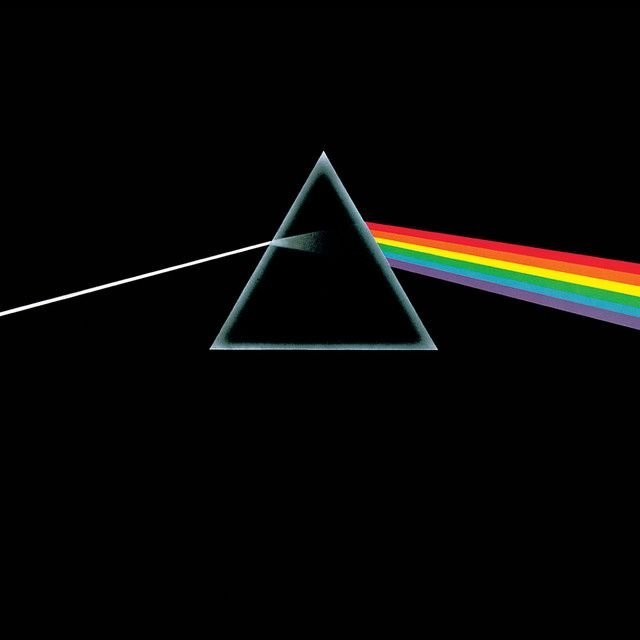
The meaning of Eclipse Pink Floyd becomes clearer when they hear it as a summary, not a standalone story. As the final track on The Dark Side of the Moon, released in 1973, the song gathers the album’s big concerns—fear, greed, conflict, time, and death—and compresses them into a brief, powerful ending. Factually, it closes the album and flows directly out of “Brain Damage,” forming the record’s final sequence.
"Eclipse" - Pink Floyd
All that you see
All that you taste
Loading lyrics...
Unable to load lyrics
We're unable to display the lyrics at this time. Please try again later.
A Short Song With a Huge Job
“Eclipse” is only a little over two minutes long, but it has to finish one of rock’s most famous albums. Roger Waters wrote it to complete the ending, and the song’s structure reflects that task: it is less a verse-chorus single than a rising statement. It keeps adding examples of daily life until the final image brings everything into focus.
Rather than tell a plot, the lyric builds through accumulation. The repeated opening pattern—such as all that you touch
and all that you see
—moves through senses, emotions, money, violence, creation, and social contact. In plain terms, the song says that human life includes almost everything people can do, feel, want, or ruin.
Watch the official Eclipse
music video
The Core Meaning: Life in Full, Shadowed by Ourselves
At its heart, the song sounds universal. It catalogs normal experience: love and hate, giving and taking, meeting and fighting, making and destroying. That broad sweep is why the track feels bigger than one person. They hear not a private confession, but a statement about everybody.
Interpretation: The key turn arrives at the end, when the lyric suggests that the whole world may be in balance, yet that balance is threatened by a dark interruption. The famous contrast between harmony and eclipse points to the idea that people carry something self-defeating inside them.
That reading fits Waters’ own explanation. He said the album uses the sun and moon as symbols for light and dark, good and bad, and the life force against the death force. In that sense, “Eclipse” is not a cosmic riddle. It is a human warning.
How It Sums Up the Whole Album
One reason the meaning of Eclipse Pink Floyd matters so much is that it acts like a final thesis for The Dark Side of the Moon. Earlier songs explore specific pressures:
- “Time” faces mortality and wasted years
- “Money” targets greed and materialism
- “Us and Them” studies division and conflict
- “Brain Damage” approaches instability and fear
“Eclipse” gathers all of that into a closing list. Even the phrase everyone you meet
matters, because it widens the frame from the self to society. The song is saying that private life and public life are connected; inner darkness leads to outer damage.
A Loop Back to the Beginning
The track also reaches backward. Its early wording echoes ideas first heard on “Breathe,” which helps make the album feel circular. Then the heartbeat returns at the end, creating a sonic loop from the opening of the record to its close.
That heartbeat is crucial. It suggests that after all the grand themes, the album ends where life begins and ends: the body, vulnerable and temporary.
Why the Music Feels So Overwhelming
The arrangement is a big part of the song’s effect. The melody repeats while the instrumentation grows denser, making each line hit harder than the last. Waters sings lead, while David Gilmour and Richard Wright add harmonies that expand the sound rather than compete with it.
Interpretation: This rising musical design mirrors the lyric’s widening scope. The more examples the song names, the larger the world feels.
A few production details deepen that meaning:
- Guitars and organ create a steady, hymnal lift
- The backing vocalists swell behind Waters like a chorus of witnesses
- The final harmonic brightening gives the climax a brief flash of hope
- The heartbeat fade-out removes triumph and restores fragility
That emotional movement matters. For a moment, the song sounds as if it has reached certainty. Then it ends not in victory, but in mortality.
The Final Image: Sun, Moon, and Moral Shadow
The last lines are among the most discussed in rock history. They suggest that life can be ordered, meaningful, even beautiful—yet still be blocked by a darker force. The phrase under the sun
points to the whole visible world, while eclipsed by the moon
implies concealment rather than destruction.
That distinction is important. An eclipse does not erase the sun; it covers it for a time. So the song’s ending may be bleak, but it is not purely hopeless.
And everything under the sun is in tune
But the sun is eclipsed by the moon
Paraphrased, the idea is that life contains order and possibility, but human darkness can block people from fully living in that light.
Artist Context Makes the Message Sharper
Waters wrote the song, and Pink Floyd produced it as part of one of the defining albums of the 1970s. The band had spent the record studying pressures that push people toward alienation or collapse. By the time “Eclipse” arrives, they are no longer describing separate problems. They are showing how those problems belong to one human pattern.
The spoken line that follows in some versions of the ending adds an extra twist: what looks bright depends on light hitting darkness. That matches the album’s worldview. Human beings are not neatly split into good and evil; they are a mix of both.
A Final Take on the Meaning
So what is “Eclipse” about? Most directly, it is about the whole range of life and the shadow that falls across it. The song names what people touch, buy, love, build, spoil, and survive, then suggests that a darker side of the self can distort all of it.
That is why the ending lasts. It feels cosmic, but it lands as something personal.
Disclaimer: This interpretation is based on the song’s lyrics, album context, and documented artist comments. Meaning can remain open, and different listeners may hear the song differently.







