Why “Us and Them” Still Feels So Urgent
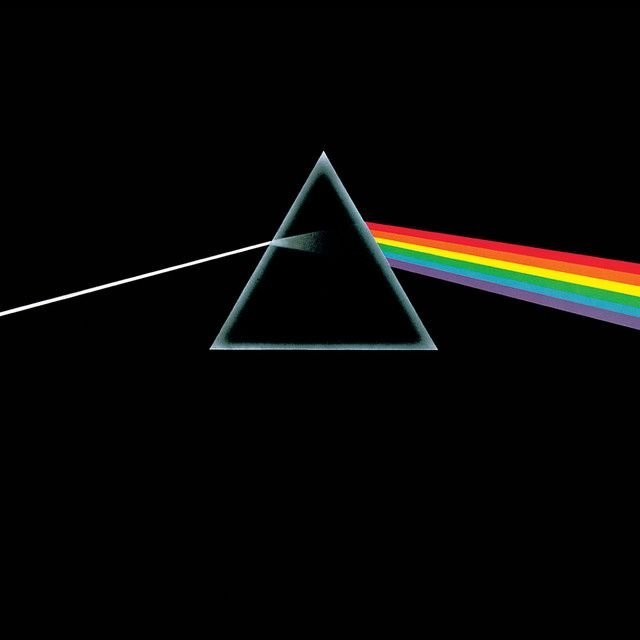
The meaning of Us and Them Pink Floyd starts with a simple idea: people divide each other into sides, then act as if those sides matter more than shared humanity. On The Dark Side of the Moon, Pink Floyd turns that idea into one of their saddest and most humane songs.
"Us and Them" - Pink Floyd
And after all we're only ordinary men
Me
Loading lyrics...
Unable to load lyrics
We're unable to display the lyrics at this time. Please try again later.
Factually, the track appeared on the band’s 1973 album The Dark Side of the Moon, with music by Richard Wright and lyrics by Roger Waters. David Gilmour sang lead on the studio version, and the recording also featured Dick Parry on saxophone and backing vocals from Lesley Duncan, Doris Troy, Barry St. John, and Liza Strike.
More Than a War Song
At first, the lyric seems centered on conflict. The opening contrast of us and them
frames the whole song as a study of separation.
But the point is bigger than battlefield politics. Waters later explained that the verses touch war, racial prejudice, civil liberties, and social indifference. That matters because the song keeps showing the same pattern in different places: leaders divide, ordinary people suffer, and bystanders look away.
One key phrase, ordinary men
, brings the song down to human scale. Instead of praising heroism, it reminds listeners that most people caught in conflict did not create it.
Watch the official Us and Them
music video
The Verses Move Through Three Kinds of Distance
The first major scene presents military power from two levels at once. A command comes from safety, while soldiers die at the front. The brief phrase lines on the map
captures the song’s cruelty: decision-makers move borders and strategies around, but real bodies pay the price.
Interpretation: This is one reason the song feels so enduring in the United States and beyond. It suggests that institutions often turn living people into abstractions.
The next section shifts from war to social sorting. The colors and opposites imply racial labels, status differences, and the way language itself can trap people into categories. The lyric does not offer a neat solution. Instead, it asks listeners to notice how unstable those labels are in the first place.
Then the final verse narrows to an everyday tragedy. For the tiny cost of comfort or care, someone might have been helped, yet the old man died
. That ending is devastating because it moves from global systems to private neglect. The song argues that division is not only something governments do; ordinary people can practice it too.
How the Chorus Turns Reflection Into Shock
Musically and lyrically, the song breathes in and then suddenly tightens. The quieter verses feel reflective, almost resigned. Then the louder section lands with force.
Forwardcame from the rear, while those at the front died.
That short moment is enough to show the moral imbalance. People with authority give orders from protection, while others face the consequences.
The line about a battle of words
pushes the point further. Conflict is not always bullets and bombs. Sometimes it is rhetoric, propaganda, and public argument that prepare the ground for real harm.
Why the Sound Matters So Much
A big part of the meaning of Us and Them Pink Floyd comes from its arrangement. The song began as an earlier Richard Wright composition connected to the Zabriskie Point period before being reshaped for The Dark Side of the Moon. That origin helps explain why the music feels spacious and mournful.
The piano and Hammond organ create a floating, church-like sadness. Gilmour’s vocal is calm and compassionate rather than angry. Then Dick Parry’s saxophone adds warmth, but also loneliness, as if the melody itself is trying to speak for people who were not heard.
When the band swells into the louder passages, the contrast is striking. The rhythm section grows more forceful, and the song briefly feels unstable. That rise-and-fall pattern mirrors the lyric’s emotional logic: calm explanations of injustice give way to the violence hidden underneath.
The Spoken Break Makes the Theme Colder
Near the middle, a spoken voice defends rough treatment in casual, everyday language. It sounds less like a grand political speech and more like ordinary cruelty excusing itself.
Interpretation: That is what makes it so effective. The song is no longer only about war overseas or state power at a distance. It becomes about the human habit of justifying harm, whether in institutions, on the street, or in personal disputes.
Artist Context Gives the Song Extra Weight
Within The Dark Side of the Moon, this track fits the album’s broader concern with pressure, fear, money, time, and alienation. It is one of the album’s clearest moral statements, but it never becomes preachy.
Its reputation has lasted for good reason. Critics have long highlighted its beauty and gravity, and Waters later said the issues behind the title were sadly still present decades later. That continued relevance is part of why listeners keep returning to it.
The Lasting Meaning of “Us and Them”
In the end, the song says division is both political and personal. Systems of power create categories, but everyday people also keep those categories alive when they stop caring about someone outside their circle.
That is the lasting meaning of Us and Them Pink Floyd: the borders between people are often artificial, while the harm they cause is real. The song remains powerful because it asks a hard question without shouting—if people are so similar, why do they keep choosing sides?
Interpretation disclaimer: Song meanings can vary by listener. This reading separates documented context from interpretation, but no single explanation is final.








