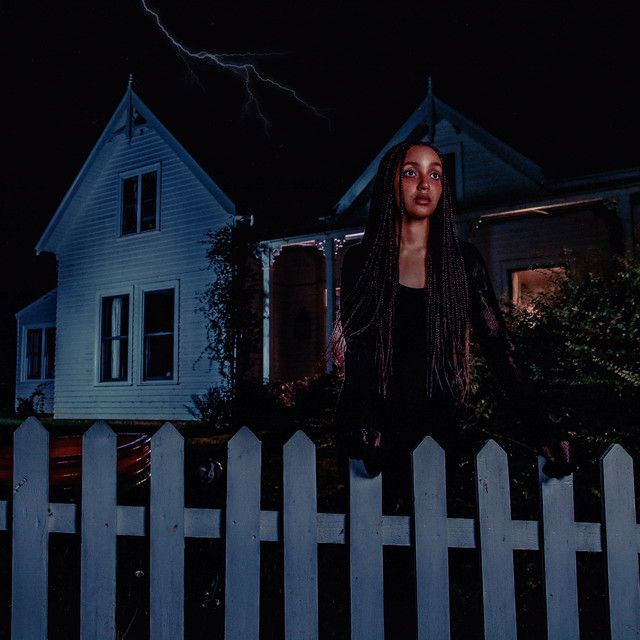
Nineteen by PinkPantheress
A soft, drifting song about being young and still feeling left behind.
"Nineteen" - PinkPantheress
Provided by LyricFindSome days when I'm down just a little bit
I drop myself to the floor
It's not a problem if it hurts becauseLoading...Loading lyrics...
Unable to load lyrics
We're unable to display the lyrics at this time. Please try again later.
Why the meaning of Nineteen PinkPantheress hits so hard
The meaning of Nineteen PinkPantheress is about a painful in-between stage: they are old enough to be pushed toward adulthood, but not settled enough to feel secure in it. The song presents nineteen not as a fun milestone, but as a year of confusion, distance, and self-doubt.
Factually, “Nineteen” is the closing track on PinkPantheress’s 2021 debut mixtape To Hell with It, and it was produced by Dill Aitchison. It also samples Toco’s “Outro Lugar,” according to the PinkPantheress Wiki and the mixtape’s official credits page on Apple Music. PinkPantheress also said on Apple Music that the song came from personal experience and that being 19 was a year of “emotional confusion” while they were torn between university and music.
That context matters. The song does not sound like a general coming-of-age statement. It sounds specific, lived-in, and quietly bruised.
Watch the official Nineteen
music video
A portrait of being young, numb, and disconnected
From the opening lines, the narrator sounds worn out. They describe low moods and physical collapse in a way that suggests emotional numbness rather than dramatic breakdown. When they say can't feel ache anymore
, the point is not toughness. It is that pain has become so familiar that it barely registers.
That numbness shapes the whole song. They return home hoping change might bring relief, but instead discover that life moved on without fixing anything inside them. The key contrast comes in the line everyone's gone
. The world has shifted, friendships have loosened, and places have disappeared, yet the narrator still feels trapped in the same internal state.
Interpretation: The song is not just about sadness. It is about the disappointment of realizing that time alone does not heal confusion.
Why the chorus turns age into a crisis
The chorus gives the song its core idea: this bored at nineteen
. That phrase makes boredom sound much heavier than simple restlessness. Here, boredom feels close to emptiness, as if life at that age is failing to offer purpose, direction, or comfort.
The next lines tie that feeling to identity and friendship. When the narrator says a nearby friend no longer wants to see them look differently
, they suggest that growing up has changed how others respond to them. The distance is emotional, not just physical.
Growing older, but not feeling stronger
The hook implies that nineteen was supposed to feel more exciting or meaningful. Instead, it feels alienating. The age itself becomes a symbol of mismatch: the outside world says they are moving forward, while their inner life says they are stuck.
This is one reason the song resonates with young listeners in the United States and beyond. It captures the pressure to have a clear future before someone actually feels ready.
Small details make the heartbreak believable
One of the smartest things about “Nineteen” is how ordinary its details are. The song mentions old retail jobs, failed A-Levels, a favorite shop closing, and a relative noticing they always wear a frown. None of these details are huge on their own. Together, they create a full emotional picture.
The line about ex jobs in retail
is especially revealing. They look back at work not with pride, but with regret and second-guessing. It suggests a mind replaying choices and wondering whether any route would have felt easier.
Then the song adds another type of loss: familiar places disappearing. A favorite shop shutting down becomes more than local news. It stands for a world that no longer feels stable or recognizable.
Interpretation: These details show that the song’s pain comes from accumulation. The narrator is not crushed by one event. They are worn down by many small signs that life is changing faster than they can process.
The bridge is the loneliest moment
The bridge repeats the idea that the mind is isolated because the person is isolated. It is simple, but that simplicity is the point. Depression and confusion often shrink language. Instead of a complicated metaphor, the song falls into a loop.
My mind's alone
Because I'm alone
This is the article’s only multi-line lyric quote, and it captures the song’s emotional center. The repetition sounds like a thought spiral: loneliness causes overthinking, and overthinking deepens loneliness.
By the time the final chorus arrives, the narrator sounds less like they are explaining themselves and more like they are accepting a painful truth.
How the production softens and deepens the sadness
PinkPantheress is known for blending delicate vocals with fast, airy, electronic textures, often drawing from UK garage, drum and bass, and bedroom pop. “Nineteen” follows that approach, but the emotional effect is subtle. The beat glides instead of crashing, and their voice stays light even when the lyrics are heavy.
That contrast is crucial. The production does not dramatize the pain. It lets the sadness float. Because the track samples “Outro Lugar,” it carries a slightly dreamy, displaced feeling that fits the theme of being mentally elsewhere.
Interpretation: The sound mirrors the song’s emotional numbness. Rather than shouting its hurt, “Nineteen” drifts through it.
Final takeaway on what the song means
The meaning of Nineteen PinkPantheress is the feeling of reaching an age that should mean freedom and instead finding confusion, distance, and emotional fatigue. It is about realizing that change in the outside world does not automatically create change within.
What makes the song powerful is its honesty. PinkPantheress turns failed plans, fading friendships, and quiet loneliness into a coming-of-age story that feels unusually real.
Disclaimer: This interpretation is based on the released song, publicly available artist comments, and musical context. Like all art, the song can support more than one valid reading.









