Is She Weird by Pixies
Why This Pixies Song Feels So Unsettling
The meaning of Is She Weird Pixies starts with a simple question that never feels simple. The song circles around a woman who seems attractive, distant, and hard to reach. The speaker appears fascinated by her, but also threatened by what they cannot understand.
"Is She Weird" - Pixies
Good clothes and little things
Your mind is fancy
Loading lyrics...
Unable to load lyrics
We're unable to display the lyrics at this time. Please try again later.
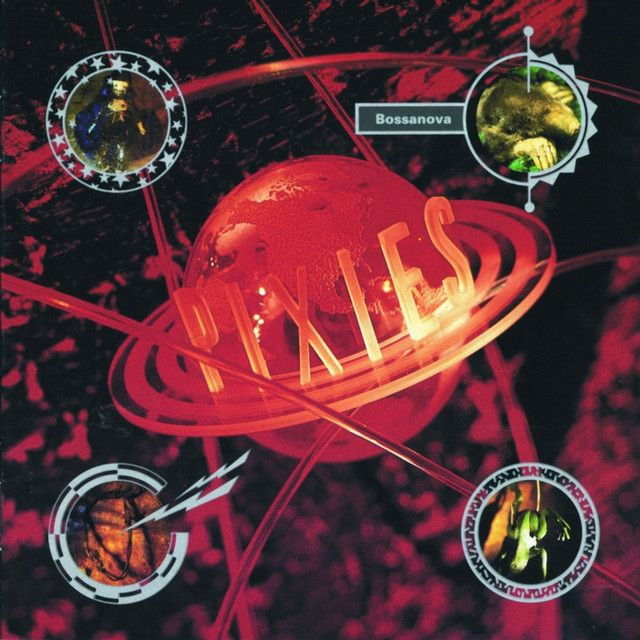
That mix of desire and discomfort is classic Pixies. The band built its reputation on songs that sounded catchy on the surface but carried strange, nervous energy underneath. “Is She Weird” appears on Bossanova, released in 1990, during a period when the group was leaning further into spacey textures and surf-rock color while keeping their sharp edge. The album was released by 4AD and produced by Gil Norton, who also helped shape the band’s polished but tense sound on earlier records.

Watch the official Is She Weird
music video
The Core Meaning: Attraction Mixed With Fear
At its heart, the song seems to be about a person trying to define a woman they cannot control. The repeated question Is she weird?
sounds less like curiosity and more like anxiety. Instead of understanding her as a full person, the speaker keeps turning her into a puzzle.
Interpretation: The song can be heard as a portrait of male insecurity. The woman seems stylish, self-contained, and mentally elsewhere. Early lines describe her as rich in taste and image, suggesting polish and social power. But the speaker does not respond with calm admiration. They respond with suspicion.
The repeated phrase promised to the night
adds to that feeling. It suggests she belongs to darkness, mystery, freedom, or another world the speaker cannot enter. Rather than being available, she is aligned with something larger and less possessive.
How the Verses Build That Tension
A Woman Seen From the Outside
The opening images focus on clothes, small luxuries, and a “fancy” mind. That framing matters. The speaker notices surfaces first. They see style and signs of status, but not real intimacy.
Then the song turns harsher. A line like your mouth is everywhere
suggests emotional chaos, gossip, or a personality too big to contain. Another jarring phrase, I'm lyin' in it
, implies the speaker feels trapped inside her emotional mess, whether that mess is real or imagined.
Interpretation: These lines may say more about the speaker than about the woman. They project confusion onto her because they do not know how to handle her independence.
The Chorus Turns Curiosity Into Obsession
The chorus is the key to the whole song. It does not move the story forward. Instead, it repeats the same doubts until they sound obsessive. That repetition mirrors fixation.
Is she weird, is she white?
Is she promised to the night?
And her head has no room
Paraphrased, the chorus presents her as someone outside the speaker’s reach: socially coded, spiritually distant, and mentally closed off. The phrase head has no room
suggests there is no space for the speaker in her inner life. That may be the song’s most painful idea.
The word “white” is especially slippery. Interpretation: It may point to purity, blankness, coldness, social identity, or an idealized image. Pixies often used words for sound and mood as much as direct meaning, so this line likely stays ambiguous on purpose.
Sound and Production: Dreamy, Then Claustrophobic
Part of the meaning of Is She Weird Pixies comes from how it sounds. Bossanova pushed Pixies toward a more atmospheric style, but they still played with friction. The guitars shimmer rather than slash, and the rhythm section locks into a hypnotic pulse. That dreamy surface makes the song feel almost weightless.
But Black Francis’s vocal delivery keeps the track from becoming gentle. He sounds tense, suspicious, and half-bewildered. Kim Deal’s presence in the band’s harmonies and overall texture also matters, even when the lead voice dominates; Pixies songs often gain emotional complexity from the contrast between sweetness and abrasion.
Interpretation: The music creates the feeling of staring at someone from across a room, fascinated but disconnected. The song floats, yet the words keep poking holes in that dream.
A Glimpse of Possession and Control
Late in the song, the voice becomes more openly possessive. The command to stop crying and the claim You're mine
reveal a darker edge. What started as puzzled observation now sounds like a struggle for ownership.
That shift changes how the earlier questions can be heard. Maybe the woman is not “weird” at all. Maybe she simply refuses to fit the speaker’s expectations. In that reading, the song captures the moment when attraction curdles into resentment.
Another Possible Reading
There is also a less literal interpretation. The woman could represent an idea, a scene, or an unreachable ideal of coolness. Pixies often wrote in fragments, letting image and tone carry meaning more than plot. In that reading, the song is about distance itself: wanting access to something beautiful and strange, then lashing out when it stays remote.
Why the Song Still Works
“Is She Weird” remains compelling because it never resolves its own tension. It is melodic, but uneasy. It sounds dreamy, but behaves like an interrogation. That contradiction is what gives the song its pull.
For listeners asking about the meaning of Is She Weird Pixies, the best answer is that the song studies alienation through desire. The speaker wants closeness, but they approach it through labels, suspicion, and control. The result is a song about how fascination can expose insecurity instead of love.
Final Take
Pixies do not offer a clean moral or a fixed narrative here. They create a mood where attraction, fear, style, and power blur together. That is why the song still feels alive: it leaves listeners inside the speaker’s discomfort without fully trusting the speaker’s view.
Disclaimer: This interpretation is based on the lyrics, recording context, and common critical readings. Because Pixies often write ambiguously, other readings are possible.