Wave of Mutilation by Pixies
A small song with a huge undertow
The meaning of Wave of Mutilation Pixies starts with a strange contradiction: the song sounds catchy, even bright, while its core image is deeply disturbing. On the surface, it moves fast and feels almost playful. Underneath, it deals with escape, death, and the pull of the sea.
"Wave of Mutilation" - Pixies
Drive my car into the ocean
You'll think I'm dead, but I sail away
Loading lyrics...
Unable to load lyrics
We're unable to display the lyrics at this time. Please try again later.
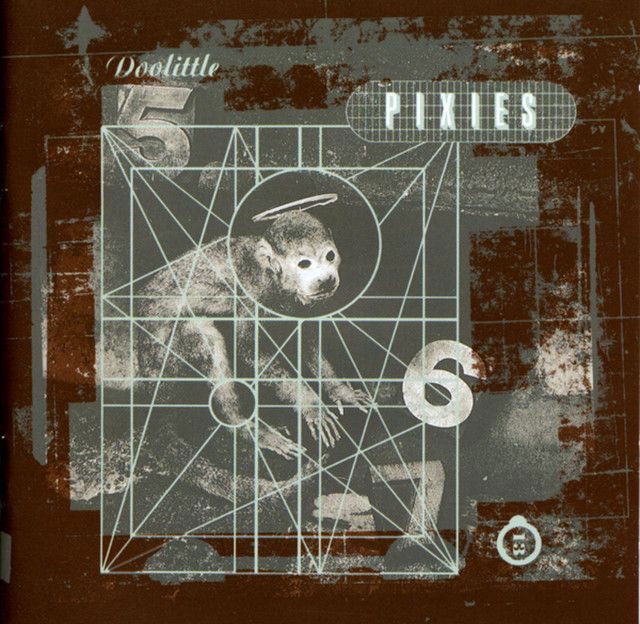
Released on Doolittle in 1989, the song was written by Black Francis and produced by Gil Norton. It lasts just over two minutes, yet it contains one of the sharpest examples of what made Pixies special: they could take surreal images and turn them into emotional shocks.

Watch the official Wave of Mutilation
music video
What the song is really about
Factually, Black Francis said the song was inspired by news reports about Japanese businessmen driving cars into the ocean in murder-suicides. That real-world context matters because it explains why the opening image is so blunt. When the narrator says drive my car into the ocean
, the song is not using random weirdness. It starts from a violent, news-shaped idea.
Still, the lyric does not stay realistic for long. Instead of ending with death, the speaker suddenly imagines survival, drift, and even adventure. They suggest other people may assume the worst, but the narrator will somehow continue on, carried on a wave of mutilation
. That shift is the key to the song.
Interpretation: the song turns a self-destructive act into a fantasy of transformation. Rather than simply depicting doom, it imagines slipping out of ordinary life and into a mythic ocean world.
The narrator’s escape plan
The first verse feels like a goodbye scene. The line cease to resist
sounds like surrender, but it can mean more than one thing. It may suggest giving in to despair. It may also suggest giving up the struggle to live by normal rules.
That ambiguity gives the song its power. The narrator seems to reject the land-bound world of work, failure, and social judgment. People on shore may think they are gone. Yet in the song’s dream logic, the ocean becomes a route to another state of being.
You'll think I'm dead
but I sail away
Those two short lines summarize the song’s split mood. One side is disappearance; the other is release. Pixies often wrote songs where violence and comedy, horror and freedom, sit right next to each other. This is one of their clearest examples.
Why the ocean matters so much
Sea imagery as destruction and freedom
The title is harsh for a reason. Francis explained that a wave is not gentle but crushing, something powerful enough to grind mountains down. That idea changes the song title from mere cool-sounding nonsense into a real symbol. A wave can erase, reshape, and carry things away all at once.
So the ocean in this song does two jobs:
- It represents annihilation.
- It represents escape from a damaged life.
- It creates a space where reality becomes fantasy.
The later images push the song further into that fantasy. The narrator claims to have kissed mermaids
and moved through an underwater world. These details are not meant to be taken literally. They show the mind crossing out of everyday life and into a place where pain turns into myth.
Mariana, El Niño, and impossible travel
The mention of Mariana points toward the Mariana Trench, one of the deepest places on Earth. El Niño brings in a climate and ocean-current reference. Together, these details make the narrator sound tiny against giant natural forces.
Interpretation: by naming real ocean phenomena, the song makes fantasy feel half-believable. It sounds like the speaker has been absorbed into something bigger than the self.
How the music carries the meaning
This is where the meaning of Wave of Mutilation Pixies gets even richer. The original recording is compact, punchy, and melodic. Gil Norton’s production keeps everything tight, which helps the song feel immediate rather than dreamy. The guitars move with a surf-rock edge, but the rhythm section keeps a firm, almost clipped drive.
That musical shape matters. The bright sound does not cancel the darkness of the words; it makes them stranger. Critics have often noticed this tension. AllMusic praised Norton’s production for balancing the band’s quick twists, and David Lovering said the song has an odd, arresting spirit. They were hearing the same thing: Pixies make danger sound hooky.
There is also a slower alternate arrangement, often called the UK Surf version. Heard that way, the song feels less jagged and more mournful. The alternate take reveals how much sadness sits inside the lyric, even when the album version rushes past it.
Two strong ways to read it
Reading one: a song about suicidal fantasy
This is the reading most grounded in Francis's own comments. The opening image comes from news about murder-suicides, and the song never hides its deathly pull. In this view, the chorus is the voice of someone imagining a dramatic disappearance.
Reading two: a rebellion against ordinary life
There is another valid reading. The song can also be heard as a fantasy of escaping shame, pressure, and social failure. The speaker does not just die; they reinvent themselves in a place where the rules no longer apply. Mermaids, crustaceans, and impossible travel all suggest liberation through imagination.
Both readings can be true at once. Pixies were experts at leaving songs open, then using sound and image to hold contradictions together.
Why the song still hits
Part of the song’s lasting power is its scale. It is short, memorable, and easy to sing along with, but it hints at massive things: despair, nature, myth, and identity. That is why it remains one of the band’s best-known tracks from Doolittle and a favorite in fan rankings.
In the end, the song is less about a literal trip into the sea than about a mind trying to turn ruin into motion. The wave destroys, but it also carries. That balance is what makes the song feel unsettling and oddly exhilarating at the same time.
Disclaimer: This article offers interpretation based on the lyrics, artist comments, and recorded performance. Songs can support more than one meaning, and listeners may hear it differently.







