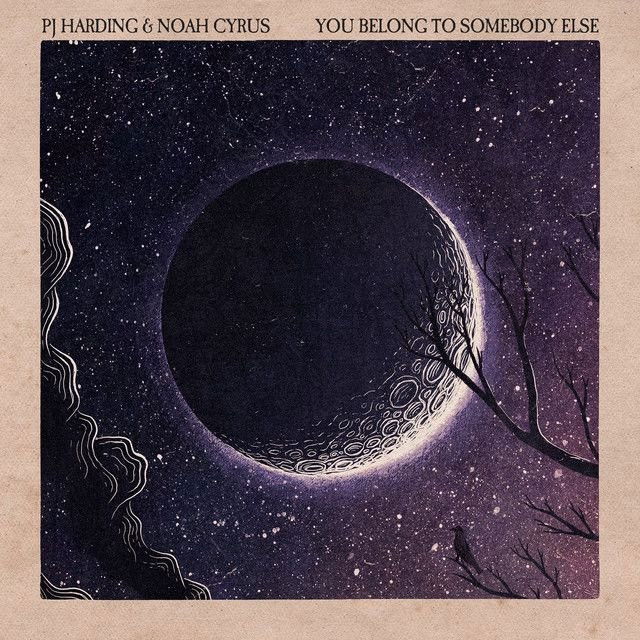
Why 'You Belong To Somebody Else' Hurts
The meaning of You Belong To Somebody Else PJ Harding, Noah Cyrus comes down to a painful kind of restraint. They sing about desire that feels real, mutual, and almost impossible to ignore, but one fact keeps cutting through the emotion: the person they want is already committed to someone else.
"You Belong To Somebody Else" - PJ Harding, Noah Cyrus
The way you wear that dress like it couldn't mean less to you
And there's no reason keeping secrets, maybe regret is a weakness
Loading lyrics...
Unable to load lyrics
We're unable to display the lyrics at this time. Please try again later.
That simple setup gives the song its force. It is not about winning love. It is about standing in the middle of temptation and knowing that acting on it would hurt people. The track was written by Noah Cyrus and PJ Harding, also known as Peter James Harding, a credit widely listed by music databases and streaming platforms. That shared writing matters because the song feels built as a duet of guilt, pull, and reluctant honesty.
A Love Song About the Line They Should Not Cross
At its core, the song is about emotional conflict. The narrator is not pretending the feeling is noble or harmless. They openly admit attraction, and they also admit that it is wrong. That is why the chorus lands so hard: you belong to somebody else
is not just a statement about relationship status. It is a moral boundary.
The phrase sweet hell
captures the song's central paradox. The connection feels beautiful, but the situation feels punishing. They are drawn toward this person while also understanding that the desire itself creates suffering.
Interpretation: The song is less about cheating in a literal, physical sense than about the moment before a bad decision. It lives in the space where fantasy, confession, and self-control all collide.

Watch the official You Belong To Somebody Else
music video
How the Verses Build Temptation and Guilt
The opening lines focus on private, intimate details. The narrator notices the other person's tears and the way they carry themselves. These details suggest closeness, not casual attraction. When they mention wanting to confess, the song moves from observation into emotional danger.
A key line is keeping secrets
. That phrase suggests the relationship between these two people has already crossed into emotional intimacy, even if nothing else has happened. They are sharing too much, or at least more than they should.
Then the song raises the stakes with religious and mythic language. The image of jealous gods
makes the feeling seem bigger than a crush. Desire becomes something ancient, punishing, and almost fated. This gives the song a dramatic edge without changing its basic story: two people feel something they should not act on.
The Chorus Says the Hard Truth Out Loud
The chorus works because it interrupts the romantic pull with blunt reality. After the verses drift into intimacy and confession, the hook returns to the fact that cannot be changed. They do not say the situation is complicated in vague terms. They say the one thing that matters most.
I didn't want to
but I couldn't help it
That short moment is important because it blends responsibility with helplessness. They are not claiming innocence, but they are showing how attraction can feel involuntary.
Interpretation: The chorus is really about self-correction. Each time the feeling rises, the narrator pulls themselves back to the truth.
A Story of Restraint, Not Possession
One of the strongest lines in the song is the idea that it is easier to delay one heart than to break another. That thought shows the narrator trying to choose the least harmful path. They would rather live with longing than become the cause of deeper damage.
This is why the song feels sad rather than scandalous. The speaker is not celebrating forbidden love. They are grieving its limits. Even the repeated ending, with variations on somebody else
, feels less like drama and more like emotional resignation.
There is also a subtle difference between wanting someone and claiming them. The title could sound possessive in another song, but here it means the opposite. It is an act of acceptance. They are recognizing that this person is not free, and that recognition hurts.
Why Noah Cyrus and PJ Harding Fit This Song So Well
Noah Cyrus has often worked in a space where country, pop, and indie-folk overlap, with songs that highlight bruised feelings and close-mic vulnerability. PJ Harding brings a similar sensitivity as a singer-songwriter. Their pairing makes sense because both artists work well with quiet, exposed emotion rather than flashy performance.
The production supports that mood. The arrangement is sparse, with a slow pace and lots of room around the vocals. Instead of pushing toward a huge dramatic payoff, the song lets silence and breath do some of the work. That makes the guilt feel more personal.
The blend of acoustic textures, soft percussion, and restrained harmonies helps the listener stay inside the conflict. Nothing about the sound suggests triumph. It sounds like two people sitting with a truth they wish were different.
The Most Important Symbols in the Song
A few recurring ideas shape the song's meaning:
- Secrets: emotional intimacy that may already be crossing a line
- Religion and gods: guilt, judgment, and fate
- Sweetness and hell: pleasure mixed with pain
- Waiting versus breaking: choosing restraint over damage
These motifs keep the song from becoming just a simple triangle narrative. They frame desire as both deeply human and spiritually heavy.
Final Meaning: Wanting Is Not the Same as Taking
The meaning of You Belong To Somebody Else PJ Harding, Noah Cyrus is that love or desire can be real without being right to pursue. The song honors the intensity of the feeling, but it does not confuse intensity with permission.
That is what makes it resonate. Many songs about forbidden love lean into fantasy. This one leans into consequence. It understands that sometimes the most honest thing a person can do is admit the feeling, name the boundary, and stop there.
Disclaimer: This interpretation is based on the released lyrics, performance, and publicly available song credits. As with any song, listeners may hear different meanings in it.







