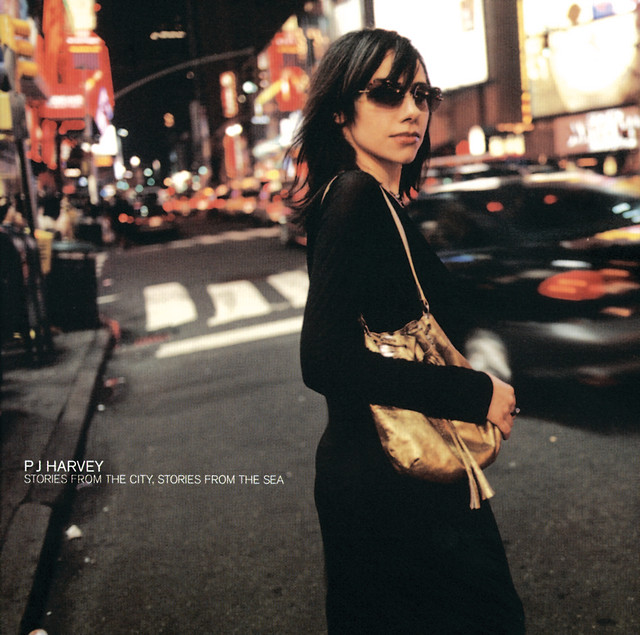
Good Fortune by PJ Harvey
The meaning of Good Fortune PJ Harvey comes down to a simple but powerful change: love makes life feel possible again. In this song, PJ Harvey writes about throwing away old disappointment and stepping into a brighter state of mind. It is romantic, but it is also about renewal.
"Good Fortune" - PJ Harvey
Off the top of
A tall building
Loading lyrics...
Unable to load lyrics
We're unable to display the lyrics at this time. Please try again later.
Released as the lead single from Stories from the City, Stories from the Sea in 2000, the track marked a more open, melodic phase in Harvey's work. It was written by Polly Jean Harvey and produced by PJ Harvey, Mick Harvey, and Rob Ellis. The song appeared on Harvey's fifth studio album and drew attention for its punchy rock-pop sound and city-lit energy.
A Love Song That Feels Like Escape
On the surface, the song tells the story of someone falling deeply in love. The opening image of casting off bad luck suggests a deliberate break with the past. When the narrator says bad fortune
is gone, the song presents love not as a small mood boost, but as a force that changes how they see everything.
That emotional turn is the key to the song. The verses move through memories of specific moments, while the chorus turns those memories into a bigger feeling of release. Interpretation: the romance matters because it restores trust in life itself, not just in another person.

Watch the official Good Fortune
music video
City Streets, Morning Light, Real-Life Intimacy
One reason the song feels vivid is its urban detail. References to Chinatown and Little Italy ground the relationship in real places. Those settings connect well with the album's city-centered frame; Harvey had lived in New York before recording the album, and critics often noted how strongly the record reflects that atmosphere.
These details are not just decorative. A line like five in the morning
suggests that this love exists in the after-hours world of long conversations, tired honesty, and the strange clarity that comes when the night is almost over. The song makes romance feel discovered in motion, not arranged in advance.
The Chorus Turns Luck Into a State of Mind
The chorus is where the song's meaning becomes clearest. Harvey compares the feeling of love to becoming a bird of paradise
, an image of color, freedom, and almost unreal beauty. Then she pairs that freedom with the innocence of a child
, which gives the chorus a second layer.
This is not naive happiness. It is more like recovered openness. Interpretation: the narrator has not forgotten pain; they have moved through it and found a cleaner, lighter way to feel. That is why the repeated claim that everybody has something good to say feels so striking. The world itself seems to have changed because the narrator has changed.
And I feel like
some bird of paradise
my bad fortune slipping away
That short passage captures the song's emotional engine: release, uplift, and amazement that such a shift could happen at all.
Memory, Reflection, and Transformation
The verses keep returning to moments that seem ordinary until love alters them. Walking through neighborhoods, talking about impossible ideas, and watching another person move through the world all become meaningful. When the narrator sees a reflection come off the other person's face, the image suggests identity itself is being reshaped.
That idea matters in the meaning of Good Fortune PJ Harvey because the song is not only saying, "I met someone wonderful." It is saying, "Because of this person, I became able to imagine a different self." Even the line about painting pictures to remember points to that effort. Language is not enough, so memory must become art.
Why the Sound Feels So Bright
The production helps sell this transformation. According to album and single credits summarized by Wikipedia, the track was recorded during the Stories from the City, Stories from the Sea sessions, with some parts first captured by Harvey on 4-track cassette in New York City and Dorset. The finished version runs on a tight rock structure with drums, organ, bass, and guitar creating steady forward motion.
That motion matters. The repetitive verse pattern gives the song a driving feel, while the chorus opens upward. This matches the lyric idea of moving from heaviness to release. Songfacts also cites Harvey telling Q that she wanted the album to sound "beautiful," full of reverb and lush melody, which fits the song's glowing surface. At the same time, Songfacts notes Harvey later told Mojo she had been trying to write "perfect pop songs," even if pop was not her deepest home.
That tension is part of what makes "Good Fortune" interesting. It is polished, but not empty. The brightness sounds earned.
A Restless Ending, Not a Fairy Tale
Near the end, the song shifts from gratitude to fantasy. The narrator imagines leaving with this person, becoming outlaws or drifters. The final repeated idea of being on the run again
gives the romance a restless edge.
Interpretation: this could mean love has not solved everything. Instead, it has made life feel urgent and alive again. The dream is not domestic safety; it is movement, adventure, and chosen escape. That keeps the song from becoming too sweet. Even in joy, Harvey leaves room for danger.
Why "Good Fortune" Still Connects
The song endures because it captures a feeling many listeners recognize: the shock of discovering that life can suddenly seem kinder than it did the day before. Critics at the time responded well, and the single reached No. 41 on the UK Singles Chart. Reviews often highlighted its more accessible sound while still hearing Harvey's intensity underneath.
In the end, the meaning of Good Fortune PJ Harvey is about love as a catalyst. It changes mood, memory, and identity all at once. The song celebrates romance, but more than that, it celebrates the rare moment when despair loosens its grip and the world starts glowing again.
Disclaimer: This interpretation is based on the lyrics, recording context, and public commentary, but song meanings can remain open to each listener's experience.







