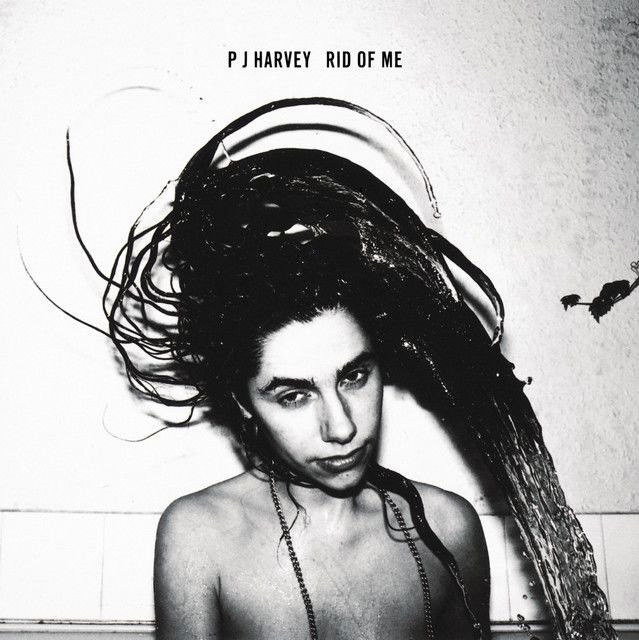
Rid Of Me by PJ Harvey
When Love Turns Claustrophobic
The meaning of Rid Of Me PJ Harvey starts with a simple but frightening idea: love can become a struggle for power. This is not a breakup ballad in the usual sense. Instead of calm sadness, PJ Harvey gives listeners obsession, humiliation, anger, and fear all at once.
"Rid Of Me" - PJ Harvey
No one else, no
You're not rid of me, mmm
Loading lyrics...
Unable to load lyrics
We're unable to display the lyrics at this time. Please try again later.
Released on the 1993 album Rid of Me, the song came during a hard period in Harvey’s life. Reports around the album note exhaustion, heavy touring, and the end of a relationship. Harvey later said in The Guardian that she wrote the song when she was “almost psychotic,” but she also warned people not to read every lyric as direct diary truth.
That matters. The song feels personal, yet it also works as a performance of extreme emotion.
Watch the official Rid Of Me
music video
A Voice Caught Between Begging and Threatening
What makes the track so unsettling is how quickly the speaker changes shape. One moment they sound desperate, almost childlike, begging not to be abandoned. The next, they sound controlling and violent.
The refrain you're not rid of me
is the key. On the surface, it sounds like refusal. Underneath, it carries panic. The speaker cannot accept being left behind, so they turn pain into possession.
That is why the opening idea of binding two people together feels so disturbing. A line like tie yourself to me
does not sound romantic here. It sounds like love imagined as captivity.
The emotional swing at the center
The song keeps moving between two states:
- fear of being abandoned
- hunger to punish the one leaving
That swing is the real drama. The speaker does not only want closeness. They want control over the person who might leave them.
How the Lyrics Build Obsession
Harvey’s writing is blunt, physical, and hard to ignore. She does not explain feelings in neat, reflective language. Instead, she uses body imagery, commands, and threats.
When the speaker says Don't leave me, I'm hurting
, the song reveals its most naked emotion. Beneath all the menace is pain. But Harvey never lets that pain stay pure or innocent. It curdles almost immediately.
Soon, the body becomes a battlefield. Phrases like lick my injuries
suggest a relationship built on damage, shame, and need. Even tenderness is twisted into something raw and uncomfortable.
Don't leave me, I'm hurting
I've been lonely
Above everything
This short passage shows the emotional core of the song. For a brief moment, the speaker sounds less like a monster and more like someone stripped bare by loneliness.
Then the song turns again. The shocking line twist your head off
is not best taken literally. Interpretation: it reads as a revenge fantasy, the kind of violent thought that flashes through a mind in rage. In this song, love and destruction are never far apart.
The Sound Is Part of the Story
The music explains as much as the lyrics do. Harvey recorded the album with Steve Albini at Pachyderm Studios in Minnesota in late 1992, and much of the album was captured live in the room. Harvey praised how his methods made drums sound real and physical, as if the listener were standing in front of them.
That rawness is crucial to the song’s meaning. The quiet opening feels intimate, almost too close. Harvey’s voice can sound like a whisper in someone’s ear. Then the band crashes in, and the track becomes huge, abrasive, and almost violent.
Those loud-soft shifts mirror the speaker’s inner state:
- closeness becomes pressure
- pressure becomes panic
- panic becomes aggression
The guitar tone is scratchy and unstable. The drums hit with a blunt, room-filling thud. Nothing feels polished. That lack of polish helps the song feel dangerous, like emotion happening in real time instead of being carefully packaged.
Artist Context Changes the Reading
The title track sits near the start of Harvey’s second album, released on April 26, 1993. It arrived only a year after Dry, but critics quickly noticed that this record was harsher, stranger, and more aggressive. Over time, the album became one of the most celebrated rock records of the 1990s, even landing at No. 153 on Rolling Stone’s 2020 list of the 500 greatest albums.
Harvey also pushed back against neat labels. Some critics read the album as strongly feminist, but Harvey said she wrote about relationships and human behavior, not with gender at the front of her mind. That does not erase feminist readings. It just means the song should stay open.
Interpretation: one reason “Rid of Me” feels so powerful is that it gives a woman in rock a voice that is not tidy, likable, or safe. It refuses sweetness. But the song is bigger than one message. It is about what people can become when love turns into possession.
Why the Song Still Hits So Hard
The meaning of Rid Of Me PJ Harvey lasts because the song never settles into one emotion. It is needy, cruel, lonely, erotic, and frightening all at once. Many breakup songs choose one lane. This one shows the whole wreck.
It also captures a truth people do not always admit: rejection can make a person feel small, wild, and ashamed at the same time. Harvey does not clean that feeling up. They turn it into sound.
Final takeaway
“Rid of Me” is about attachment pushed past love into obsession. Its lyrics show a speaker who cannot bear separation, and its explosive arrangement turns that fear into something physical and unforgettable.
Disclaimer: This interpretation is based on the lyrics, recording context, and public comments from PJ Harvey and critics. Song meaning can remain open, and different listeners may hear it differently.








