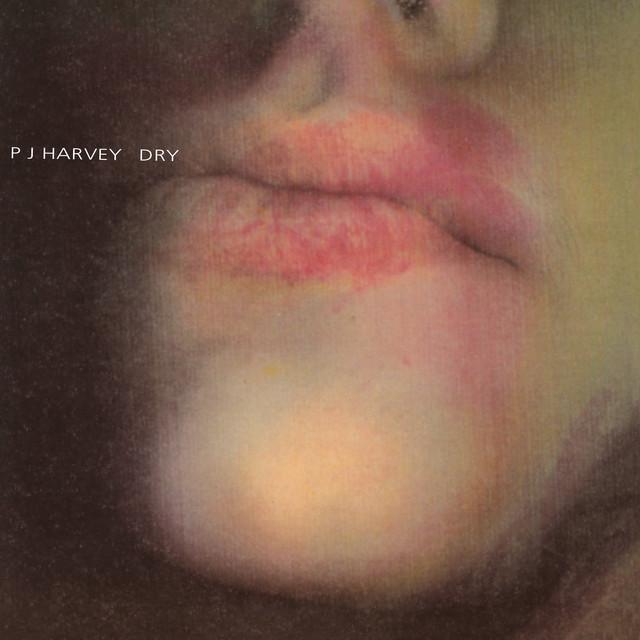
Sheela-na-gig by PJ Harvey
Why This Song Still Feels So Confrontational
The meaning of Sheela-na-gig PJ Harvey comes from a clash: female self-display meets male fear. The song is not shy, and that is exactly the point. It stages a tense moment where a woman presents herself with force and humor, only to be judged by a man who seems threatened by what he sees.
"Sheela-na-gig" - PJ Harvey
Look at these, my child-bearing hips
Look at these, my ruby red ruby lips
Loading lyrics...
Unable to load lyrics
We're unable to display the lyrics at this time. Please try again later.
Released in 1992 as a single from Dry, the track became one of PJ Harvey’s biggest early U.S. alternative hits, reaching No. 9 on Billboard’s Modern Rock chart. That context matters. Early Harvey arrived with a sound that was lean, abrasive, and impossible to soften into something polite.

Watch the official Sheela-na-gig
music video
The Core Idea Beneath the Shock
Factually, the title points to ancient carvings in Britain and Ireland of nude female figures displaying exaggerated genitalia. Harvey said in a 1992 interview with Melody Maker that she used the image as a starting point and described the song as a set of moments between lovers, with anger but also humor.
Interpretation: The song turns that image into a larger drama about who gets to define female sexuality. The speaker lists features that suggest fertility, beauty, labor, and charisma. She is not begging to be seen. She is insisting on being seen clearly.
Then the response comes back as accusation. The repeated label you exhibitionist
says more about the man than the woman. He cannot face female confidence without trying to shame it.
A Narrator Who Refuses to Shrink
One of the smartest things in the lyric is how direct the self-description is. Phrases like child-bearing hips
and work strong arms
mix sensuality with strength. This is not a fragile fantasy figure. It is a whole person: sexual, practical, alive.
That matters because the rejection that follows is not only romantic. It is ideological. The man seems to want desire without the reality of a woman who owns it.
wash your breastsdirty pillows
Those lines turn attraction into disgust and reveal how shame works. The second phrase nods to Stephen King’s Carrie, where a religious mother treats the female body as dirty and dangerous. Harvey borrows that language to show how quickly desire can become punishment.
How the Song Moves From Offer to Recoil
The song unfolds in a few sharp beats:
- The speaker offers herself openly and almost theatrically.
- The man answers with contempt and fear.
- The chorus mocks that reaction by repeating the insult.
- The speaker decides to move on rather than accept that judgment.
The borrowed phrase wash that man
adds bitter comedy. Harvey said she liked its humorous feel, and that humor is important. The song is angry, but it is also laughing at a weak, predictable script. Men appear around every corner, yet many seem to repeat the same frightened response.
The Chorus as a Weapon
The hook works because it sounds like a taunt and a diagnosis at once. By repeating Sheela-na-gig
, the song turns a loaded image into a badge, even if only for a moment. The insult is thrown at the woman, but the repetition strips it of some of its power.
Interpretation: The chorus may be heard as the speaker throwing the accusation back in the man’s face. If he sees her as too much, too visible, too sexual, that says he is limited by his own fear.
This is why the song remains so striking. It does not ask for approval. It exposes the terms on which approval is often offered.
Raw Sound, Clear Meaning
Musically, “Sheela-Na-Gig” is built with blunt efficiency. According to details summarized in the song’s recording history, the track was recorded in late 1991 at The Icehouse in Yeovil and produced by PJ Harvey, Rob Ellis, and Head. Its structure is simple, driven by a primitive riff and power-chord attack.
That stripped-down design sharpens the meaning. The guitar does not decorate the lyric; it corners it. The verses feel tight and needling, while the louder sections hit like a public argument. Harvey’s vocal delivery also matters. She can sound mocking, wounded, and furious within seconds.
Critics noticed that tension right away. NME praised its tale of male weakness in the face of female strength, while later writers often highlighted the song’s mix of catharsis and cruelty. The reception helps explain why this early single became such a landmark in Harvey’s catalog.
More Than One Meaning at Once
Harvey said the song had “several sides,” and that is the best way to hear it. One reading is social: the song exposes how women are punished for sexual openness. Another is personal: it captures a relationship pattern where desire curdles into insult.
A third reading is artistic. The song may also be about performance itself. What does it mean to be seen on stage, in public, in a magazine, in a relationship? When does visibility become power, and when does the audience call it indecency?
The Lasting Takeaway
The meaning of Sheela-na-gig PJ Harvey lies in its refusal to separate sex from power, humor from pain, or attraction from judgment. It shows a woman presenting herself boldly and then reveals how badly some men handle that honesty.
That is why the song still feels alive. It is messy, funny, hostile, and smart all at once.
Disclaimer: This interpretation mixes documented facts about the song with critical reading. Like many PJ Harvey songs, its meaning stays open to more than one valid interpretation.







